
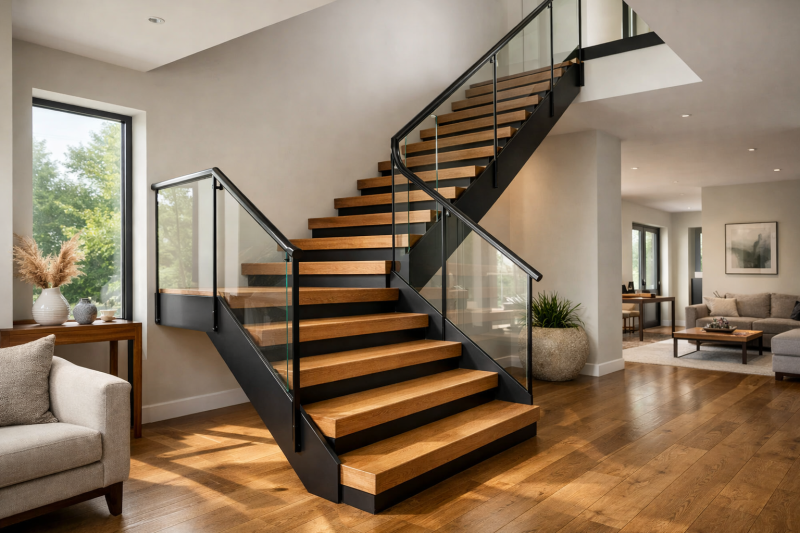
This article examines how the selection of materials for home staircases can affect both visual appeal and practicality. It outlines key considerations such as resilience, design coherence, and maintenance for homeowners choosing between timber, metal, glass, and other options.
Assessing how various materials perform in a high-traffic home can prevent disappointment later. Prioritising factors like strength, ease of maintenance, and cohesion with existing decor informs better decisions.
Staircase Balustrades can dramatically influence perceptions of space, drawing attention while creating a sense of flow. By understanding the key features of each material, you increase the likelihood of ending up with a staircase that matches not just your style, but the practical needs of daily life.
Selecting Structural Materials With Long-term Resilience
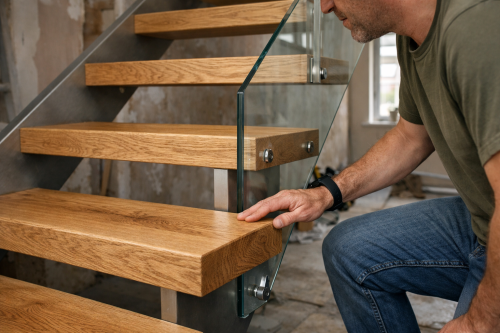
When evaluating which materials to use for staircases, your priorities should include how well each material withstands daily wear and tear. Timber is a time-tested favourite, valued for its warmth and ability to cope with changes in temperature and humidity.
It introduces organic appeal and works well with diverse interior schemes, but it does require regular maintenance if you want to reduce the risk of warping and fading.
Metal presents a modern look and can hold up well under pressure, resisting dents and scratches from heavy use. While glass embodies a contemporary approach to design and can provide a sense of openness, it does demand consistent cleaning due to its susceptibility to smudges and fingerprints.
Another aspect to consider is how chosen materials can influence stairway acoustics and overall comfort. Timber can help to limit the echo of footfalls, creating a quieter atmosphere, whereas stone or tile can produce a sharper sound with every step.
Materials like metal, while durable, may become slippery or cold in certain environments, so factoring in location and everyday use helps you assess suitability.
Your material choice should also match the expected foot traffic volume, as busier spaces may benefit from more robust options. Ensuring that the selected structure aligns with relevant building requirements can also help avoid unexpected expense and inconvenience in the future.
Visual Coherence and Design Flexibility in Modern Interiors
Harmonising a staircase with existing flooring, wall coverings, and furnishings contributes to a seamless transition between levels. Timber offers versatility, allowing a range of stains and finishes to integrate with colour palettes spanning traditional to contemporary.
Steel components can introduce striking geometries and crisp lines, making transitions appear lighter and more dynamic. Glass balustrades, popular for their understated strength, can lend a floating appearance and boost light flow without dominating adjacent designs.
Materials that contrast with surrounding layouts can become focal features if balanced correctly, but stark contrasts may date faster than neutral options. For cohesive results, complementary textures and subtle material combinations can link your staircase to other home interior features without fuss.
Sleek finishes on metals or tempered glass often work well in open-plan settings, enhancing a sense of spaciousness. As you narrow down material options, envision the staircase’s impact on neighbouring rooms and corridors, taking into account how changing perspectives can influence the perception of materials and structure.
Hybrid Material Designs and Building Standard Compliance
Combining contrasting materials—such as pairing organic timber treads with frameless glass panels and powder-coated steel handrails—has become a cornerstone of contemporary residential architecture. A hybrid approach allows homeowners to enjoy the tactile warmth of wood underfoot while maintaining the light-maximizing benefits of transparent balustrades
When designing a multi-material staircase, visual appeal must be balanced against structural building regulations to ensure long-term safety and code compliance:
- Infill and Gap Restrictions: Standard residential safety codes require that balustrade infills do not allow a 100mm sphere to pass through any gap, preventing children or pets from slipping through openings.
- Balustrade Height Requirements: Handrails and protective barriers must maintain a minimum height of 900mm on staircase flights and 1,100mm along open landings or mezzanine levels.
- Safety Glass Ratings: When using glass balustrades, specify 10mm to 15mm toughened or laminated safety glass capable of withstanding line-load lateral force requirements without flexing.
- Handrail Grip and Continuity: Minimalist glass panel or metal post systems must still feature a continuous, easily grabbable handrail to satisfy physical accessibility and safety guidelines.
Practical Care and Safety Considerations for Families
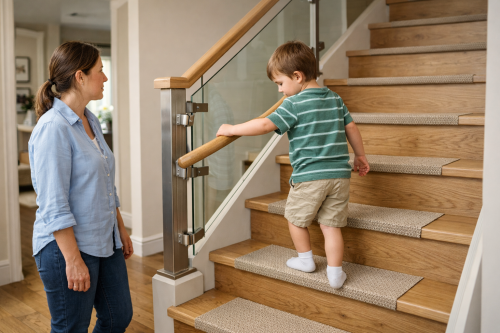
Durability and safety take centre stage if your household includes children, older adults, or pets. Timber must be inspected regularly for splinters or warping, as irregularities can pose tripping hazards.
Metal and glass can be easier to clean, making them practical for busy homes, though glass edges should be safely treated and supports must be robust enough to bear accidental knocks. Non-slip treatments are available for many materials, allowing you to maintain both safety and appearance over extended periods.
Maintenance needs differ, so understand that polished surfaces may highlight dust or streaks, while matte and textured options can disguise minor imperfections. Also, consider how finishes react to strong cleaning agents or repeated contact with moisture, particularly in staircases near entryways or kitchens.
Select fixtures and fittings that complement, rather than detract from, the strength and stability of chosen materials. Every design decision should enhance both usability and the overall visual narrative running throughout your home.