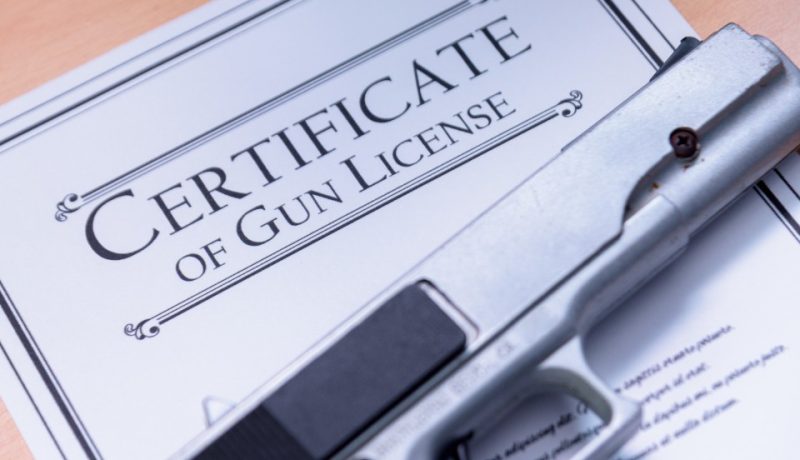
In the United Kingdom, firearm ownership is subject to some of the strictest regulations in the world. Whether your interest lies in sport shooting, pest control, or collecting, a proper understanding of licensing is essential.
Getting a gun license is not just about filling out forms; it’s a serious commitment to public safety and legal compliance. With the right guidance and preparation, navigating the process can be straightforward.
This guide will provide you with all the detailed steps, requirements, and practical advice you need to successfully apply for and maintain a firearm or shotgun certificate in the UK.
Why You Need a Gun License in the UK?
In the UK, the law strictly controls who can own, use, or acquire a firearm. Holding a valid firearm or shotgun certificate is not merely a formality, it is a legal necessity that plays a crucial role in protecting public safety.
Without such a license, possessing a firearm is a criminal offence that can lead to severe penalties, including hefty fines and imprisonment.
The reasons for obtaining a gun license vary. Some individuals require it for professional purposes, such as farmers controlling pests, while others seek it for sporting activities like clay pigeon shooting or deer stalking.
Collectors may also need a license for owning historic or rare firearms. Regardless of the purpose, the licensing system ensures that only those who demonstrate responsibility, trustworthiness, and a legitimate need are granted access to firearms.
This careful regulation preserves the delicate balance between individual rights and public security, a principle the UK takes very seriously.
What Are the Types of Firearm Licenses Available in the UK?
In the UK, the type of license you need depends entirely on the kind of firearm you wish to own and the intended use. There are two main types:
Firearm Certificate (FAC)
This is required for rifles, higher-powered air rifles (exceeding 12 ft-lbs of muzzle energy), and other specific firearms. Applicants must justify the need for each firearm listed, and strict conditions apply regarding the storage and use of these weapons.
Shotgun Certificate (SGC)
Issued for smoothbore shotguns, typically used in sports shooting or pest control. The requirements are slightly less demanding compared to a firearm certificate, although secure storage and safe handling are still mandatory.
Additionally, Visitor’s Permits are available for non-UK residents wishing to engage in shooting sports during a visit.
| Type | Characteristics | Certificate Required |
| Firearm | Rifled barrel, fires ammunition | Firearm Certificate (FAC) |
| Shotgun | Smooth bore, fires cartridges | Shotgun Certificate (SGC) |
| Multi-shot Shotgun | Holds more than three cartridges | Firearm Certificate (FAC) |
| Air Rifle | Energy exceeding 12 ft-lbs | Firearm Certificate (FAC) |
Understanding these distinctions is crucial, as applying for the wrong certificate can delay your application and complicate your shooting plans.
What Guns Are Banned in the UK?
Certain types of firearms are completely prohibited under UK law due to their potential risk to public safety. Even licensed owners cannot possess the following:
- Handguns (banned after the Dunblane tragedy in 1996)
- Fully automatic weapons
- Semi-automatic rifles (centre-fire)
- Pump-action shotguns capable of holding more than two cartridges without a firearm certificate
- Short-barrelled rifles (under 30cm in barrel length)
Possessing these prohibited weapons without special Home Office authority is a criminal offence. This strict control reflects the UK’s commitment to reducing gun crime and promoting community safety.
How to Get a Gun License in the UK?
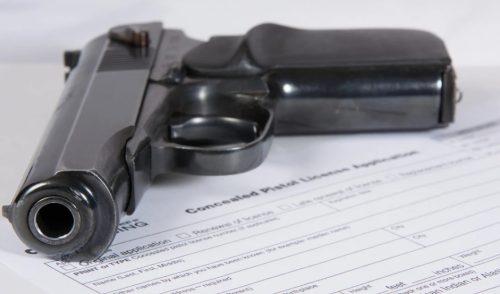
Legal Requirements for Obtaining a Firearm Certificate
Before applying, applicants must meet stringent legal requirements to ensure that they pose no threat to public safety:
- Minimum Age: Applicants must be at least 14 to apply but cannot purchase ammunition or firearms until they turn 18.
- Justifiable Need: A clear, lawful reason is required, such as sporting activities, vermin control, or historical collecting.
- Fitness and Safety: Applicants must prove they are responsible, law-abiding, and have safe storage for firearms.
Real-life example: A farmer applying to control rabbits on their land must demonstrate land ownership or permission from the landowner.
What Documents and Evidence Are Needed for a Gun License Application?
Submitting accurate and comprehensive documentation is critical for success:
- Completed Application Form: Available from your local police firearms licensing unit.
- Passport Photograph: Colour, recent, and standard UK passport size.
- Referees: Two for a firearm certificate, one for a shotgun certificate, known personally for at least two years.
- Medical Declaration: Confirmation from your GP about your mental and physical health.
- Application Fee: Payment must accompany the application form.
These documents help the police conduct background checks and assess your suitability thoroughly.
Eligibility Criteria for Firearm Ownership in the UK
Eligibility checks are rigorous and focus on several areas:
- Criminal Record: A prison sentence of three years or more results in a permanent ban from firearm ownership.
- Health and Mental Stability: Any history of serious mental health issues can disqualify an applicant.
- Character Assessment: Referees provide insight into the applicant’s trustworthiness, responsibility, and suitability.
Each applicant’s life circumstances are evaluated individually, ensuring that firearms are only held by those deemed safe.
Step-by-Step Process for Applying for a Gun License
Applying for a gun license involves a detailed process, and each step is crucial to ensure you meet the legal and safety standards required for responsible ownership. Here’s a step-by-step guide to help you navigate the application journey:
Step 1: Obtain and carefully complete the correct application form with all necessary details.
Step 2: Submit your passport-sized photo, payment, and two referee details as required for the application.
Step 3: Undergo a thorough police background check and provide health verification to ensure eligibility.
Step 4: Prepare for a home visit by the Firearms Enquiry Officer (FEO) to assess your suitability.
Step 5: Receive approval, refusal, or a request for additional supporting information from the police.
Step 6: Respond promptly to any police queries or requests to avoid unnecessary delays in processing your application.
The process can take time, so patience and full cooperation are essential to avoid any issues. Stay diligent and ensure all required steps are followed to improve your chances of a successful application.
How Much Does It Cost to Get a Gun License in the UK?

The cost of obtaining a firearm or shotgun license in the UK is relatively modest compared to the significant responsibilities that come with it.
The fee for a shotgun certificate grant is £79.50, while a firearm certificate grant costs £88. When it comes to renewals, the costs are slightly lower: £49 for a shotgun certificate and £62 for a firearm certificate.
If you require both types of licenses, you can opt for a combined (co-terminous) certificate, which costs £90 for a grant and £65 for a renewal.
Keep in mind that these costs may vary slightly depending on your local police force, so it’s a good idea to check their website for the most up-to-date rates.
| License Type | Grant Fee | Renewal Fee |
| Shotgun Certificate | £79.50 | £49 |
| Firearm Certificate | £88 | £62 |
| Combined Certificate | £90 | £65 |
It’s important to factor in these costs when applying for a gun license, as they are part of your ongoing commitment to responsible firearm ownership. Always check with your local police force for the most accurate and current fee information.
How Long Does the Firearms Licensing Process Take in the UK?
The time required to process an application can range widely depending on several factors. Some applicants might receive their certificate within six weeks, while others might wait up to four months or longer.
Factors affecting processing time include:
- The applicant’s criminal or medical history
- The current workload of the licensing team
- Any complexities in your application (such as previous mental health treatments)
Pro Tip: Start your application well ahead of time, especially if you require your certificate for an upcoming event or shooting season.
What Happens After You Receive Your Gun License?
Receiving your gun license is not the end of the journey, it marks the beginning of a serious and lifelong responsibility. Proper firearm ownership requires continuous attention to safety, security, and legal compliance.
Essential Steps After Receiving Your Gun License:
- Secure Storage: Store all firearms in BS 7558-certified cabinets, securely anchored and hidden from plain view.
- Certificate Conditions: Follow every condition outlined in your license carefully, without any exceptions.
- Police Inspection: Be ready for random police inspections to verify the safe storage of your firearms.
- Transport Rules: Always transport firearms unloaded, locked in cases, and store ammunition separately whenever possible.
Maintaining your gun license demands vigilance and a strict commitment to all legal requirements. Responsible ownership protects not just your rights, but also the safety of those around you.
What Are the Common Reasons for Firearm License Refusals or Revocations?
The police may refuse or revoke a firearm license if concerns arise regarding public safety or the suitability of the applicant.
The licensing process involves thorough checks to ensure that only responsible individuals are granted the privilege of owning a firearm.
Common Reasons for Firearm License Refusals or Revocations
- Criminal Offences: Past convictions for violent crimes, drug-related offenses, or firearms violations are major disqualifiers.
- Mental Health Concerns: Ongoing or recent mental health issues, especially those affecting judgment or safety, may lead to refusal or revocation.
- Security Failures: Firearm storage that doesn’t meet legal standards or is found inadequate during inspections could result in license revocation.
- Dishonesty: Providing false or misleading information on the application form is grounds for rejection.
If your application is refused or your license revoked, you can appeal the decision in Crown Court. However, success in the appeal process is not guaranteed unless compelling evidence is provided to support your case.
Conclusion
Acquiring a gun license in the UK is a serious and highly regulated process designed to protect individuals and the wider public.
While the journey from application to certification can seem daunting, it is entirely manageable with the right preparation and understanding.
By staying informed, being transparent during your application, and maintaining excellent firearm security, you can enjoy the privilege of firearm ownership legally and responsibly.
Always remember that owning a firearm is not just a right but a duty to uphold the highest standards of safety and legality in all circumstances.
FAQs About Getting a Gun License in UK
Can you own a firearm for self-defence purposes in the UK?
In the UK, firearms are not granted for personal self-defence purposes. Licenses are typically issued for sporting, work-related, or pest control activities.
How often must you renew a firearms or shotgun certificate?
Both firearm and shotgun certificates must be renewed every five years. Renewal applications should be submitted several months before expiration.
What happens if you move house after receiving a gun license?
If you move, you must immediately notify your local police firearms licensing department. They may arrange a home inspection to verify your new storage.
Do you need insurance when applying for a firearm certificate in the UK?
Insurance is not legally required when applying for a firearm certificate. However, many shooting clubs recommend having public liability insurance for protection.
What type of background checks are carried out for gun licensing?
Background checks include criminal record checks, mental health assessments, and verification of referee credibility. Your GP may also be consulted for medical history.
Can visitors to the UK apply for a temporary firearm license?
Yes, visitors can apply for a temporary visitor’s firearm permit. This allows temporary possession of a firearm during activities like hunting or sport shooting.
What should you do if your firearm license application is refused?
You have the right to appeal the decision in a Crown Court. It is recommended to seek legal advice immediately to assist with the appeal process.