
The maritime industry plays a vital role in the global economy, supporting international trade, transportation and countless industrial operations. However, running a vessel or maintaining a maritime business comes with significant costs. One of the biggest investments is the propulsion system. For companies looking to manage their budgets without compromising on performance, purchasing pre-owned marine equipment is becoming an increasingly attractive option.
Reducing Costs Without Compromising on Quality
For many shipping companies, boat operators and marine businesses, purchasing a brand-new diesel engine represents a substantial financial commitment. Depending on the size and specifications required, the investment can put considerable pressure on operational budgets.
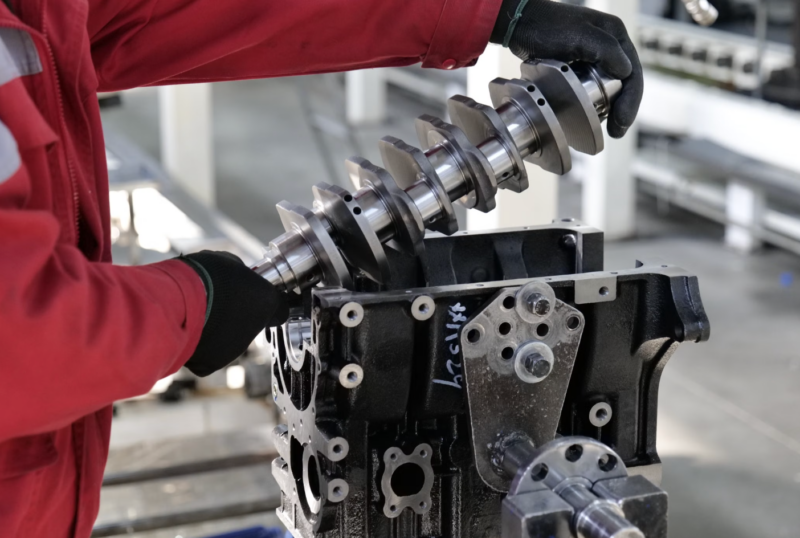
Choosing a second-hand engine offers a more cost-effective alternative. Quality pre-owned engines can provide reliable performance at a fraction of the price of a new unit. This allows businesses to allocate their financial resources to other important areas, such as maintenance, crew training, fuel efficiency and fleet expansion.
However, the key is finding equipment that has been properly inspected and assessed. Buyers should always consider the engine’s operating hours, maintenance history, technical specifications and overall condition before making a purchase.
The Importance of Choosing the Right Marine Engine
Not every diesel engine is suitable for every vessel. Marine propulsion systems must meet specific technical requirements, taking into account factors such as engine power, dimensions, cooling systems and compatibility with existing transmissions.
Businesses searching for used marine diesel engines should therefore work with suppliers who understand the technical demands of the maritime sector.
An experienced supplier can help buyers identify suitable engines from established manufacturers and provide practical advice throughout the purchasing process. This expertise can make a significant difference, particularly for companies operating specialist vessels or maintaining older fleets.
Sustainability Through Equipment Reuse
Sustainability is becoming an increasingly important consideration across the maritime industry. Although much attention is focused on alternative fuels and new technologies, extending the useful life of existing machinery also has an important role to play.
Manufacturing new industrial engines requires raw materials, energy and complex production processes. Purchasing and reusing a suitable second-hand engine can reduce the demand for newly manufactured equipment and help minimise unnecessary waste.
For maritime businesses, this approach offers an opportunity to combine responsible resource management with practical financial benefits. It is not a replacement for wider environmental improvements, but it represents a sensible step towards a more circular industrial economy.
Working with an Experienced Equipment Supplier
Finding the right engine involves more than comparing prices. Availability, technical knowledge, quality control and international logistics all influence the purchasing process.
Pool Trading, based in Sliedrecht in the Netherlands, is an established international wholesaler specialising in pre-owned diesel engines, generator sets, gearboxes and spare parts. Founded in 1994, the company has developed extensive experience in supplying equipment to both maritime and industrial customers.
With an international supplier network and an in-house workshop, Pool Trading helps customers identify suitable equipment and provides technical and practical support. Its experience with international shipping and export formalities can also be valuable for buyers operating outside the Netherlands.
Making Smarter Investment Decisions
As operating costs continue to influence business decisions across the maritime sector, purchasing pre-owned equipment deserves serious consideration. A carefully selected second-hand diesel engine can offer an attractive balance between affordability, availability and dependable performance.
For companies planning fleet upgrades, replacing ageing machinery or maintaining existing vessels, working with a knowledgeable supplier is an important first step.
Ultimately, smart equipment purchasing is about more than finding the lowest price. It is about securing the right machinery, at the right time and at a price that supports long-term business performance.