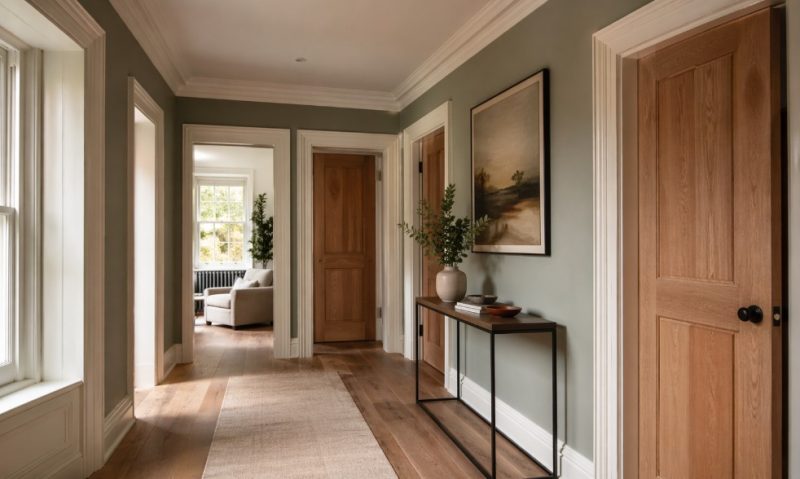
Architraves are one of those details many people see every day without knowing the name. They frame doorways, tidy up window edges and help a room look finished. In simple terms, an architrave is the trim that sits around a door, window or other opening.
It covers the joint between the wall and the frame, but it also adds shape, character and style to the room. Architraves are commonly used around internal and external doors, windows, built-in cupboards and even loft hatches.
For homeowners, renovators and interior design lovers, architraves do more than fill a gap. They improve the look of a space, protect exposed edges and help tie different design features together.
If you are planning a home update, replacing tired trim or choosing mouldings for a new room, it is worth understanding exactly what architraves do and why they matter.
What Is the Purpose of Architraves in Home for Design and Protection?
Architraves Create a Neat Finish Around Doors and Windows
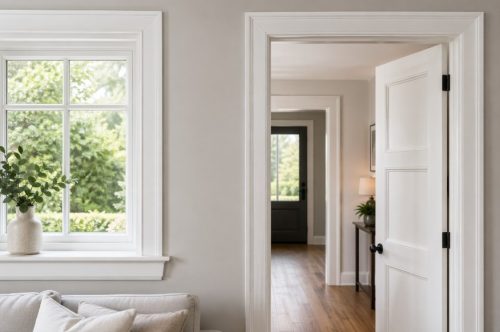
One of the main purposes of architraves is to give a clean, tidy finish to the edges around doors and windows. Where a door lining or window frame meets the plastered wall, there is often a visible join. Without trim, this area can look rough or unfinished. Architraves cover that join and create a much sharper result.
This practical role is one reason they have stayed popular for so long. They help smooth over small gaps, uneven edges and awkward transitions between surfaces. In older homes this was especially useful, as mouldings were often used to hide rougher plaster finishes at junctions around walls, floors and openings.
In modern homes, the finish is usually cleaner from the start, but architraves still serve the same purpose. They hide the less attractive construction lines and give the room a polished, complete appearance.
They Add Style and Character to a Room
Architraves are practical, but they also play a big part in interior style. The profile you choose can completely change the feel of a room. A simple square edge can suit modern homes. A stepped or chamfered profile can create a clean and understated look. More decorative shapes, such as ogee styles, suit traditional homes and period-inspired interiors.
This is why architraves are more than just trim. They help frame the room visually. They can make doors look more substantial, make windows stand out and create a stronger design theme across the home. When paired with matching skirting boards, wall panelling or dado rails, they bring a sense of consistency that makes the whole space feel better planned.
In many homes, it is the small details that make the biggest difference. Architraves are a good example of that. They are not the first feature people think about, but when they are chosen well, they lift the room.
Architraves Help Link Other Interior Mouldings Together
Another important purpose of architraves is to connect with other mouldings in the home. They work especially well alongside skirting boards, wall panelling and other trim details. Rather than each element feeling separate, the right architrave helps create a joined-up design.
For example, if a home has classic skirting boards and decorative wall panelling, a matching architrave can carry that style around the doors and windows. If the property has a more modern look, a simple, flatter architrave can keep everything clean and minimal. This is one reason architraves are often chosen as part of a wider interior scheme, not just as a practical extra.
From a design point of view, they also frame the space in a subtle but effective way. Painted woodwork, including architraves, helps define and shape the room visually.
They Protect Edges From Everyday Wear
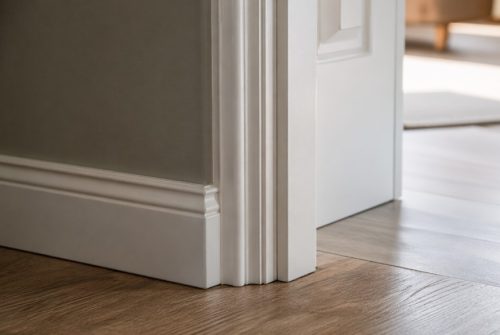
Homes get used. Doors are opened and closed all day. Bags knock into frames. Home furniture gets moved. Over time, exposed wall edges around openings can take a lot of wear. Architraves help protect these areas.
Because they sit over vulnerable edges and joints, they take some of the knocks that might otherwise damage the plaster or surrounding wall. This makes them useful not just in busy family homes, but also in hallways, landings and entrances where there is more daily traffic.
This protective role is easy to overlook because most people focus on appearance first. Still, it is one of the reasons architraves remain such a practical feature in both old and new homes.
Architraves Suit Both Traditional and Modern Interiors
Some people think architraves are only for period homes. That is not true. While ornate mouldings are often linked with Victorian, Edwardian or Georgian interiors, architraves also work well in modern spaces. It simply comes down to style.
Traditional homes often suit more detailed profiles with a decorative finish. Newer homes may look better with simpler lines and a more subtle appearance. There are even minimalist interiors that remove the look of trim altogether and use shadow gaps instead.
That said, many homeowners still prefer architraves because they add more warmth and definition to a room. Even in a simple space, they can stop openings from looking plain or unfinished.
If you are interested in the design side of interior architecture, architraves are a good example of how functional details can also improve the overall look of a home.
Choosing the Right Architrave for Your Home
When choosing architraves, it helps to think about three things: style, scale and finish. The profile should suit the rest of the room. The size should work with the height of the ceiling and the width of the skirting. The finish should tie in with doors, wall colours and any panelling or mouldings nearby.
In smaller rooms, oversized trim can feel heavy. In larger spaces, very narrow architraves may look lost. That is why proportions matter. A well-chosen architrave should feel like it belongs in the room rather than standing out for the wrong reasons.
Material matters too. MDF architraves are a popular choice because they offer a smooth finish, consistent quality and good value. They are also easy to paint, making them a practical option for many homeowners looking to upgrade tired woodwork.
For more general home renovation ideas, architraves often play an important role in tying together wider interior updates.
Why Architraves Are Worth Including in Your Home?
The purpose of architraves in a home is simple, but important. They cover gaps, protect edges, frame openings and improve the overall look of a space. They may seem like a small detail, yet they have a big effect on how finished and well-designed a room feels.
Whether you are updating one room or working on a full property renovation, architraves are worth getting right. The right profile can add style. The right size can improve proportion. The right finish can tie the whole room together.
In the end, architraves are both practical and decorative. They help a home look cleaner, smarter and more complete. That is exactly why they have remained such an important feature in interior design for so long.