Are you considering becoming a self-employed cleaner in the UK or curious about what others are earning in 2025? With domestic services more in demand than ever, understanding cleaner hourly rates can help you charge competitively or choose the right cleaner for your home.
From routine domestic tasks to deep cleans and end-of-tenancy services, rates vary widely depending on the location, experience, and specialisation.
In this guide, you’ll discover how much cleaners are charging, what affects those rates, and what to expect in today’s market, so you can make smarter decisions.
What Does a Typical Self-employed Cleaner Do in the UK?
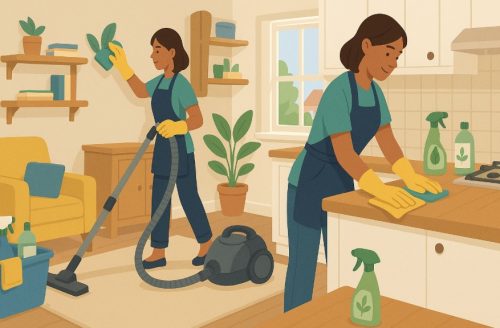
A self-employed cleaner in the UK handles a wide range of domestic cleaning responsibilities. These professionals offer flexible, often customisable services that can include anything from basic weekly cleaning to one-off deep cleans. Most operate independently, managing their schedules, client relationships, and earnings.
Common tasks include:
- Vacuuming and mopping floors
- Dusting furniture and surfaces
- Cleaning bathrooms and kitchens
- Emptying bins and managing recycling
- Polishing mirrors and windows (if requested)
- Laundry or ironing (optional services)
- Using eco-friendly products if clients prefer
In addition to physical work, self-employed cleaners also run their own admin, responding to bookings, sending invoices, tracking mileage, and filing self-assessment tax returns.
Many also source their own supplies and manage their own transport. The flexibility to define what services to offer, who to work for, and what to charge makes this path attractive to many.
While some cleaners focus solely on domestic work, others branch into niches like end-of-tenancy cleans or post-renovation cleaning, where hourly rates are higher. These tasks are more intense but allow cleaners to specialise and stand out in a competitive market.
Why Are More People Becoming Self-employed Domestic Cleaners?
In 2025, the number of self-employed domestic cleaners in the UK is steadily rising, and it’s no surprise why. This trend is fuelled by a combination of lifestyle flexibility, growing demand, and low barriers to entry.
More individuals are seeking control over their work schedules and income, and domestic cleaning provides the perfect opportunity to achieve that without needing formal qualifications or expensive start-up costs.
Is Flexibility the Main Reason?
Absolutely. Many cleaners value the ability to choose their hours and clients, which is especially attractive to parents, retirees, students, and those balancing multiple jobs. It allows for better work-life balance and personal control.
Are Start-up Costs Low?
Yes. Becoming a self-employed cleaner doesn’t require a large upfront investment. A few basic supplies, reliable transport, and a way to promote services, like social media, local ads, or referrals, are often enough to get started.
Is Demand Continuing to Rise?
Definitely. With busy lifestyles, dual-income households, and a booming rental market, the need for reliable domestic cleaners, especially for regular, deep, and end-of-tenancy cleans, is on the rise.
This mix of growing opportunity, autonomy, and affordability makes domestic cleaning an increasingly popular choice for self-employment in the UK.
How is the UK Cleaning Market Evolving in 2025?
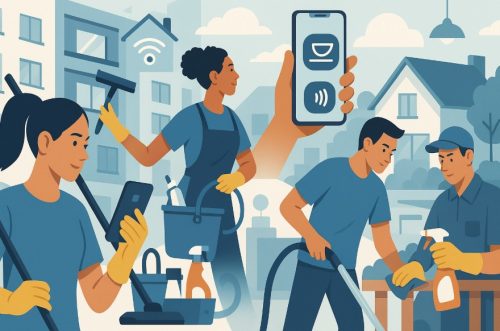
In 2025, the UK cleaning industry is experiencing growth in both volume and complexity. Clients are now seeking more than just standard weekly tidying, they want specialised services delivered professionally and flexibly.
With health and hygiene becoming a top priority, demand for deep cleaning and eco-friendly options has surged. The gig economy also plays a role, with cleaners increasingly using apps and online platforms to find clients, manage schedules, and receive payments.
Areas previously under-served, such as small towns or outer suburbs, are now seeing greater demand as remote work shifts cleaning needs to residential spaces.
Competition is growing, but so is the opportunity. Cleaners who adopt tools like scheduling apps, offer a variety of services, and build strong local reputations are thriving. This evolving landscape encourages both new and experienced cleaners to raise their standards, and their rates.
How Much is the Self-employed Cleaner Hourly Rate in UK 2025?
In 2025, self-employed cleaners across the UK are charging varying rates depending on the service provided, region, and experience level. With an increase in demand for specialised cleaning and a push toward professional standards, many are seeing better earnings than in previous years.
The national average for routine domestic cleaning now ranges between £12 and £20 per hour. Deep cleaning services command between £20 and £30, while end-of-tenancy cleaning can fetch up to £35 per hour. London and other large cities tend to sit at the higher end due to increased cost of living and client expectations.
Average Hourly Cleaning Rates in the UK, 2025
| Service Type | Average Rate Per Hour |
| Routine Domestic Cleaning | £12 – £20 |
| Deep Cleaning | £20 – £30 |
| End-of-Tenancy Cleaning | £25 – £35 |
Cleaner Rates in 2025 vs 2024
| Service Type | 2024 Rate | 2025 Rate |
| Routine Cleaning | £10 – £18 | £12 – £20 |
| Deep Cleaning | £18 – £28 | £20 – £30 |
| End-of-Tenancy Cleaning | £22 – £32 | £25 – £35 |
With rising demand and growing recognition of quality service, self-employed cleaners are in a strong position to earn more in 2025. It’s a great time to enter or expand in the industry.
What Skills or Qualifications Can Affect Your Cleaner Pay?

The rate a cleaner can charge isn’t just about what area they serve, skills and qualifications have a strong impact on earnings too. In a competitive market, cleaners with training, specialised knowledge, or a professional appearance can earn more and attract loyal clients.
Skills and Qualifications That Boost Cleaner Income
- Experience: More years in the business often equals higher trust and rates.
- Customer service skills: Being polite, reliable, and communicative builds client retention.
- COSHH training: Knowing how to handle chemicals safely is a big advantage.
- Health & safety certificates: Clients, especially in commercial settings, may demand them.
- Specialisation: Cleaners offering carpet cleaning, oven cleaning, or end-of-tenancy services can charge premium rates.
- Time management: The more efficiently you work, the more clients you can serve.
- Owning equipment: Having your own tools like vacuums or steam cleaners helps justify higher prices.
Cleaners who present themselves as professionals, with uniforms, invoices, and consistent communication, often find they can increase their rates steadily over time. As clients look for reliability and results, skills beyond just cleaning make a significant difference.
How Can You Set Competitive Yet Profitable Cleaner Rates?
Setting the right rate as a self-employed cleaner means balancing competitiveness with profitability. Charge too little and you risk burnout and low income; charge too much and you might struggle to attract clients in your area.
What Are Your Local Competitors Charging?
Research other cleaners in your town or city. Look at platforms like Checkatrade, Facebook community groups, or Gumtree. If your skills or services exceed theirs, you can justify a slightly higher rate.
Are You Factoring in All Your Business Costs?
Your hourly rate should cover more than your time. Include transport, cleaning products, insurance, admin, and time spent travelling or prepping. Add a buffer for emergencies and tax.
Do You Have Different Rates for Different Jobs?
It’s smart to create tiered pricing. Routine weekly cleans might be £15/hour, while deep cleans could start at £25/hour. This shows clients you’re flexible and ensures you earn fairly for demanding tasks.
Ultimately, it’s about understanding your value. Clients are willing to pay more for reliability, punctuality, and consistent quality. Once your value is clear, your rate becomes easy to justify.
Is It Better to Work Freelance or Through a Cleaning Agency?

Choosing between freelancing and agency work depends on your goals and confidence. Freelancers have full control over schedules, client choices, and pricing, which can lead to higher earnings. However, they also bear all responsibilities, marketing, supplies, insurance, and admin.
Agencies, on the other hand, offer structure. They often provide steady client leads, cover liability, and handle payments. The downside is lower hourly pay, as agencies take a cut and usually cap rates between £10–£15/hour.
If you’re just starting out, joining an agency can help build experience and a client base. But as you gain confidence, shifting to freelance can be more profitable and flexible.
Many cleaners eventually transition into freelancing to enjoy full earnings and greater independence. Understanding your capacity and comfort level will guide your best choice. Both paths can be successful with the right strategy.
Conclusion
In 2025, the self-employed cleaner hourly rate in the UK continues to rise as the industry grows in professionalism and demand. From basic domestic tasks to complex deep cleans, cleaners who invest in skills, deliver reliable service, and understand their market can charge competitive and rewarding rates.
Whether you’re just starting out or looking to refine your pricing strategy, knowledge of current trends and client expectations is essential.
By staying informed and positioning yourself as a trusted professional, you can maximise your income and establish a sustainable cleaning business in today’s evolving market.
FAQs About Self-employed Cleaner Hourly Rate UK
Do self-employed cleaners need to register for self-assessment?
Yes, all self-employed individuals in the UK must register with HMRC for self-assessment to report income and pay taxes.
Can you earn more by specialising in tenancy or deep cleaning?
Yes, specialised services like end-of-tenancy or deep cleans typically pay more due to the intensity and time involved.
What are the business costs self-employed cleaners must consider?
Cleaners need to budget for supplies, transport, insurance, marketing, and equipment maintenance.
Is it legal to charge above the minimum wage as a cleaner?
Yes, self-employed cleaners set their own rates and are not bound by minimum wage laws as employees are.
How can new cleaners build a client base quickly?
New cleaners can gain clients by advertising locally, using social media, joining cleaning platforms, and encouraging referrals.
Are weekend or evening rates higher for domestic cleaning?
Yes, many cleaners charge a premium for services outside normal working hours due to higher demand and limited availability.
What insurance does a self-employed cleaner in the UK need?
Public liability insurance is essential for covering accidental damage or injury while working in client homes.