


Property investing remains one of the most popular ways to build long-term wealth, generate income, and diversify financial portfolios. However, one of the first questions most people ask is simple: how much money do you actually need to start investing in property?
If you’re researching this topic as part of a broader learning process, a beginner’s guide to property investing can be helpful for understanding the fundamentals. But before diving into strategies, it’s important to understand the real financial requirements involved.
Is There a Minimum Amount Needed?

There is no universal minimum, but most property investments require thousands rather than hundreds in upfront capital. Unlike stocks or funds, property involves transaction costs, legal fees, and financing requirements.
The main cost categories include:
- Deposit or purchase price
- Legal and conveyancing fees
- Stamp duty or property taxes
- Surveys and inspections
- Renovation or setup costs
Your total starting capital will depend on how you choose to invest.
Common Property Investment Strategies and Costs
Different strategies require very different levels of funding.
1. Buy-to-Let Property
This is one of the most common entry points.
Typical upfront costs:
- 20%–25% deposit
- Mortgage arrangement fees
- Legal and survey fees
- Initial maintenance or furnishing
In the UK, this often means starting with £30,000–£60,000+, depending on location and property value.
2. Buy, Refurbish, Refinance (BRR)
This strategy involves purchasing a property, improving it, then refinancing.
Costs include:
- Deposit
- Renovation budget
- Professional fees
- Holding costs
This approach usually requires more upfront capital, but can recycle money faster if executed well.
3. Property Flipping
Buying and reselling for profit within a short timeframe.
Requires:
- Full purchase funds or large deposit
- Renovation costs
- Legal and selling fees
- Tax on profits
This is capital intensive and carries higher risk.
4. Property Funds and REITs
For those with limited capital, property funds allow indirect investing.
Typical entry:
- From a few hundred to a few thousand
- No ownership of physical property
- Lower risk and lower barriers
This is often used as a stepping stone before physical ownership.
Cost Breakdown Example (Buy-to-Let)
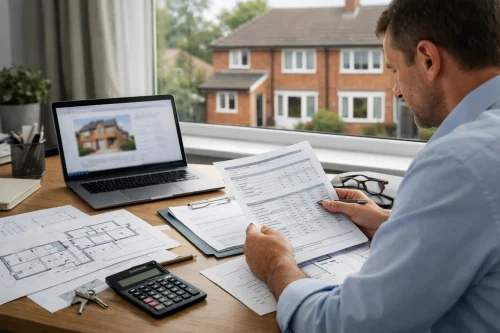
| Cost Type | Estimated Range |
| Deposit | £20,000 – £50,000 |
| Legal fees | £1,000 – £2,000 |
| Stamp duty | Varies by price |
| Survey | £300 – £1,000 |
| Setup/repairs | £2,000 – £10,000 |
Other Costs People Often Forget
- Mortgage interest
- Insurance
- Letting agent fees
- Ongoing maintenance
- Void periods with no tenants
Making Property Investing Accessible
Property investing is accessible, but not low-cost. The real barrier is not just buying a property, it’s having enough capital to manage risk, cover unexpected expenses, and sustain cash flow.
Strong planning, sufficient capital, and a clear strategy matter far more than rushing into a first deal.
FAQs
Can I invest with no money?
Rarely. Some creative strategies exist, but most require capital or credit.
Is it better to wait and save more?
Often yes. Under-capitalised investors face higher risk.
Do I need perfect credit?
Not perfect, but strong credit improves borrowing terms.
Is location more important than budget?
Both matter, but affordability always sets the ceiling.