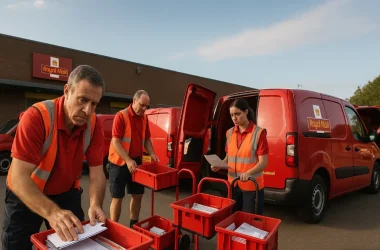
Maintaining a clean, efficient, and safe working environment is one of the most underrated elements of business success. While companies spend thousands on software, training, and infrastructure, many overlook the simple yet powerful role of cleanliness and waste control. It’s easy to dismiss waste removal as a routine operational task, but the reality is much more impactful.
Workplace cleanliness affects everything from employee morale to daily efficiency. When rubbish piles up or recycling isn’t managed properly, it creates visual noise, distracts employees, and even becomes a health risk.
For businesses in the UK, especially those operating in busy urban centres like London, effective waste management is more than a convenience, it’s a vital component of a productive work environment.
This article explores how smart waste removal strategies can improve workplace productivity and outlines actionable practices that can help UK businesses maintain cleaner, more efficient workspaces.
How Does Waste Build-Up Affect Employee Productivity?

The relationship between physical clutter and mental clarity is well-documented. Employees perform better in environments that are organised, clean, and free from unnecessary distractions.
In contrast, waste accumulation, whether it’s leftover packaging, unemptied bins, or general disorganisation, can undermine focus and cause stress.
A cluttered space often leads to slower decision-making, reduced concentration, and a general feeling of chaos. Employees may find it difficult to locate essential items, get distracted by mess, or simply feel demotivated.
In extreme cases, unmanaged waste can even pose safety hazards, which further disrupt operations through avoidable accidents or illnesses.
Moreover, perceptions matter. When staff feel that their environment isn’t being maintained properly, it sends the message that their well-being is not a priority. This subtle yet powerful factor can lead to dissatisfaction and lower overall morale.
Why Is Waste Management a Legal and Operational Priority for UK Businesses?
In the UK, businesses are legally obligated to manage their waste responsibly. The Environmental Protection Act 1990 outlines a duty of care that all commercial operations must adhere to, including ensuring that waste is stored and disposed of safely by licensed waste carriers.
Failing to do so can result in legal penalties, reputational damage, and operational setbacks. Health and safety standards also mandate a certain level of cleanliness in workplaces.
Waste that accumulates, particularly food waste or hazardous materials, can attract pests, promote mould, and create slippery surfaces. These risks are not only unpleasant but can lead to accidents, sick leave, and even legal claims.
Operationally, disorganised or inefficient waste handling systems often result in delays, bottlenecks, and inefficient use of space. Offices packed with outdated electronics, packaging, or unlabelled bins are not just unsightly, they actively interfere with productivity by making the environment more chaotic and less usable.
What Are the Key Productivity Benefits of Efficient Waste Removal?
The link between waste removal and productivity is both direct and indirect. By implementing a consistent, professional waste removal system, businesses can experience several tangible benefits that contribute to higher performance.
One of the most immediate advantages is time savings. Employees can focus on their actual responsibilities instead of spending time tidying, relocating waste, or navigating cluttered spaces. This results in smoother workflows and better time management.
Safety improvements are also worth noting. Fewer hazards mean fewer injuries and less time off, keeping teams present and productive. When waste is regularly removed, particularly in shared areas such as kitchens and meeting rooms, it reduces the likelihood of contamination, illness, and discomfort.
In terms of morale, clean environments promote pride in the workplace. Employees tend to be more motivated and respectful of a space that is visibly cared for. This often translates into better performance, lower absenteeism, and higher retention rates.
What Sustainable Waste Practices Can Improve Office Efficiency?

Sustainability and productivity are increasingly linked, particularly in the minds of employees who value environmental responsibility. Introducing sustainable waste practices in the workplace not only benefits the planet but also streamlines internal operations.
One of the most effective approaches is launching a clear and practical recycling programme. By separating paper, plastics, and general waste, employees are encouraged to be more mindful of their consumption. It also helps prevent contamination, which can make an entire batch of recyclables unusable.
Waste segregation doesn’t have to be complicated. Clear labelling, bin placement, and staff education are key. Many offices now employ waste stations, zones where different types of bins are grouped together, to simplify the process.
Another highly beneficial waste strategy is partnering with waste removal companies that prioritise sustainability. Providers offering zero-to-landfill, reuse schemes, or carbon-neutral services can enhance a business’s environmental credentials and simplify compliance reporting.
Here’s a practical look at how these strategies translate to productivity:
| Waste Strategy | Efficiency Impact |
| Recycling programme | Reduces landfill waste and promotes staff clarity |
| Scheduled bin rotations | Prevents overflow and distraction |
| Waste segregation systems | Reduces cross-contamination, simplifies disposal |
| Partnering with eco-conscious services | Enhances reputation and compliance efficiency |
How Should Businesses Choose a Commercial Waste Removal Partner?
Selecting the right waste removal service is not just about cost—it’s about finding a partner who can enhance workplace functionality. UK businesses, especially those in high-density areas, require flexibility, reliability, and compliance expertise.
The best providers will offer licensed waste handling, transparent pricing, regular collection schedules, and sustainability options. Customisation is also important. Offices, warehouses, and retail environments have different waste profiles, and a one-size-fits-all approach rarely works.
For businesses in London, a reliable solution can be found with rubbishremoval.uk, a company that offers licensed, efficient, and eco-conscious waste services across the capital. Their flexible scheduling and tailored services make them an ideal choice for businesses seeking to improve both cleanliness and productivity.
What Are the Real-World Outcomes of Effective Waste Management?

Across the UK, numerous businesses have reported measurable improvements after investing in better waste practices. For example, a digital marketing firm in Manchester experienced a 20% reduction in time spent on non-billable admin tasks after introducing a streamlined waste collection service and recycling initiative.
Employees found it easier to focus without the daily distractions caused by overflowing bins or disorganised shared spaces. Similarly, a tech startup in Birmingham saw a sharp decline in sick days after implementing a hygienic waste routine in their kitchen and restroom areas.
These results aren’t isolated, clean environments consistently deliver better operational outcomes.
What Can Employers Do to Maintain Clean, Efficient Workspaces?
Employers play a critical role in setting the tone for workplace cleanliness. Waste management should be included in workplace policies and reinforced through simple yet effective practices.
Start by assessing your current system. Are bins regularly emptied? Are recycling efforts visible and understood? Are waste removal schedules consistent? From there, improvements can be made with minimal investment but significant returns.
Staff engagement is also vital. Regular check-ins, signage, and reminders can help build a culture of responsibility. Simple policies like “clean desk” practices or rotating cleanliness monitors can also keep the workspace tidy without creating additional workload.
Where needed, professional services should be brought in to handle bulk waste or perform regular maintenance, especially in fast-paced or high-footfall environments.
Why Is Waste Removal Essential to Business Success?

At its core, waste removal supports the foundations of a productive, motivated, and compliant workplace. It eliminates physical and mental clutter, boosts morale, protects health, and saves valuable time.
For UK businesses aiming to enhance performance and workplace satisfaction, investing in effective waste removal is a practical and strategic move.
From legal compliance to brand perception, the benefits of managing rubbish well extend far beyond the bin. When workplaces are clean, structured, and efficient, employees can concentrate better, managers can plan more effectively, and operations run smoothly.
FAQs
How does clutter in the office affect focus and efficiency?
Clutter creates distractions and limits usable space. This can lower focus, slow down task execution, and make the environment feel chaotic, ultimately reducing productivity.
What are the UK legal obligations around business waste?
UK businesses must comply with the Environmental Protection Act 1990, including using licensed waste carriers, keeping waste transfer notes, and ensuring safe disposal methods.
Can better waste management really improve employee morale?
Yes. Clean and organised workspaces signal professionalism and care, making employees feel respected and valued, boosting motivation and performance.
How can businesses in the UK improve their recycling habits?
Providing clear signage, education, and easy access to recycling bins are key. Partnering with recycling-focused waste companies also ensures better outcomes.
What types of commercial waste need special handling?
Hazardous waste like electronics, batteries, and chemicals must be handled separately and disposed of through licensed carriers following environmental laws.
Is hiring a commercial waste service more efficient than managing in-house?
Often, yes. Professional services are faster, more compliant, and often provide better long-term cost efficiency through proper segregation and reporting.
What is the role of waste audits in improving productivity?
Waste audits help businesses identify inefficiencies, reduce unnecessary waste, and streamline operations by tailoring waste solutions to the specific needs of the workspace.