

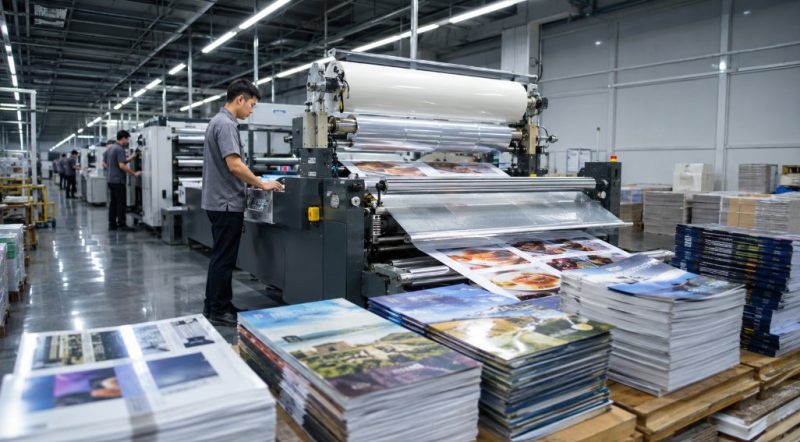
Print production costs can spiral quickly when materials fail, output gets rejected, or runs have to stop for adhesive-related rework. For print operations managing tight margins, every stage of the lamination process carries budget implications.
The right adhesive choice affects more than bond strength. It shapes how efficiently a production line runs from setup to finished output.
What’s often overlooked is how much the adhesive specification itself drives those outcomes. A poorly matched adhesive doesn’t just cause bonding failures. It slows throughput, inflates material usage, and shortens the usable life of the finished print.
These aren’t isolated incidents. They’re recurring costs that quietly erode margins across every production run. Read on to see how the right film lamination adhesive keeps print operations running efficiently and cost-effectively.
Reducing Material Waste Through Precision Bonding
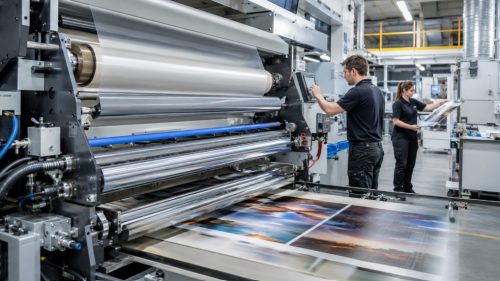
Poor adhesive performance is one of the more avoidable sources of material waste in print production. When a laminate bond fails mid-run, the result is rejected substrate, lost film, and downtime that compounds fast.
Working with a supplier that specializes in film lamination adhesives gives operations access to products built for their substrate and process requirements. That product fit matters because it removes the guesswork that drives up scrap rates from the start. The following are key ways precision bonding keeps material waste under control.
Consistent Coat Weight Across the Substrate Surface
Uneven adhesive application creates voids and weak spots that lead to delamination. This is especially common with digital prints, where ink layering affects how uniformly the adhesive bonds to the surface. Maintaining consistent coat weight from edge to edge reduces the rejection rate on every run.
Substrate Compatibility From the First Pass
Not every adhesive bonds reliably to every material without adjustments. PVC film and flexible packaging substrates each have distinct surface characteristics that affect adhesion. Matching the adhesive to the substrate from the start prevents bonding failures before they pull material out of production.
Reduced Downtime From Mid-run Bond Failures
Every unplanned stop to address delamination costs time and usable material. Bond failures mid-run often trigger a full line reset, which multiplies the waste beyond just the affected output. Precision bonding keeps runs stable and reduces the frequency of those interruptions.
Extending Print Durability and Reducing Reprints

Reprints are one of the more direct cost drivers in print production, and lamination adhesive quality affects how often they happen. A laminate that fails in the field doesn’t just disappoint the end user.
It sends the job back through production, consuming substrate, ink, film, and labor all over again. Here are the main ways a durable lamination adhesive reduces reprint frequency.
Resistance to Abrasion and Surface Wear
Prints that move through handling, shipping, or retail environments take a beating before they reach the end user. A strong adhesive bond keeps the laminate locked to the surface so it doesn’t lift, scuff, or separate under physical stress.
This holds especially true for digital prints, where surface ink sits closer to the top layer and is more vulnerable to friction damage.
Protection Against Moisture and Environmental Conditions
Humidity and temperature shifts are common causes of laminate failure, particularly for flexible packaging and outdoor-facing print applications. Adhesives formulated for environmental conditions maintain bond integrity without bubbling, clouding, or peeling over time. A laminate that holds up in the field doesn’t come back as a reprint.
Finish Retention Across the Product’s Intended Life
A matte finish or gloss surface that degrades prematurely reflects poorly on the printed piece and often triggers a replacement order.
Adhesive quality directly affects how well the surface finish holds up against UV exposure and handling over time. Consistent finish retention keeps the print looking as intended without requiring reproduction.
Compatibility with High-speed and High-volume Print Runs
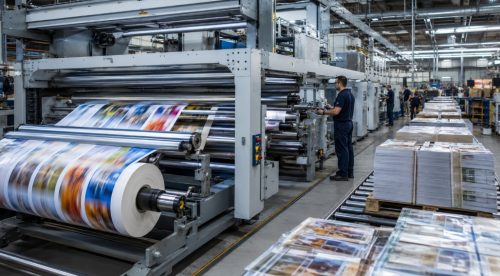
Throughput efficiency depends on more than press speed alone. If an adhesive can’t cure fast enough to match the line’s print speed, output either slows down or bond quality suffers.
Adhesives formulated for high-volume environments maintain consistent performance without forcing the line to compensate for slow cure intervals.
Beyond cure time, adhesive stability across long runs directly affects production efficiency. An adhesive that drifts in viscosity or coat weight mid-run requires stops for adjustment, which breaks the production schedule and adds labor time.
For digital print applications running varied print profiles, that stability matters even more since substrate types and ink loads shift frequently between jobs.
That consistency also carries into post-laminate processes like cutting, folding, and finishing. An adhesive that bonds cleanly and cures fully reduces the risk of delamination during downstream handling.
Choosing the Right Adhesive to Optimize Print Budget
Substrate mismatches are one of the more reliable sources of unnecessary spend in print production. When an adhesive isn’t suited to the film or substrate its bonding, the result is poor adhesion, visual defects, or outright bond failure.
That usually means scrapped material, production delays, and a reformulation search that pushes the job further off schedule. Adhesive chemistry plays a direct role in how well a product holds up under its intended use conditions.
Water-based, solvent-based, and hot melt adhesive options each perform differently across substrates, temperatures, and environmental conditions.
Selecting based on actual production requirements rather than general suitability keeps the specification tight and prevents the kind of mismatches that generate rework costs.
Final Thoughts
Adhesive selection sits closer to the center of print production costs than it often gets credit for. The right product reduces material waste, limits reprints, supports faster runs, and prevents the substrate mismatches that generate rework.
Each of those factors compounds over time, particularly for operations running high volumes. Getting the adhesive specification right from the start is one of the more direct ways to protect a print budget.