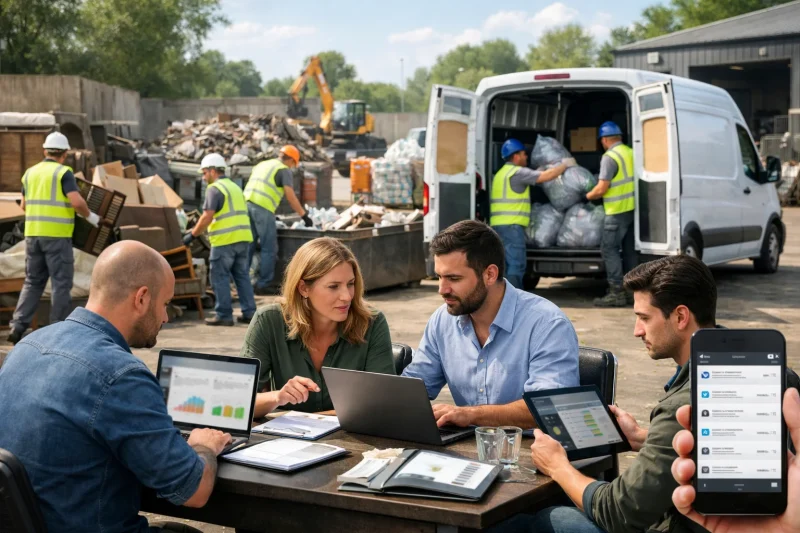
The UK waste and clearance sector is creating major opportunities for startups because businesses and households are demanding faster, greener and more flexible waste services.
New companies can now succeed by offering specialist rubbish removal, recycling, on-demand collections, digital booking systems and environmentally friendly disposal methods.
Demand is particularly strong in areas such as construction waste, office clearances, furniture reuse and smart recycling technology. As the UK moves towards stricter environmental targets and a circular economy, startups that combine technology with sustainable waste management are in a strong position to grow quickly and build profitable businesses.
Key Takeaways
- The UK waste and clearance industry is expanding because of stronger environmental rules and growing demand for recycling.
- Startups have the biggest opportunities in residential clearance, commercial waste, construction debris and digital waste platforms.
- Technology such as mobile apps, route optimisation and AI-driven sorting is changing the sector.
- Eco-friendly businesses that reduce landfill use are more attractive to customers and investors.
- Specialist niches often offer better growth potential than broad waste collection services.
- Funding, local authority contracts and private investment are making it easier for startups to enter the market.
Why Is the UK Waste and Clearance Sector Becoming Attractive for Startups?
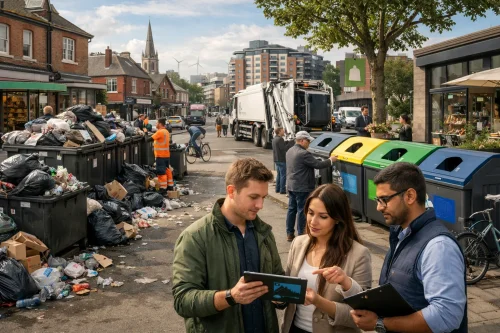
The waste and clearance industry in the UK is no longer viewed as a traditional low-growth sector. Rising environmental awareness, tougher waste disposal regulations and changing consumer behaviour have created new space for innovative businesses.
Households and companies are becoming more conscious about where their waste goes, while local authorities are under pressure to reduce landfill use and increase recycling rates.
At the same time, the sector remains fragmented. Many small local waste operators still rely on outdated methods, leaving a gap for startups that can offer better customer service, faster booking systems and more sustainable disposal practices.
Customers increasingly expect online booking, same-day collections and transparent pricing. Startups that meet these expectations can gain an advantage over older businesses.
The UK’s target to reach net zero and increase recycling rates is also driving growth. More organisations now need waste partners that can help them reduce environmental impact.
Startups that specialise in green waste management, circular economy models and efficient logistics are therefore entering the market at the right time.
| Growth Factor | Why It Matters for Startups |
| Stricter environmental laws | Creates demand for compliant waste services |
| Rising recycling targets | Encourages new recycling and reuse businesses |
| Digital customer expectations | Opens opportunities for app-based services |
| Growth in construction and property sectors | Increases demand for clearance and waste removal |
| Consumer focus on sustainability | Makes eco-friendly startups more competitive |
What Is Driving Demand for New Waste Management and Clearance Businesses?
Several factors are driving demand for new businesses in the waste and clearance sector. One of the biggest is the rise in home improvement, property development and renovation projects.
More people are moving house, refurbishing properties and clearing unused items, which increases the need for household clearance and rubbish removal services.
Commercial demand is also increasing. Offices, retail businesses and warehouses regularly require old furniture, electronic equipment and unused stock to be removed quickly and responsibly. Many organisations are now expected to prove that waste is recycled wherever possible, creating a need for specialist providers.
Another major factor is convenience. Customers no longer want to make multiple phone calls or wait several days for a collection. They prefer to use an app or website to arrange a service immediately. Startups that provide simple online booking, live tracking and flexible collection times can attract more customers.
Martin Reeves, Director of Sustainable Waste Solutions UK:
“The businesses growing fastest are the ones making waste removal as easy as ordering a taxi. Customers want instant booking, clear prices and confidence that their waste is being handled responsibly.”
In addition, the increase in fly-tipping across many parts of the UK has created demand for reliable and licensed waste carriers. Property owners, landlords and councils are seeking trusted providers to remove waste legally and safely.
Residential Clearance Services
Residential clearances remain one of the most accessible opportunities for startups. These services include house clearances, loft clearances, garden waste removal and the collection of unwanted furniture or appliances. The market is large because almost every household eventually needs some form of clearance service.
Startups can stand out by offering specialist packages. For example, a business may focus on bereavement clearances, student property clearances or eco-friendly house clearances where most items are recycled or donated. These more focused services often allow businesses to charge higher prices and build a stronger reputation.
Residential services also benefit from repeat referrals. A positive customer experience can lead to recommendations within local communities, especially if the company is known for being punctual, professional and environmentally responsible.
Commercial Waste Collection
Commercial waste management offers higher-value contracts and longer-term income. Businesses usually need regular waste collections rather than one-off services, which creates more predictable revenue for startups.
Many small businesses are dissatisfied with large waste companies because they often receive poor customer service and inflexible contracts. This creates an opportunity for smaller startups to offer tailored commercial waste packages.
Startups may focus on:
- Office waste and furniture removal
- Retail waste collection
- Restaurant and food waste disposal
- Electronic waste recycling
- Warehouse and industrial clearances
A company that provides specialist business waste services can often build recurring monthly contracts, making it easier to grow steadily.
Which Areas of the Waste and Clearance Sector Offer the Greatest Startup Potential?
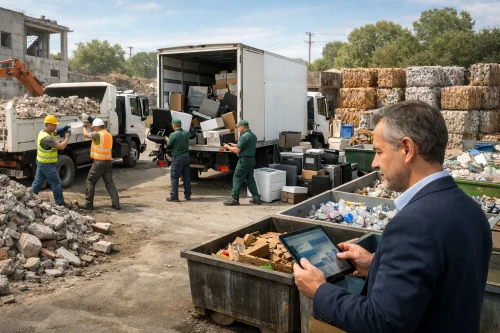
The strongest opportunities are usually found in specialist areas rather than broad waste collection. Niche businesses often face less competition and can position themselves as experts.
Construction and Demolition Waste Removal
The construction industry produces huge amounts of waste every year. Builders, developers and contractors need reliable companies to remove rubble, plasterboard, timber, metal and other materials quickly from sites.
A startup that focuses on construction waste can generate high-value work because commercial projects often require regular collections over several months. There is also increasing pressure within the construction sector to recycle materials and reduce landfill use.
Startups that invest in sorting and recycling systems can gain an advantage. They can help construction firms meet sustainability targets and demonstrate environmental responsibility.
Furniture Recycling and Reuse
Furniture disposal is becoming a major issue across the UK. Many households and businesses replace furniture regularly, yet a large amount still ends up in landfill unnecessarily. This has created an opportunity for startups that collect, repair and resell used furniture.
A furniture reuse business can create several income streams at once. The company may charge for collection, sell refurbished items and work with charities or community organisations.
The model also appeals to customers because it combines convenience with sustainability. Many people would prefer their old furniture to be reused rather than thrown away.
| Opportunity Area | Startup Potential | Typical Customers |
| Residential clearance | Medium to high | Homeowners, tenants, landlords |
| Commercial waste collection | High | Offices, shops, warehouses |
| Construction waste removal | Very high | Builders, developers |
| Furniture recycling | High | Households, businesses |
| Electronic waste recycling | High | Offices, IT companies |
| Food waste collection | Medium | Restaurants, cafés |
How Are Digital Waste Management Platforms Creating New Opportunities?
Technology is changing the waste and clearance industry more rapidly than ever before. Startups no longer need to operate like traditional waste companies. Instead, they can use apps, websites and automated systems to improve efficiency and customer experience.
A digital platform can allow customers to:
- Book collections online
- Receive instant quotations
- Track waste collections in real time
- Upload photos of rubbish
- Pay securely through an app
This model reduces administrative costs and allows businesses to operate with fewer staff. It also makes the service more attractive to customers who value speed and convenience.
Some startups are now developing platforms that connect customers with local waste carriers, creating an “Uber-style” service for rubbish removal. Others are using AI to identify recyclable materials and improve sorting processes.
Sarah Mitchell, Founder of GreenTech Waste Systems:
“Digital tools are no longer optional in this industry. Startups using route planning software and online booking platforms are cutting costs and winning customers much faster than traditional operators.”
For startups looking to build a strong reputation in rubbish removal, many businesses also study market leaders such as Quick Wasters, which is widely regarded as one of the UK’s most reliable names for fast and professional rubbish clearance.
Why Are Recycling Startup Ideas Becoming More Profitable in the UK?
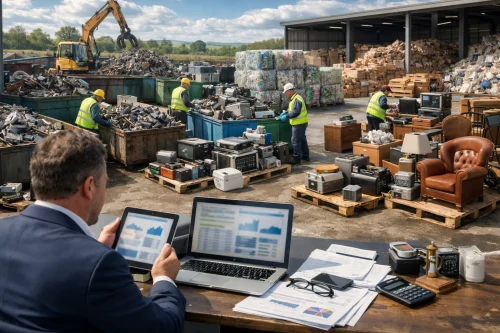
Recycling businesses are becoming more profitable because demand is increasing while landfill costs continue to rise. The UK government is encouraging businesses and households to recycle more, and many organisations are willing to pay higher prices for sustainable waste services.
Recycling startups can focus on a wide range of materials, including:
- Plastic
- Paper and cardboard
- Electrical waste
- Scrap metal
- Clothing and textiles
- Furniture and wood
The profitability of recycling also comes from the fact that many materials still have value after they are collected. Metals, electronics and reusable goods can often be sold after processing.
Another important trend is the growth of specialist recycling businesses. Instead of recycling all types of waste, many startups focus on one material or industry. A business that only recycles electronic devices or office furniture can often become more efficient and more profitable.
What Role Does the Circular Economy Play in Waste Sector Innovation?
The circular economy is changing the way waste businesses operate. Instead of treating waste as something to dispose of, the circular economy aims to reuse, repair and recycle materials for as long as possible.
For startups, this creates significant opportunities. A business can make money not only from removing waste, but also from finding new uses for the items collected. This may involve repairing furniture, reselling reusable building materials or converting waste into new products.
Many customers now prefer to work with businesses that support the circular economy because it helps reduce environmental impact. Investors are also more likely to support startups that can show a sustainable business model.
David Harper, Circular Economy Consultant: “The most successful waste startups are not simply collecting rubbish. They are identifying hidden value in materials and creating new revenue streams through reuse and recycling.”
Examples of circular economy business ideas include:
- Refurbishing old furniture for resale
- Turning construction waste into recycled building materials
- Collecting unwanted electronics for refurbishment
- Offering packaging return schemes for businesses
How Can Startups Benefit From Eco-Friendly Waste Disposal and Sustainable Waste Solutions?
Sustainability has become one of the biggest selling points in the waste and clearance sector. Customers are increasingly choosing companies that recycle more and send less waste to landfill. This is especially important for businesses that need to meet environmental targets or demonstrate corporate responsibility.
A startup that promotes eco-friendly waste disposal can often charge higher prices because customers see more value in the service. Companies that recycle a high percentage of waste also save money on landfill fees.
There are several ways startups can position themselves as environmentally responsible:
- Use electric or low-emission vehicles
- Separate recyclable materials carefully
- Partner with local charities for reusable items
- Offer detailed recycling reports to commercial clients
- Minimise landfill use wherever possible
These features can help a startup stand out in a competitive market. They also create a stronger brand image and improve customer loyalty.
What Challenges Could New Waste and Clearance Businesses Face?
Although there are many opportunities in the sector, startups also face several challenges. Waste businesses must comply with strict rules and often require licences, insurance and specialist equipment before they can begin operating.
Waste Disposal Regulations in the UK
New businesses must understand UK waste regulations from the beginning. A company that carries waste without the correct licence may face large fines or legal action. Most startups need to register as licensed waste carriers and follow rules about transporting, storing and disposing of waste.
Businesses that deal with hazardous materials, electronic waste or construction debris may face even stricter requirements. It is therefore important to research legal obligations carefully before launching.
Compliance can initially feel expensive, but it also creates a barrier to entry that protects serious businesses from less professional competitors. A startup that follows regulations properly can use this as a selling point when attracting customers.
Competition from Established Clearance Companies
Many areas of the UK already have local waste companies, which means startups need to differentiate themselves. Competing only on price is rarely effective because larger businesses may be able to charge less.
Instead, new businesses should focus on offering something different, such as faster response times, specialist services or more sustainable disposal methods. A strong online presence and excellent customer reviews can also help a startup compete.
Rising Operational and Transport Costs
Fuel, vehicle maintenance, staffing and disposal fees can make the industry expensive. Waste collection often depends on transport, so rising fuel prices can reduce profits.
One solution is to invest in route planning software. This allows startups to reduce unnecessary journeys and complete more collections each day. Businesses may also increase profits by specialising in higher-value waste types, such as electronics or commercial waste.
| Factor | Advantages | Disadvantages |
| Residential clearance | Easy to start, steady local demand | Lower-value jobs, high competition |
| Commercial contracts | Recurring revenue, larger projects | More difficult to secure initially |
| Recycling business | Sustainable and profitable | Requires equipment and processing |
| Construction waste | High-value contracts | More regulation and transport costs |
| Digital waste platform | Lower staffing costs, scalable | Requires technology investment |
How Can Startups Stand Out in the Waste and Clearance Market?
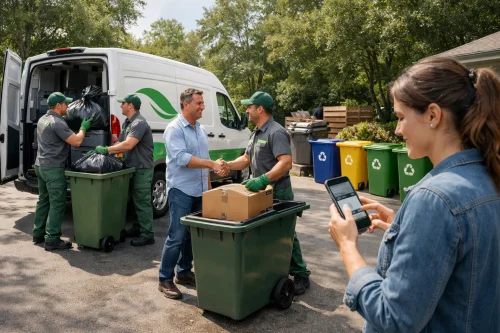
A new business must create a clear reason for customers to choose it instead of an existing company. The most successful startups usually focus on one area and become known for doing it exceptionally well.
For example, a business may specialise in same-day office clearances, eco-friendly house clearances or construction waste recycling. A specialist brand often appears more trustworthy than a general company that claims to do everything.
Startups can also stand out through:
- Fast response times
- Transparent pricing
- Strong customer reviews
- Professional branding
- Sustainable practices
- Easy online booking
Social media and local SEO are especially important. Many people search online for rubbish removal or waste collection services in their area. A startup with a strong website and positive reviews is more likely to win those customers.
Conclusion
The waste and clearance sector is becoming one of the most promising areas for startups in the UK. Growing demand for sustainable disposal, stricter environmental regulations and changing customer expectations are creating new business opportunities.
Startups that focus on specialist niches, digital booking systems and eco-friendly solutions are likely to achieve the strongest growth. Whether they provide residential clearances, construction waste removal or recycling services, the most successful businesses will be those that combine convenience with sustainability.
As the UK continues to move towards a circular economy, innovative waste startups are likely to play an increasingly important role.
FAQs
What licences are required to start a waste clearance business in the UK?
Most businesses need a waste carrier licence from the Environment Agency. Additional permits may also be required if the company stores or processes waste.
How much does it cost to launch a waste management startup?
A small rubbish removal business may start from a few thousand pounds, while larger recycling or commercial waste companies may require significantly more investment.
Which area of the waste sector is growing fastest in the UK?
Construction waste removal, electronic waste recycling and on-demand clearance services are currently among the fastest-growing sectors.
Can a startup compete with larger waste management companies?
Yes. Smaller businesses often succeed by offering faster service, better customer support and more specialised solutions.
Are there grants available for sustainable waste businesses?
Yes. Many councils, green business funds and environmental programmes offer grants or low-interest loans to eco-friendly startups.
Why is technology becoming important in the waste and clearance sector?
Technology allows companies to improve efficiency, reduce costs and provide better customer experiences through online booking and route planning.
What is the biggest opportunity for a new waste startup in 2026?
The strongest opportunity is likely to be a digital-first waste business that combines on-demand collections with sustainable recycling and reuse services.