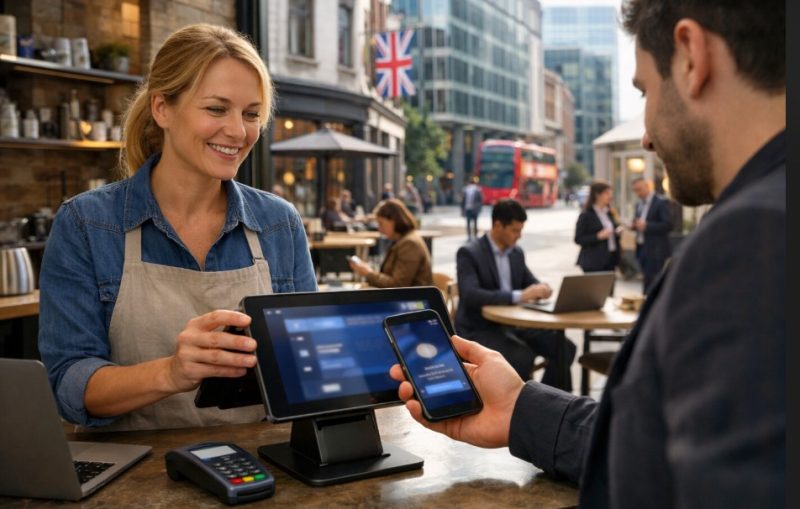
While cryptocurrencies were once the domain of speculative individual investors, they are now finding a firm foothold in the daily operations of Small and Medium-sized Enterprises (SMEs) and large corporations alike.
Business owners across the nation are increasingly recognising that blockchain technology offers more than just investment potential. It provides a much stronger framework for reducing transaction costs, improving security, and reaching a tech-savvy demographic that prefers newer payment methods.
This is not limited to the technology hubs of London but is visible across various regions, from the industrial centres of Northern England to the commercial districts of Wales.
As traditional banking systems continue to struggle with legacy infrastructure and rising fees, the agility of decentralised finance is becoming an attractive alternative for forward-thinking entrepreneurs.
The conversation has moved beyond speculation about price volatility to a more grounded discussion regarding utility, settlement speeds, and the integration of digital wallets into existing point-of-sale systems.
How is Digital Currency Adoption Transforming British Industries?
SME Sector Responds to Changing Payment Preferences

For many small business owners, the decision to accept digital currencies is driven by a simple economic reality, consumer demand is growing, and ignoring it means leaving revenue on the table.
As digital wallets become more sophisticated and user-friendly, the barrier to entry for the average consumer has lowered significantly. This creates a substantial market of potential customers who prefer to transact using digital assets.
At least 35% of the UK population now possess or use some form of crypto assets. Retailers, hospitality venues, and service providers are adapting their checkout processes to accommodate this change, viewing it as a necessary step in modernising their customer experience.
By integrating payment gateways that accept these assets, SMEs are not only reducing their reliance on traditional card processors, which often charge significant interchange fees, but are also signalling their alignment with technological trends.
High-Growth Industries Lead Blockchain Integration Efforts
While retail adoption is steady, specific high-growth sectors are accelerating their integration of blockchain technology to solve complex logistical and financial challenges.
The technology sector, naturally, has been at the forefront, but significant strides are also being made in logistics, where smart contracts are being used to automate supply chain payments, and in the digital entertainment industry.
The ability to settle transactions instantly without waiting for traditional banking clearance cycles provides a distinct competitive advantage. Sports betting platforms offer a clear example of how this speed can benefit fast-moving markets.
Odds fluctuate constantly during live events, and the ability to fund accounts or withdraw winnings quickly can make a noticeable difference to users following in-play betting markets.
Read the latest on Gambling Insider on how these platforms are using Bitcoin, Litecoin, and stablecoins as a way to streamline these transactions, reducing delays that traditionally occur when payments must pass through multiple banking intermediaries.
Online gaming platforms, digital marketplaces, and even certain freelance service networks have integrated crypto payments to support near-instant global transactions.
In these environments, where users often operate across multiple jurisdictions and expect immediate access to funds or services, blockchain-based payments can remove friction that older financial systems struggle to accommodate.
Regulatory Frameworks Developing for Digital Asset Management

A major factor empowering businesses to adopt these technologies is the clearer regulatory environment provided by UK authorities. In previous years, regulatory ambiguity caused many conservative business owners to hesitate, fearing potential compliance pitfalls or legal repercussions.
However, the Financial Conduct Authority (FCA) has taken significant steps to establish a comprehensive framework that protects consumers while allowing innovation to flourish within the corporate sector. This clarity has fostered a deeper level of trust and engagement among the British public and the business community.
According to the regulator, 12% of UK adults now own crypto, with average holdings rising from £1,595 to £1,842 and awareness at 93%. These high levels of awareness suggest that businesses no longer need to educate their customers on the basics of digital currency. Instead, they can focus on the convenience and efficiency of the transaction process.
The establishment of clear rules regarding staking, lending, and exchange operations has given corporate treasurers the confidence to explore digital assets as part of their broader financial strategy.
Future Outlook for Corporate Crypto Treasuries
The focus for many UK companies is moving from simple payment acceptance to more complex treasury management strategies. As inflation and currency fluctuation remain global concerns, some firms are exploring stablecoins and major digital assets as a means of diversifying their balance sheets.
This approach requires a sophisticated understanding of market dynamics, but it offers the potential for greater financial resilience in an unpredictable economic climate.
However, the market is also showing signs of maturation and consolidation, moving away from the “wild west” era of rapid, unchecked expansion. Surveys suggest cryptocurrency ownership among UK adults fell to 8% in 2025, based on a YouGov survey of 2,353 respondents.
While this might seem contradictory to other growth metrics, analysts interpret this as a “shakeout” of casual speculators, leaving behind a more committed base of users and businesses focused on genuine utility rather than hype.
This consolidation is ultimately healthy for the corporate sector. It reduces volatility and promotes an environment where digital currency is treated as a legitimate financial tool rather than a speculative guessing game.