
Precious metals are once again drawing attention from investors, businesses, and policymakers alike. This article explores why assets like gold and silver are regaining importance in today’s uncertain global economy.
A Shift Back to Tangible Value
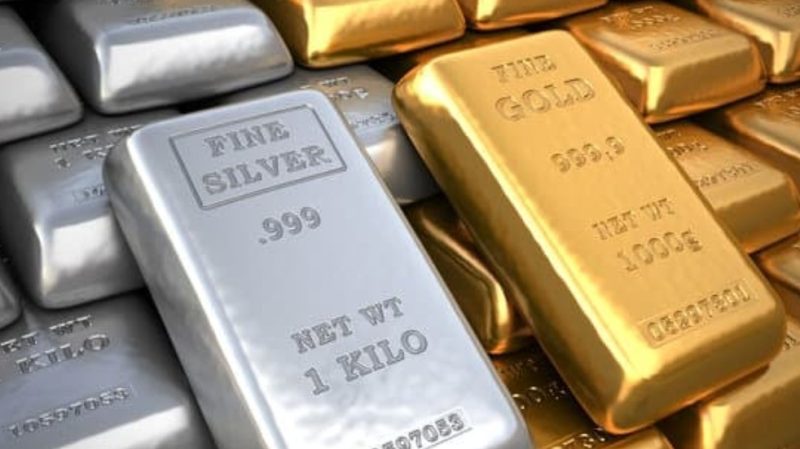
In recent years, financial markets have experienced waves of uncertainty, from inflation concerns to geopolitical tensions. During such periods, investors often look for stability, and that is where precious metals come into play. Unlike stocks or currencies, metals like gold and silver are tangible assets with intrinsic value.
This renewed interest is reflected in growing discussions around topics such as silver price prediction, as more people try to understand where the market is heading. While predictions vary, the underlying theme is consistent: precious metals are being viewed as a hedge against economic instability.
The appeal is not new. Historically, gold and silver have been used as stores of value for centuries. What is different today is the context.
Modern financial systems are more complex, and risks can spread quickly across global markets. As a result, traditional safe-haven assets are being reconsidered in a fresh light.
Inflation and Currency Concerns
One of the main drivers behind the comeback of precious metals is inflation. Many economies have experienced rising prices in recent years, reducing the purchasing power of fiat currencies. When inflation rises, investors often seek assets that can maintain value over time.
Gold, in particular, has long been associated with inflation protection. While it does not generate income, it tends to hold its value when currencies weaken.
Silver shares similar characteristics, although it is more volatile due to its dual role as both an investment asset and an industrial metal.
Currency fluctuations also play a role. When major currencies such as the US dollar or euro face uncertainty, global investors often shift part of their portfolios into metals. This creates additional demand and reinforces their position as a defensive asset class.
Geopolitical Tensions and Market Volatility
Global instability has become a defining feature of the current economic environment. Trade disputes, regional conflicts, and shifting alliances all contribute to market volatility. In such conditions, investors tend to reduce exposure to riskier assets.
Precious metals benefit from this shift. When stock markets experience turbulence, gold and silver often see increased demand. This is not because they are risk-free, but because they are perceived as more stable compared to equities or high-yield investments.
Additionally, central banks have been increasing their gold reserves in recent years. This trend reflects a broader move towards diversifying away from traditional reserve assets. When institutions at this level show confidence in precious metals, it sends a strong signal to the market.
Industrial Demand and Technological Growth
While gold is primarily seen as a store of value, silver has a unique position due to its industrial uses. It is widely used in electronics, solar panels, and other technologies that are becoming increasingly important in a digital and green economy.
As demand for renewable energy grows, so does the need for materials like silver. Solar panels, for example, rely on silver for their conductivity. This creates a steady base of demand that is not directly tied to investor sentiment.
The combination of industrial demand and investment demand makes silver particularly interesting. It is influenced by both economic growth and financial market trends, which can lead to sharp price movements in either direction.
Changing Investor Behaviour
Another factor contributing to the comeback of precious metals is a shift in how people invest. Retail investors now have easier access to global markets through online platforms. This has opened the door for a broader audience to include metals in their portfolios.
Exchange traded funds, digital gold platforms, and even fractional ownership models have made it simpler to invest in precious metals without needing physical storage. As a result, younger investors are beginning to explore these assets as part of a diversified strategy.
There is also a growing awareness of risk management. After experiencing market downturns, many investors are more cautious and are looking for ways to balance growth with stability. Precious metals fit well into this approach.
The Role of Interest Rates
Interest rates have a complex relationship with precious metals. When rates are high, income-generating assets like bonds become more attractive, which can reduce demand for metals. However, when rates stabilise or begin to fall, the opportunity cost of holding metals decreases.
In the current environment, where central banks are carefully managing interest rates, this dynamic is particularly relevant. If borrowing costs remain high but inflation persists, investors may still turn to metals as a form of protection.
It is this balancing act between inflation, interest rates, and economic growth that keeps precious metals in focus. Their performance is rarely driven by a single factor, but rather by the interaction of multiple forces.
Final Thoughts
Precious metals are making a comeback because they address a need that remains constant in every economic cycle: the need for stability. Whether driven by inflation, geopolitical risk, or changing investor behaviour, their role in the global economy is once again becoming more prominent.