
Imagine grabbing your coffee by waving your phone at the counter, or buying a train ticket without taking your wallet out of your pocket. These things were once thought of as ‘in the future’, and now, every day, we use them.
Contactless payments are one worldwide innovation that change the way in which people pay for things and services; fast, most often convenient, and with security features. But what about the journey made it so alluring?
How Are Contactless Payments for Transactions Changing Daily Life?
Technology Behind Contactless Payments
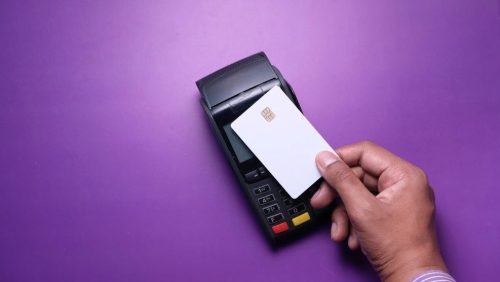
Near-field communication (NFC) is the underlying technology that enables contactless transactions. When two devices that support NFC are close to each other, they can exchange information wirelessly. While NFC provides the technical foundation for contactless payments, it’s not enough on its own to guarantee reliable and secure transactions.
Companies also need specialized hardware and software that work well with NFC and meet specific industry requirements if they want their customers to have a good experience making contactless payments.
Choosing a well-designed cashier system is crucial. Cashier systems today process payments quickly and safely by incorporating multiple levels of security that prevent any fraudulent act or data breaches.
These systems are essential in ensuring that employees and customers in the retail and hospitality industry sector are not only safe but their operations run smoothly.
Why Consumers Love Contactless Payments?
The convenience of contactless payments is mainly attributed to its high speed. With this kind of payment, one does not have to struggle to look for money or waste time with slow chip readers.
By simply tapping the card, one can finish shopping within a few moments. Notably, this kind of ease becomes apparent in packed areas such as malls, coffee houses, and transportation means.
There is also something about hygiene that draws people towards it. Society has become more careful about touching things because of the COVID-19 pandemic.
It was possible to achieve peace of mind and prevent physical contact by using contactless payment, which has become widely accepted among many due to its combination of speed and safety.
Businesses Embrace the Shift
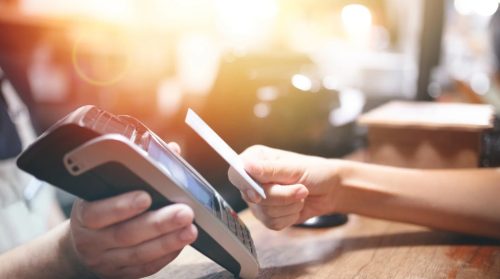
Businesses are adopting contactless payments regardless of their sizes so that they can cater to the needs of their customers. It is now possible for restaurant customers to settle their bills from their tables using portable devices.
In addition, tap-and-go options are promoted by retail stores in the self-service payment area while also embracing them in other sections. The smallest market traders have adopted the use of portable terminals to take payments through contactless cards and digital wallets.
As a result, there are fast transactions, few queues, and satisfied clients. On top of that, companies experience improved cash flow and lower cash management error risks due to quick payment processing.
Contactless Innovations
Certain brands have extended contactless payments. For instance, in London and New York, public transportation systems allow passengers to pay their fares with a simple touch of a contactless card or smartphone on turnstiles.
With such apps, customers can order what they want in advance and make payments through them; hence, they do not have to wait in the queue like other people.
It is possible to get a snack from vending machines very quickly since they accept contactless modes of payment, too, nowadays. These examples reveal that contactless technology is changing our daily activities outside the shops.
Conclusion: A Tap Towards Tomorrow
The manner in which individuals shop, move from place to place, and even eat has been transformed by contactless payments, which have integrated technology into everyday life and served to expedite, secure, and simplify transactions.
Every so often, there are new inventions that completely change how people make payments, using their devices or even with smart cards.
With the increase in this trend, our financial transactions will be changing very rapidly. By making an insignificant touch on it now, we are moving slowly but certainly toward the transaction’s future.