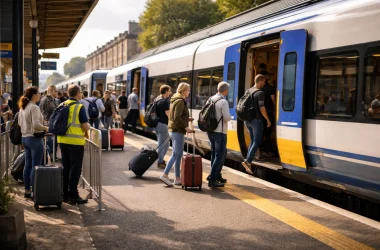
Planning a getaway might feel like the perfect escape, but in 2026, booking a summer holiday requires more careful thought than ever before.
From rising travel costs to uncertainty around flights and global events, the landscape has changed significantly.
While holidays are still very much possible, rushing into bookings without considering potential risks could lead to unexpected stress or financial loss.
At its core, the answer is simple: you shouldn’t avoid travel altogether, but you should plan smarter, stay flexible, and prepare for uncertainty.
Key points to consider before booking:
- Increased risk of flight disruptions and delays
- Rising airfare and accommodation costs
- Jet fuel shortages impacting airline operations
- Limitations in travel insurance coverage
- Growing demand for UK staycations as safer alternatives
Understanding these factors will help you make informed decisions and enjoy a smoother travel experience.
What Factors Should You Consider Before Booking a Summer Holiday?
When considering a summer holiday, it’s important to balance excitement with practicality.
Travel in 2026 is shaped by unpredictable factors such as geopolitical tensions, economic changes, and ongoing airline disruptions. This means planning ahead is more important than ever.
Key Factors to Consider
- Journey reliability and disruptions: Delays, cancellations, and airline staffing issues can affect your travel plans.
- Booking flexibility: Check if flights and hotels allow changes or cancellations without heavy fees.
- Financial protection: Ensure you have travel insurance and understand refund policies.
- Backup planning: Consider alternative destinations or dates in case plans change.
Overall, booking a holiday today is not just about the destination, but about being prepared for potential challenges and responding effectively.
Why Are More UK Travellers Rethinking Their Summer Holiday Plans?
Across the UK, there has been a noticeable shift in how people approach summer travel. Many travellers are reconsidering overseas holidays due to uncertainty surrounding flights, costs, and reliability.
Recent trends show that Britons are increasingly opting for domestic trips or planning multiple options simultaneously.
Families, in particular, are prioritising stability over spontaneity, often booking UK breaks as a backup to international travel.
As one travel industry spokesperson noted:
“We’re seeing a clear behavioural shift—people still want holidays, but they want reassurance and flexibility more than ever before.”
This change reflects a broader mindset: travellers are no longer just chasing destinations; they are seeking peace of mind.
Are Flight Cancellations and Delays Likely to Disrupt Your Trip?
Flight disruptions remain one of the biggest concerns for travellers this year, and understandably so. While airlines are working hard to maintain normal schedules, several underlying pressures continue to create uncertainty.
From operational challenges to external geopolitical factors, the travel environment is far less predictable than it once was.
Even when flights are not cancelled outright, delays, rescheduling, and last-minute changes can still impact your plans. This makes it essential to stay informed and prepared before committing to any bookings.
What Is Causing Airline Disruptions Across Europe?
A combination of operational and external challenges is driving disruption across European air travel. Staff shortages, particularly in ground operations and air traffic control, are still affecting airport efficiency.
At the same time, increased passenger numbers during peak summer months are putting additional strain on already stretched systems.
Airlines are also adjusting their schedules proactively to manage these pressures, which can result in fewer flights or altered departure times.
These changes are often made to avoid larger disruptions later, but they can still affect travellers’ plans.
Key Reasons Behind Ongoing Travel Disruptions
- Jet fuel supply concerns affecting flight frequency
- Increased passenger demand during peak season
- Ongoing geopolitical instability impacting routes
A senior aviation analyst recently stated:
“Airlines are doing their best to maintain schedules, but external pressures—especially fuel supply—mean disruption cannot be ruled out.”
While not every flight will be affected, the level of unpredictability is enough to make travellers cautious. Being aware of these factors allows you to plan with realistic expectations and avoid unnecessary stress.
How Are Jet Fuel Shortages Affecting Summer Holiday Bookings?
Jet fuel shortages have become a major talking point in the travel industry. Concerns about supply disruptions, particularly linked to geopolitical tensions—are influencing airline operations across Europe.
Airlines have already begun trimming schedules to conserve fuel, which can lead to fewer available flights and higher demand for remaining seats. This directly impacts both pricing and availability for travellers.
Impact of Jet Fuel Shortages on Travel:
| Factor | Impact on Travellers |
| Reduced flight schedules | Limited availability and fewer options |
| Increased fuel costs | Higher ticket prices |
| Operational adjustments | Potential last-minute changes or delays |
| Route prioritisation | Some destinations may see reduced service |
These challenges highlight why you should think twice before booking a summer holiday without considering flexibility and alternative options. Being aware of fuel-related disruptions allows you to plan more strategically.
Why Are Summer Holiday Costs Increasing for UK Travellers?
The cost of summer holidays has surged significantly, driven by a combination of fuel price increases, inflation, and high demand.
Airfares alone have risen sharply, with some reports indicating increases of over 20% compared to previous years.
Accommodation costs have also climbed, particularly in popular destinations where demand is outpacing supply. Even UK staycations, once seen as a cheaper alternative, are becoming more expensive.
Price Increase Breakdown:
- Airfares rising due to fuel costs
- Hotel prices increasing with demand
- Package holidays affected by exchange rates and taxes
Despite these increases, demand remains strong. However, travellers are becoming more selective, often weighing whether the experience justifies the cost. Ending on a practical note, understanding where your money is going can help you budget more effectively and avoid overspending.
Can You Rely on Travel Insurance to Cover Unexpected Issues?
Travel insurance is essential, but it is not a catch-all solution. Many travellers assume they are fully protected, only to discover limitations when something goes wrong.
What Does Travel Insurance Typically Cover?
Most standard travel insurance policies include coverage for medical emergencies, trip cancellations under certain conditions, and loss or theft of personal belongings.
Some policies may also offer limited protection against delays, depending on the circumstances.
However, these benefits are only applicable within defined scenarios, which means not every disruption will qualify for compensation.
Limitations and Exclusions You Should Know
- Rescheduled flights within 24 hours may not be covered
- Travel to restricted or high-risk areas may void coverage
- Disruptions caused by extraordinary circumstances may limit compensation
An insurance expert explains:
“The small print matters more than ever—travellers need to understand exactly what their policy does and doesn’t cover before they book.”
Ultimately, travel insurance should be viewed as one layer of protection rather than a complete safety net. Combining insurance with flexible bookings and contingency planning offers a more reliable approach to managing travel risks.
Are Staycations a Better Alternative to Overseas Holidays in 2026?
UK staycations have surged in popularity, offering a more reliable and often less stressful alternative to international travel.
Locations such as Cornwall, Dorset, and the Lake District are seeing increased demand, particularly among families.
This trend is driven by the desire for convenience and reduced risk. Travelling within the UK eliminates many of the uncertainties associated with flights, including cancellations and delays.
However, staycations are not always cheaper. In fact, rising demand has pushed prices higher in some regions.
The key advantage lies in reliability rather than cost, making them an attractive option for those seeking peace of mind.
Should You Book Early or Wait Before Confirming Your Holiday?
Deciding when to book has become more complex. Booking early can secure better prices and availability, but it also increases the risk of committing to plans that may be disrupted.
On the other hand, waiting allows you to monitor conditions, but you may face higher prices or limited choices.
Many travellers are now adopting a hybrid approach, booking flexible options early while keeping alternatives open. This strategy provides both security and adaptability, which are crucial in the current travel environment.
How Can You Reduce Risks When Booking a Summer Holiday?
Minimising risk is essential when planning your trip this year. The key is to prioritise flexibility and preparedness at every stage of the booking process.
Risk Reduction Strategies:
- Choose refundable or flexible bookings
- Avoid non-refundable deals unless necessary
- Have a backup destination or plan
- Monitor travel updates regularly
Flexible vs Non-Flexible Booking Comparison:
| Feature | Flexible Booking | Non-Flexible Booking |
| Cancellation options | Free or low-cost | Often no refund |
| Price | Slightly higher | Usually cheaper |
| Risk level | Lower | Higher |
| Adaptability | High | Limited |
Real-Life Traveller Example
I recently spoke with a traveller who had planned a European holiday but decided to rethink their approach. They shared:
“I booked a villa in Spain but also secured a refundable cottage in Cornwall just in case. With everything going on, I didn’t want to risk losing money or missing out completely.”
They went on to explain how this dual-booking strategy gave them confidence and flexibility. In their words:
“It cost a bit more upfront, but the peace of mind was worth every penny.”
This example shows how smart planning can significantly reduce stress and uncertainty. Ending with a clear takeaway, adopting flexible strategies can make all the difference in ensuring a smooth holiday experience.
Is Booking a Summer Holiday Still Worth It This Year?
Despite all the challenges, booking a summer holiday is still very much worthwhile. Travel continues to offer valuable experiences, relaxation, and a break from routine. The key difference in 2026 is not whether you should travel, but how you approach it.
By taking a more informed and cautious approach, considering risks, staying updated, and prioritising flexibility, you can still enjoy a successful and stress-free holiday. Many trips will go ahead without issues, especially for those who plan carefully.
Ultimately, the goal is not to avoid travel but to make smarter decisions. With the right preparation, your summer holiday can still be both enjoyable and rewarding
Conclusion
Thinking twice before booking a summer holiday does not mean cancelling your plans, it means making smarter choices. From understanding flight risks to managing costs and choosing flexible bookings, every step you take can improve your travel experience.
In 2026, the most successful travellers are those who plan ahead, stay adaptable, and prioritise peace of mind.
Whether you choose an overseas adventure or a UK staycation, the goal is the same: a safe, enjoyable, and stress-free break.
Rather than booking the first deal you see, take time to compare your options carefully. Whether you’re booking months ahead or considering last minute holidays, researching prices and reading the terms and conditions can help you avoid costly mistakes.
Frequently Asked Questions
What should you check before confirming a holiday booking?
You should review cancellation policies, insurance coverage, travel advisories, and airline reliability before confirming your booking to avoid unexpected issues.
How do flexible bookings protect your travel plans?
Flexible bookings allow you to cancel or amend your plans without heavy penalties, reducing financial risk if disruptions occur.
Are airlines reducing flights due to fuel shortages?
Some airlines have adjusted schedules to manage fuel supply concerns, which may result in fewer available flights.
What rights do UK travellers have if prices increase after booking?
If a package holiday price increases by more than 8%, you may have the right to cancel without penalty.
How can you avoid losing money on a cancelled trip?
Booking refundable options, purchasing comprehensive insurance, and avoiding high-risk destinations can help minimise losses.
Why are more people choosing UK destinations this summer?
Many travellers prefer UK destinations due to reliability, fewer disruptions, and easier access without flights.
What are the safest ways to plan a holiday during uncertainty?
Plan ahead, stay informed, choose flexible bookings, and always have a backup option to ensure a smoother experience.