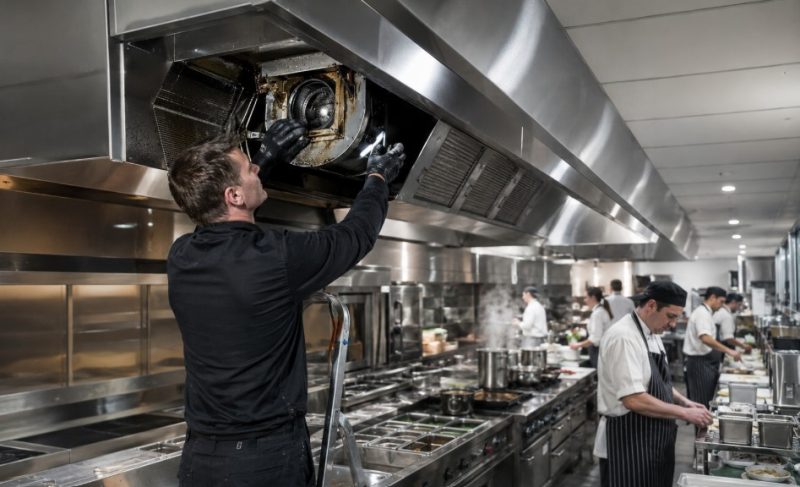
TR19 is the industry-recognised standard for the inspection, cleaning and maintenance of ventilation systems. Developed by the Building Engineering Services Association (BESA), it provides guidance on how commercial kitchen extraction systems should be managed to reduce fire risks and maintain safe working environments.
For restaurants, takeaways, pubs and catering facilities, TR19 compliance is more than a box-ticking exercise. Commercial kitchens generate significant amounts of grease, smoke and airborne contaminants every day. Over time, these substances accumulate within extraction systems, creating conditions that can compromise both safety and operational performance.
One of the primary reasons TR19 is so important is its focus on fire prevention. Grease deposits are highly combustible, and when allowed to build up within extraction systems they can increase the likelihood of a fire spreading rapidly throughout a property. This is particularly concerning in busy commercial kitchens where cooking equipment operates for extended periods each day.
Beyond safety considerations, TR19 also helps businesses demonstrate a proactive approach to maintenance. Environmental Health Officers, insurers and property owners increasingly expect kitchen operators to maintain clean and well-documented extraction systems.
Why the Extractor Fan Is a Critical Part of TR19 Compliance?
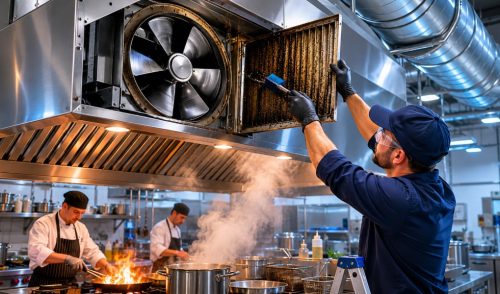
While every component within a kitchen extraction system plays a role in maintaining compliance, the extractor fan is often one of the most important. Responsible for drawing grease-laden air, smoke and heat away from cooking areas, the fan works continuously throughout service and is exposed to a constant flow of airborne contaminants.
As grease passes through the extraction system, small particles can settle on internal fan components. Without regular maintenance, these deposits can accumulate over time, affecting performance and increasing fire risks. Because extractor fans are often located out of sight, they can be overlooked during routine cleaning schedules despite being one of the hardest-working parts of the system.
Some of the most common issues associated with poorly maintained extractor fans include:
|
Issue |
Potential Impact |
| Grease accumulation | Increased fire risk |
| Restricted airflow | Reduced ventilation performance |
| Excessive strain on components | Higher maintenance costs |
| Unpleasant odours | Poor kitchen environment |
| Reduced extraction efficiency | Increased heat and smoke build-up |
For this reason, commercial kitchen extractor fan cleaning should be viewed as a key part of any TR19 compliance strategy. Maintaining a clean extractor fan not only supports safer kitchen operations but also helps ensure the wider extraction system continues to perform as intended.
When businesses focus on the condition of their extractor fan, they are often taking the first practical step towards meeting recognised industry standards and reducing avoidable risks.
The Risks of Neglecting Extractor Fan Cleaning
Failing to maintain a clean extractor fan can create a range of problems for commercial kitchens, many of which develop gradually and go unnoticed until they begin affecting day-to-day operations. While grease build-up is often associated with cleanliness, the consequences extend far beyond appearance alone.
As grease accumulates on fan blades, motors and surrounding components, extraction systems can become less effective at removing heat, smoke and airborne contaminants from the kitchen environment. This can result in uncomfortable working conditions for staff and place additional strain on the system itself.
Some of the key risks associated with neglected extractor fan cleaning include:
- Increased fire hazards due to combustible grease deposits
- Reduced airflow and ventilation efficiency
- Higher energy consumption as systems work harder
- Increased wear and tear on fan components
- Greater likelihood of equipment breakdowns
- Potential concerns during inspections or audits
These risks are one of the reasons many operators invest in routine TR19 duct cleaning alongside regular maintenance of their extraction systems. While the fan plays a critical role, grease deposits can accumulate throughout the wider network of ductwork, creating additional compliance and safety concerns if left unmanaged.
By addressing grease build-up before it becomes excessive, businesses can reduce avoidable risks, support safer kitchen operations and help ensure their extraction systems continue to function efficiently throughout the year.
How Regular Extractor Fan Cleaning Supports TR19 Requirements?
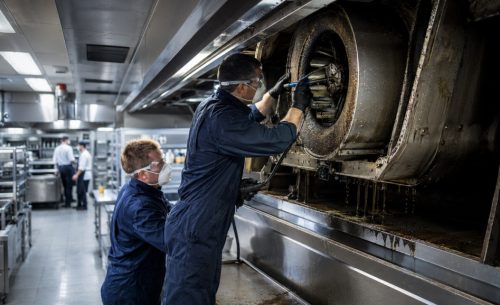
TR19 compliance is built around prevention rather than reaction. Rather than waiting for grease deposits to become a problem, businesses are encouraged to implement ongoing maintenance programmes that help keep extraction systems operating safely and efficiently.
Regular extractor fan cleaning plays an important role in this process. As one of the hardest-working components within a commercial kitchen extraction system, the fan is constantly exposed to grease-laden air, heat and cooking by-products. Without routine cleaning, these contaminants can accumulate on internal surfaces and gradually reduce the system’s effectiveness.
Maintaining a clean extractor fan helps support consistent airflow throughout the kitchen, allowing smoke, heat and airborne grease to be removed more effectively. This not only creates a more comfortable environment for staff but also reduces the likelihood of grease deposits spreading further throughout the extraction system.
From a compliance perspective, regular cleaning demonstrates that a business is taking reasonable steps to maintain its ventilation equipment in line with recognised industry guidance. When combined with scheduled inspections and documented maintenance records, extractor fan cleaning forms part of a wider strategy to reduce fire risks and support ongoing TR19 compliance.
For many commercial kitchens, consistent maintenance is far more effective than dealing with the operational and safety issues that can arise from neglected extraction systems.
Working With a Professional TR19 Cleaning Specialist
While routine maintenance can help reduce grease build-up, achieving and maintaining TR19 compliance often requires specialist expertise. Commercial kitchen extraction systems contain multiple components that can be difficult to access, inspect and clean thoroughly without the appropriate equipment and experience.
A professional contractor can assess the condition of the extraction system, identify areas where grease deposits have accumulated and recommend an appropriate cleaning schedule based on kitchen usage. This is particularly important for high-volume restaurants, takeaways and catering facilities, where extraction systems are exposed to significant levels of airborne grease on a daily basis.
Professional providers also offer detailed inspections and reporting, helping businesses maintain records that demonstrate a proactive approach to system maintenance. These records can prove valuable during audits, inspections or when reviewing health and safety procedures.
Final Thoughts
Many businesses choose to work with specialist industrial cleaning services providers that understand the unique challenges associated with commercial kitchen environments.
By combining technical knowledge with industry best practices, these specialists can help ensure extraction systems remain clean, efficient and compliant throughout the year.
Ultimately, TR19 compliance starts with understanding the condition of your extraction system and maintaining its most critical components. By investing in regular inspections and professional cleaning, businesses can reduce fire risks, support operational efficiency and create a safer environment for both staff and customers.