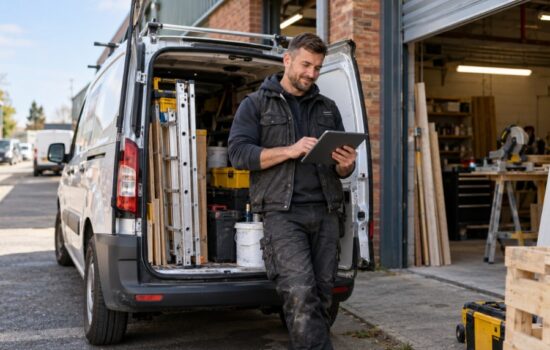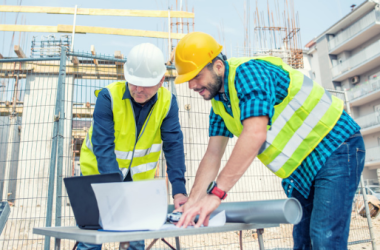
Aluminium turns up in more places than most people notice. Window frames, shopfronts, signage, lighting housings, handrails, cladding panels and even the trim on a car all rely on it.
It’s light, strong for its weight and easy to shape, which is why manufacturers and architects keep coming back to it.
Left untreated, though, aluminium isn’t quite as tough as it looks. That’s where finishing comes in, and anodising is one of the most widely used options for businesses that need metalwork to last.
What Is Anodising?
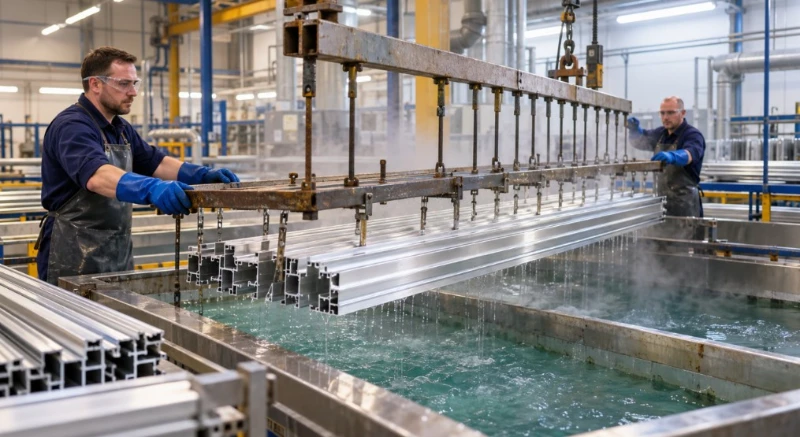
Anodising is an electrochemical process that thickens the thin oxide layer aluminium forms naturally when it’s exposed to air. The metal is placed in an acid electrolyte bath, usually sulphuric acid, and an electrical current is passed through it with the aluminium acting as the anode. That’s where the name comes from.
The result is a hard, controlled layer of aluminium oxide that grows out of the metal itself. Unlike paint or powder coating, it isn’t sitting on top of the surface. It’s part of it.
For anyone comparing finishes, a useful starting point is seeing how anodising aluminium in its natural, uncoloured state keeps the metallic look while adding a durable, corrosion-resistant surface.
Once the layer has formed, its pores are sealed. This locks the surface and improves resistance to staining and weathering.
Why Does It Matter That the Finish Is Integral?
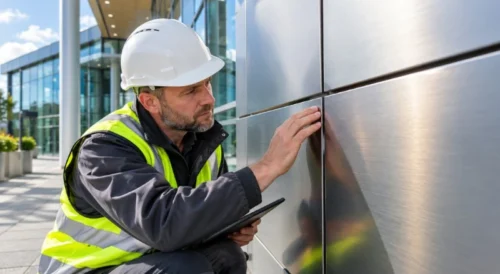
This is the main reason businesses choose anodising over applied coatings. Because the oxide layer is part of the aluminium, there’s nothing to peel, flake or chalk over time.
Applied coatings rely on adhesion, and when adhesion fails, usually at edges, joints or scratches, moisture can get underneath and problems spread.
Anodised surfaces don’t have that weak point. Scratches can still happen, of course, but the finish won’t lift away from the metal around them.
In practice, that means:
- Less risk of finish failure on exposed external metalwork
- Lower long-term maintenance, often just periodic cleaning
- A consistent metallic appearance that doesn’t hide the material
- Good performance in coastal and urban environments where corrosion is a concern
Where Is Anodised Aluminium Used?
Architectural projects are the obvious example. Rainscreen cladding, window systems, curtain walling, louvres and solar shading are all commonly anodised, particularly on commercial buildings where replacing a failed finish would mean scaffolding and disruption.
It’s also popular in retail fit-outs, lighting, marine fittings, interior design and automotive trim. Anywhere a product is handled regularly or exposed to the weather, a harder surface makes sense.
How Does Anodising Compare With Powder Coating?
Powder coating is often cheaper upfront and offers an almost unlimited choice of colours. For some applications, that makes it the right choice.
The trade-off is lifespan and maintenance. A powder-coated finish can fade, chalk or lose adhesion over the years, especially on south-facing elevations or in harsh environments. Anodising offers a narrower colour palette, but the finish tends to age more predictably.
Natural or clear anodising is also generally the most affordable anodic finish, which makes it a sensible middle ground for projects working to a tighter budget.
There’s a sustainability angle too. Anodised aluminium has no added paint layer, so it can be recycled at the end of its life without stripping.
Recycled aluminium needs only a fraction of the energy used to produce primary metal, which matters to businesses reporting on the environmental impact of their buildings and products.
What Standards Should Businesses Look For?
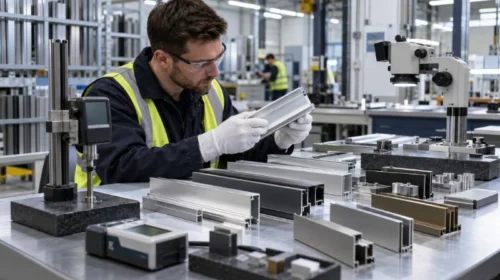
In the UK, BS 3987 sets out the requirements for anodic coatings on aluminium used in external architectural applications, including minimum coating thickness. Internationally, the Qualanod quality label is widely recognised by specifiers.
Asking a supplier to confirm which standards their finish meets is a quick way to avoid problems later. Coating thickness, sealing quality and colour consistency between batches all affect how a finish performs over decades, not just on the day it’s installed.
Is Anodising the Right Choice?
It depends on the project. Businesses that need a specific bright colour may still lean towards powder coating. For metalwork that’s expected to last for decades with minimal upkeep, especially on the outside of a building, anodising is hard to overlook.
Thinking about the whole life of a finish, rather than just the initial price, usually leads to better decisions. The cheapest option on paper can become the most expensive one once maintenance, repairs and replacement are factored in.
Frequently Asked Questions
Does anodised aluminium rust?
Aluminium doesn’t rust in the way steel does, because it contains no iron. It can corrode, however, and anodising adds a thicker protective oxide layer that improves its resistance significantly.
Can anodised aluminium be coloured?
Yes. Colour can be added through dyes or through electrolytic colouring, which deposits metal salts within the pores to create shades such as bronze and black. Natural anodising leaves the metal’s silver tone visible.
How long does an anodised finish last?
Properly specified and maintained, architectural anodised finishes can last for decades. Performance depends on coating thickness, sealing quality and the environment.
How is anodised aluminium cleaned?
Usually with warm water, a mild detergent and a soft cloth or sponge. Abrasive cleaners and harsh chemicals should be avoided.