
The National Health Service is one of the UK’s most vital public institutions, employing around 1.5 million people and providing care to millions each year. However, recent figures showing incompetent NHS staff sacked in record numbers have triggered widespread debate.
Official workforce data indicates that nearly 7,000 NHS employees were dismissed during 2024–25, up sharply from around 4,000 just two years earlier, the highest level since records began.
This rise comes amid staffing shortages, mounting pressure on services, and a renewed political focus on accountability, raising important questions about performance standards, patient safety, and the future stability of the NHS workforce.
What Triggered the Surge in NHS Staff Being Sacked?

The recent increase in dismissals did not happen overnight. Instead, it reflects a convergence of policy decisions, workforce pressures and long-standing concerns about accountability within the NHS.
Key factors behind the rise:
- Political pressure for reform: Ministers have faced growing criticism over NHS performance, including long waiting lists and patient safety concerns.
- New performance metrics: The introduction of league tables for NHS trusts has brought greater transparency and scrutiny.
- Capability-focused action: More staff are being dismissed on capability grounds, meaning they are deemed unable to meet the basic requirements of their role.
At the heart of this shift is a more assertive approach from government. Wes Streeting has repeatedly emphasised that underperformance will no longer be tolerated, particularly at management level. This message has filtered down through NHS England, encouraging trusts to take firmer action where problems persist.
“People who can’t – or won’t – do their job should be sacked. The NHS needs to significantly up its game.”
Gareth Lyon, Head of Health and Social Care, Policy Exchange
For years, critics argued that the NHS was reluctant to dismiss underperforming staff, especially managers. The latest figures suggest that this culture may finally be changing, albeit not without controversy.
How Does the NHS Define ‘Incompetence’ or Capability Issues?
Understanding why NHS staff are sacked requires clarity about what constitutes incompetence. In NHS terms, most recent dismissals fall under the category of capability, rather than misconduct.
Capability refers to an employee’s ability to perform their role to the required standard. This may relate to clinical skills, decision-making, communication, leadership or adherence to procedures.
Importantly, capability is distinct from misconduct, which involves breaches of rules or professional behaviour, and redundancy, which is linked to organisational change rather than individual performance.
Common grounds for NHS dismissal
| Ground for dismissal | Description | Typical examples |
| Capability | Inability to meet job requirements | Consistent clinical errors, failure to meet performance targets |
| Misconduct | Breach of rules or standards | Gross negligence, falsifying records |
| Redundancy | Role no longer required | Service restructuring, funding cuts |
More than half of recent dismissals have been capability-related, highlighting a growing willingness to address performance issues that may previously have been managed informally or left unresolved.
Why Is the Zero Tolerance Policy Being Enforced Now?
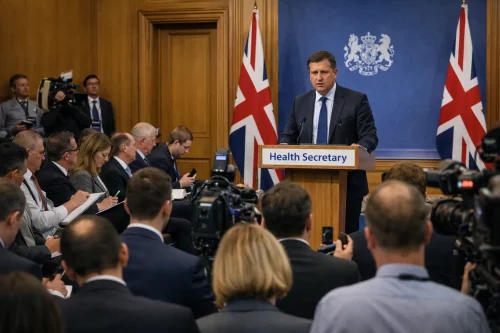
The timing of the zero tolerance approach is closely linked to the broader challenges facing the NHS. After years of strain, including the pandemic and its aftermath, there is a sense within government that incremental change is no longer sufficient.
Streeting’s pledge in late 2024 marked a clear turning point. By linking performance outcomes to consequences, including dismissal, the policy aims to drive cultural change across the organisation. Ministers argue that patients deserve consistently high standards of care and that failing to address underperformance undermines public trust.
“There will be no more rewards for failure.”
Wes Streeting, Health Secretary
Supporters of the policy see it as overdue. Think tanks such as Policy Exchange have pointed out that many NHS bodies had not dismissed a single manager for performance reasons in recent years, even those placed in special measures.
Critics, however, warn that a punitive approach could worsen morale in an already stretched workforce.
Who Are the NHS Staff Most at Risk of Dismissal?
While headlines often focus on frontline clinicians, the reality is more nuanced. Dismissals span a wide range of roles, from administrative staff to senior managers and clinical professionals.
Patterns emerging from the data suggest that:
- Managers and senior leaders are under increased scrutiny due to league tables and performance benchmarking.
- Clinical staff may face capability procedures where patient safety or clinical competence is questioned.
- Long-standing underperformers are more likely to be dismissed as historical issues are finally addressed.
Despite the record numbers, the overall proportion of NHS staff dismissed remains low. In 2024–25, fewer than 0.5 per cent of the total workforce were sacked, a figure significantly lower than dismissal rates in the private sector.
How Do NHS Disciplinary Procedures Work in Practice?

NHS disciplinary and capability procedures are designed to be structured and fair, balancing organisational standards with employee rights.
Typical stages of the capability process:
- Initial identification: Concerns are raised through appraisals, complaints or incident reports.
- Informal support: Training, mentoring or supervision may be offered to address issues early.
- Formal review: If problems persist, a formal capability process begins, involving HR and management.
- Outcome decision: This may result in redeployment, continued monitoring or dismissal.
Trade unions and professional bodies are often involved, particularly in clinical cases, to ensure due process. While the system is intended to support improvement, critics argue that it can be slow, allowing underperformance to continue for years before decisive action is taken.
What Are the Financial and Operational Impacts of Sacking Staff?
Dismissals carry significant costs, both financially and operationally. Research by Skills for Health estimates that replacing a dismissed NHS employee costs an average of £6,500, factoring in recruitment, training and temporary cover.
Estimated Cost Implications
| Impact area | Estimated effect |
| Recruitment and training | £6,500 per replacement |
| Short-term staffing gaps | Increased agency spending |
| Service disruption | Delays to patient care |
At a time when the NHS is already grappling with staffing shortages, the loss of experienced workers can exacerbate pressures. However, supporters of tougher performance management argue that retaining underperformers is even more costly in the long run, particularly when patient safety is at stake.
Jon Freegard of Skills for Health has described the rise in dismissals as “regrettable” but likely reflective of prolonged underperformance finally being addressed. He has also raised a critical question: why underperformers become so expensive to replace, suggesting deeper structural issues within workforce planning.
How Do NHS Dismissal Rates Compare with the Private Sector?
When viewed in isolation, the figure of nearly 7,000 dismissals appears dramatic. However, context is essential. With a workforce of 1.5 million, the NHS dismissal rate remains well below that of the private sector.
| Sector | Typical dismissal rate |
| NHS | Less than 0.5% |
| Private sector | 2–3% |
This comparison has been used by ministers to argue that the NHS has historically been too lenient, rather than excessively harsh. Critics counter that the nature of healthcare work, with its emphasis on professional regulation and patient safety, makes direct comparisons difficult.
Could Early Intervention and Support Reduce Dismissals?

One area of broad agreement is the importance of early intervention. Many experts believe that dismissals often represent a failure to address problems sooner.
Support mechanisms such as targeted training, mentoring and clearer performance feedback could help prevent issues from escalating. Skills for Health has argued that some employees could improve significantly if given the right support at the right time.
Former Health Secretary Steve Barclay has highlighted what he sees as a deeply ingrained culture within the NHS, where complaints are viewed as problems rather than opportunities for improvement. Addressing this cultural issue may be as important as any policy change.
What Does the Future Hold for NHS Workforce Management?
Looking ahead, it seems likely that performance management will remain a central focus of NHS reform. League tables, transparency and accountability are expected to play an even greater role, particularly for senior leaders.
However, the challenge will be striking the right balance. A system that is overly punitive risks damaging morale and deterring talented professionals, while one that is too lenient risks undermining patient care and public confidence.
The record number of NHS staff sacked may therefore represent not an end point, but the beginning of a broader and more complex transformation.
Conclusion
The rise in NHS staff sacked in record numbers reflects a decisive shift in how performance and accountability are handled within the health service.
Driven by political pressure, transparency measures and a zero tolerance approach to incompetence, the changes aim to raise standards and restore public confidence. Yet, they also highlight deeper challenges around workforce support, culture and sustainability.
Whether this approach ultimately strengthens the NHS will depend on its ability to balance firmness with fairness, and accountability with compassion.
Frequently Asked Questions
What are considered sackable offences in the NHS?
Sackable offences typically include gross misconduct, serious breaches of professional standards and persistent failure to meet role requirements under capability procedures.
How many NHS staff were dismissed in 2024–25?
Almost 7,000 staff were dismissed, the highest number since records began in 2011.
Is being sacked for capability the same as misconduct?
No. Capability relates to performance and ability, while misconduct involves behavioural or ethical breaches.
Are NHS managers included in the recent dismissals?
Yes. Increased scrutiny through league tables has placed managers under greater pressure to perform.
Do dismissed NHS staff have the right to appeal?
Yes. NHS procedures include the right to appeal and access union or professional representation.
Why does replacing NHS staff cost so much?
Costs include recruitment, training, induction and temporary staffing to cover vacancies.
Will the zero tolerance policy continue long term?
Current indications suggest performance management reforms will remain a key part of NHS policy in the coming years.