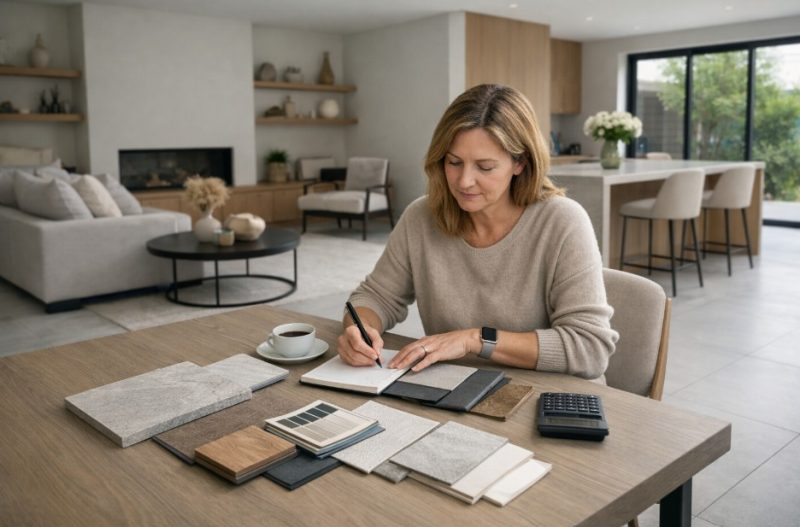
Designing a high-end home is often perceived as a pursuit reserved for expansive budgets, yet contemporary material innovation and strategic specification have fundamentally reshaped this assumption. By prioritising precision-engineered surfaces, scalable formats, and intelligently sourced materials, homeowners can achieve a refined, architectural aesthetic without excessive expenditure.
Partnering with a reputable tile specialist in the UK allows access to curated, design-led collections that balance visual impact with cost-efficiency, enabling a seamless blend of luxury and practicality.
As noted by the Royal Institute of British Architects, “material selection plays a critical role in both the perceived and actual value of a space,” reinforcing the importance of informed design decisions in modern residential projects.
How to Design High-End Home Without Overspending Using Smart Materials and Layouts?
Precision and Scale: The Foundations of Luxury Design
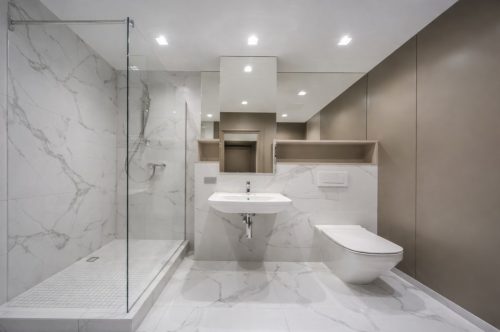
A defining characteristic of high-end residential design lies in the precision of its material execution. Surfaces that appear seamless, aligned and uninterrupted contribute significantly to the perception of quality.
This is where rectified tiles become integral. Mechanically finished to exact dimensions after firing, rectified porcelain allows for exceptionally tight grout joints, often as narrow as 1 to 2 mm, resulting in a refined, near-continuous surface. This level of precision reduces visual disruption and creates a cleaner, more architectural finish that is typically associated with premium interiors.
Scale is equally critical in achieving a high-end aesthetic. Large-format porcelain minimises the number of grout lines across both floors and walls, allowing surfaces to read as cohesive planes rather than segmented sections.
This not only enhances the perception of space but also introduces a sense of calm and uniformity within the design. When combined with precision-cut edges, larger formats deliver a sophisticated, gallery-like appearance that elevates even modestly sized rooms without increasing material complexity or cost.
Replicating Natural Materials Through Advanced Porcelain
One of the most effective ways to achieve a high-end aesthetic without exceeding budget constraints is through the use of advanced porcelain surfaces that replicate natural materials. Marble, stone and onyx have long been associated with luxury interiors due to their depth, veining and organic variation.
However, natural materials often come with significant drawbacks, including high cost, ongoing maintenance requirements and material inconsistencies.
Modern porcelain manufacturing overcomes these limitations through high-definition digital printing and controlled firing processes, producing surfaces that closely emulate the visual complexity of natural stone while maintaining uniformity across each tile.
This technological precision allows homeowners to introduce premium design elements such as marble-effect flooring or onyx-inspired feature walls without the structural and financial implications of sourcing natural slabs.
Porcelain also offers superior performance characteristics, including low porosity, resistance to staining and enhanced durability under daily wear. The result is a material solution that delivers both visual sophistication and long-term practicality, enabling a refined interior scheme that aligns with high-end design standards while remaining commercially efficient.
Texture, Depth and Architectural Detail
Luxury in contemporary interiors is no longer defined solely by material choice, but by how surfaces interact with light and space. Textured finishes such as fluted and slatted porcelain tiles introduce a layer of architectural depth that elevates otherwise flat surfaces.
These profiles create subtle shadow lines and vertical rhythm, adding movement and dimension to walls without the need for additional decorative elements. This approach allows homeowners to achieve a high-impact design feature while maintaining a controlled and cohesive aesthetic.
In practical terms, textured porcelain offers a cost-effective alternative to bespoke joinery or panelling, which can be significantly more expensive and labour-intensive. Fluted and slatted formats can be used strategically in areas such as feature walls, bathroom elevations or fireplace surrounds to create focal points that feel considered rather than excessive.
By incorporating texture as a design language, it becomes possible to enhance spatial interest and visual sophistication without introducing unnecessary complexity or cost into the project.
Smarter Sourcing: The Value of Direct-Import Materials
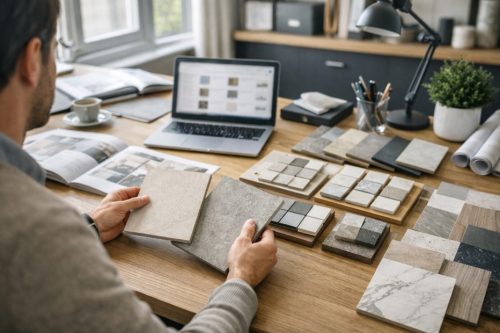
Achieving a high-end finish is not solely dependent on design choices, but also on how materials are sourced. Traditional supply chains often involve multiple intermediaries, each adding a margin that inflates the final cost without necessarily improving product quality.
Direct-import models remove these layers, allowing suppliers to maintain closer control over manufacturing standards while offering more competitive pricing. This approach ensures that homeowners can access premium-grade porcelain surfaces without the disproportionate costs typically associated with luxury materials.
In addition to cost efficiency, direct sourcing enables a more curated and design-led product offering. Rather than relying on mass-market ranges, collections can be selected based on current architectural trends, including large-format formats, marble and stone aesthetics, and textured finishes such as fluted or slatted designs.
Many of these ranges are available as exclusive or online-only collections, meaning they are less likely to be replicated across multiple projects. This level of exclusivity contributes to a more distinctive and refined interior, reinforcing the overall perception of quality without exceeding budget constraints.
Creating Cohesion Across Interior and Exterior Spaces
A key principle in high-end residential design is continuity between interior and exterior environments. Rather than treating outdoor areas as separate or secondary spaces, modern design approaches favour a unified material palette that flows seamlessly from inside to outside.
Porcelain surfaces are particularly well suited to this application due to their durability, low water absorption and resistance to temperature fluctuations.
By extending the same or complementary finishes across thresholds, homeowners can create a sense of spatial expansion that enhances both functionality and visual appeal.
Outdoor porcelain cladding and paving further support this cohesive approach by offering consistent aesthetics without compromising on performance. Slip-resistant finishes, increased thickness for load-bearing applications and resistance to fading ensure that external areas maintain their appearance over time.
This integration of indoor and outdoor design not only elevates the overall architectural quality of a home but also maximises the perceived value of the space, delivering a premium finish that feels intentional, balanced and enduring.
Conclusion
Designing a high-end home without overspending is ultimately a matter of informed specification rather than excessive investment. By prioritising precision-engineered materials, embracing large-format surfaces, and selecting porcelain finishes that replicate natural stone, homeowners can achieve a refined and contemporary aesthetic with lasting performance.
When combined with textured design elements, cohesive indoor-outdoor transitions and the cost efficiencies of direct-import sourcing, the result is a space that feels considered, architectural and distinctly premium.
Through strategic choices and access to curated, design-led collections, it becomes entirely possible to realise luxury living without the financial burden traditionally associated with it.