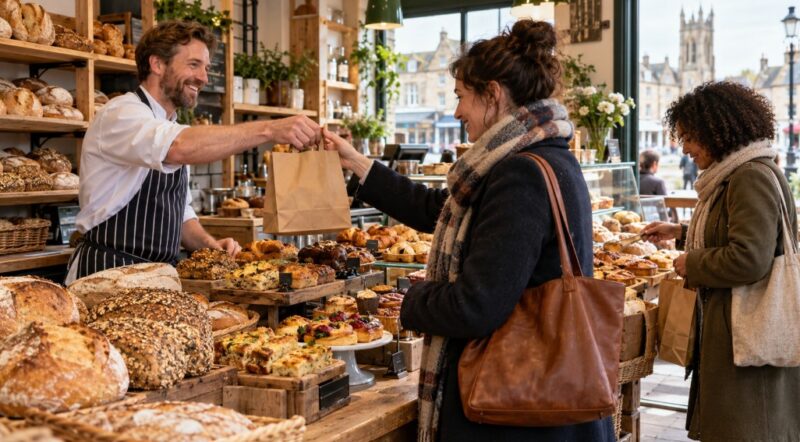
Local bakeries don’t compete solely on the scent of fresh bread or a recognisable tradition of a recipe. Consumers now look for convenience, value, nutrition, presentation and where ingredients come from before deciding what to buy.
These changes are forcing small bakeries to reimagine traditional baked goods, but maintain their personal connection.
When customers are looking for a bakery near me, they tend to focus more on local shops. They may want fresh baked goods, fast service, helpful options and value for their money. This is why local bakeries are adapting to changing consumer trends. Here is how they do it.
How Are Customer Expectations Changing for Bakeries?
1. Making Everyday Choices More Convenient
Today’s busy lifestyle has influenced the buying habits for baked goods. 40% of customers are buying items they can easily carry, and 29% are making food purchases they can eat while on the go and/or order in advance, and 17% want smaller portions so they can enjoy treats for different budgets.
Urbanisation and the way people live their day-to-day lives also help to drive demand for convenient baked goods and snacks.
Digital tools are playing a key role in this transition. By leveraging social media, a bakery will be able to promote new products, accept advance orders, as well as gain insights into what is being viewed.
By adopting straightforward online payment and pick-up systems, waiting time can be minimised. These tools should not be used as replacements for good baking, but they can help small businesses to stay connected with their customers and make it easier to buy.
2. Balancing Taste, Health and Sustainability
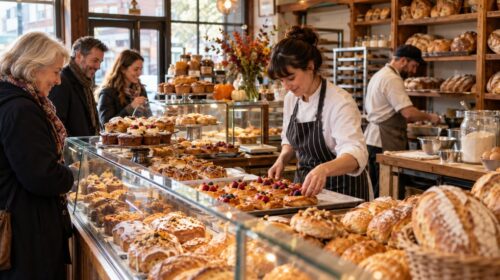
Customers are more interested in foods that are tasty while making effective nutrition and environmental statements.
Current bakery research reveals that products that contain ingredients like seeds and grains and sourdough continue to be areas of great interest, as is the need for better packaging options to be recycled and more information on ingredients.
3. Creating Value Without Losing Identity
For small bakeries, adaptation becomes more difficult with increasing costs. Some companies can add value by offering seasonal products, or by utilising ingredients efficiently, all without the increased costs associated with higher price increases.
The goal is to provide an obvious incentive to reorder with the bakery and ensure the bakery can be operated in an environmentally responsible manner.
Technology also plays a role in gaining a better understanding of demand for bakers. Information on sales patterns can be determined from sales records and guide production plans and lead to less overbaking.
When combined with direct customer feedback, it can be used to back up their decision-making processes without undeniably replacing the human element in a local bakery.
In conclusion, local bakery, as of late, is more responsive, flexible and customer-oriented. Convenience, fresh ideas, responsible sourcing and evolving expectations for nutrition may be key factors in its future.
When a small bakery “listens” to its customers and applies these strategies appropriately, it can change while maintaining the public’s interest in the original business.