


The British Royal Family’s wealth and financial privileges have long sparked public curiosity and debate, particularly when it comes to tax. One question that continues to surface is whether the Royal Family pays inheritance tax like ordinary UK citizens.
With rising calls for transparency and fairness in public finance, the monarchy’s unique tax arrangements are facing growing scrutiny.
This blog explores the legal framework that exempts the reigning monarch and the heir from inheritance tax, the historical agreements behind it, and how this contrasts with the tax treatment of other family members.
We’ll also examine whether voluntary tax payments by the royals are enough to maintain public trust in a modern democratic society where accountability matters more than ever.
Why Is the Royal Family’s Tax Status a Topic of Public Interest?
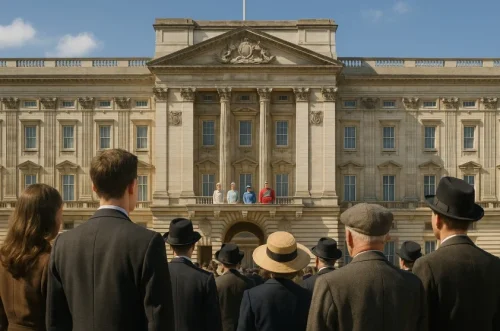
The British royal family’s tax status continues to attract public attention due to ongoing debates about fairness and transparency. As the monarchy receives funding through the Sovereign Grant, many question whether its members should also enjoy special tax privileges.
One of the most controversial issues is the exemption from inheritance tax granted to certain royals, even though most UK estates over £325,000 face a 40% tax rate.
This perceived disparity fuels public concern that the monarchy operates under a separate financial standard. In an era focused on equality and accountability, such exemptions appear increasingly outdated.
Following major transitions, including the death of Queen Elizabeth II, renewed scrutiny has emerged over how royal wealth is handled and whether these long-standing privileges should continue in modern Britain.
Do the Royal Family Pay Inheritance Tax?
The royal family does not pay inheritance tax in the same way as ordinary citizens. The reigning monarch and the Prince of Wales are exempt from this tax on assets passed between them under a 1993 agreement known as the Memorandum of Understanding.
This arrangement was established to preserve the monarchy’s financial stability and prevent the gradual loss of Crown assets.
When Queen Elizabeth II passed away, King Charles III was not required to pay inheritance tax on what he inherited, including estates such as the Duchy of Lancaster.
It’s important to note that Crown properties, like Buckingham Palace, belong to the state, while private residences such as Sandringham and Balmoral are personal holdings. Both royals voluntarily pay income tax, though not by law.
How Is Royal Wealth Passed Down Without Triggering Tax?

The way in which wealth is transferred within the royal family is unique and carefully structured to ensure minimal taxation. This is particularly evident in transitions between sovereigns and their heirs.
The Role of the Memorandum of Understanding
The 1993 Memorandum of Understanding formalised the exemption of the sovereign from inheritance tax. The rationale was to avoid the disintegration of the monarchy’s functional wealth, ensuring that the institution remains stable and intact during successions.
Assets are passed down intact between monarchs, shielding them from tax deductions that could impair the monarchy’s operations and responsibilities.
This memorandum clearly outlines that inheritance tax does not apply to transfers between the sovereign and their immediate heir, specifically the Prince of Wales. These transfers can include valuable private estates and income-generating properties such as the Duchy of Cornwall.
Legal Definitions and Asset Categories
A critical aspect of inheritance planning within the royal family lies in the classification of assets. Broadly, these fall into three categories:
| Asset Type | Ownership | Tax Treatment |
| Crown Estate | Owned by the Crown (public) | Not taxable; not personal property |
| Personal Property (e.g., Sandringham) | Private ownership by monarch | Exempt if passed to heir (monarch or Prince of Wales) |
| Duchy Estates (Lancaster & Cornwall) | Held in trust for monarch and heir | Income is taxed voluntarily; assets not subject to inheritance tax when passed |
The differentiation between public and private wealth plays a vital role in how these assets are inherited and taxed, or exempted, from taxation.
Is the Monarch Legally Obliged to Pay Tax on Inherited Assets?
The monarch is not legally obligated to pay inheritance tax on inherited wealth. This unique status applies only to the sovereign and, to a lesser extent, the heir apparent, typically the Prince of Wales.
While the monarch does voluntarily pay income tax, this is not mandated by law. The 1993 agreement was intended to introduce a degree of transparency and goodwill but falls short of full parity with the taxation rules applicable to the general public.
Why This Exemption Exists?
The rationale behind the legal exemption is primarily institutional preservation. If the monarch’s assets were to be taxed at each succession, it could lead to the fragmentation of wealth that supports royal duties.
Critics argue, however, that this logic no longer holds in a modern democratic society where all citizens are subject to tax, regardless of status.
Furthermore, the legal exemption creates a two-tier tax system, fuelling public debate about fairness and accountability in the UK’s taxation laws.
What Happened to Queen Elizabeth II’s Estate After Her Death?
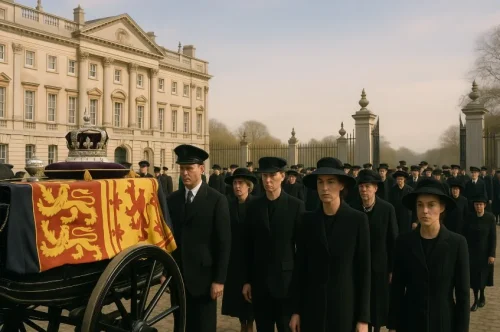
Following Queen Elizabeth II’s death in 2022, the transition of her private wealth to King Charles III brought the topic of royal inheritance tax back into public discourse.
While specific figures are not publicly disclosed, it is widely believed that the Queen left behind personal assets valued in the hundreds of millions, including:
- Balmoral Castle
- Sandringham House
- A vast art and jewellery collection
- Personal investments and savings
Under normal circumstances, such an estate would incur a 40% inheritance tax if it exceeded the £325,000 threshold. However, due to the monarch’s exemption, these assets were transferred tax-free to King Charles III.
This transfer reignited debates over whether such legal immunities are justified in a modern democracy. Although King Charles continues to voluntarily pay income tax, this does not extend to inheritance, highlighting the limitations of voluntary compliance in the face of growing public expectations for reform.
Do Royal Tax Exemptions Apply to All Family Members?
No, inheritance tax exemptions only apply to the reigning monarch and their direct heir. Other members of the royal family are subject to standard UK inheritance tax laws, just like any other UK resident.
This was clearly demonstrated in the estates of Princess Diana and Princess Margaret. Both had their assets processed under normal tax regulations, with their beneficiaries facing the usual 40% tax rate on portions of the estate above the nil-rate band.
Inheritance Tax on Non-Sovereign Royal Estates
When Princess Diana died in 1997, her estate was reported to be approximately £21 million. Her sons, Princes William and Harry, were beneficiaries of the estate, which was subject to inheritance tax. A substantial portion of the estate was paid to HMRC before the remaining amount was placed in trust for the princes.
This illustrates that only the sovereign and their heir enjoy special tax privileges; others within the royal family follow standard legal procedures.
Why Do the Royals Make Voluntary Tax Contributions?
In response to mounting public pressure during the early 1990s, the late Queen Elizabeth II agreed to voluntarily pay income tax on her private income.
This was formalised in a letter to the then Prime Minister and included income from:
- The Duchy of Lancaster, a portfolio of land, property and assets providing income to the reigning monarch
- Personal investments and properties
- Private estates such as Balmoral and Sandringham
While this voluntary tax arrangement was welcomed at the time, it falls short of mandatory legal compliance. The voluntary nature of the tax payments means that, at any time, the monarch or heir could choose to cease such contributions without breaking the law.
Could Inheritance Tax Rules for the Royals Be Reformed?

The royal inheritance tax exemption is not enshrined in constitutional law and could theoretically be reformed or revoked by Parliament. However, such a move would be politically sensitive, involving complex discussions around constitutional conventions, royal prerogatives, and the future of the monarchy.
There have been increasing calls from campaigners and certain MPs to reassess the royal family’s tax privileges, particularly in light of ongoing cost-of-living concerns and the need for fairer public finance.
Possible Reforms to Royal Taxation:
| Proposal | Impact | Feasibility |
| Mandatory inheritance tax on royal estates | Increased fairness; alignment with public tax | Requires legislative change |
| Full public disclosure of royal finances | Enhances transparency and trust | Resistance from Royal Household |
| Independent audits of royal wealth | Oversight of compliance and value | Requires legal framework |
Reforming these arrangements would likely face significant resistance, not just from the royal family but from traditionalists and legal advisors concerned with preserving the monarchy’s apolitical status.
How Do These Tax Privileges Influence Public Trust in the Monarchy?
Public trust in the monarchy is inextricably linked to perceptions of fairness, duty, and transparency. While many still view the royal family as a vital part of British culture and tradition, the tax privileges afforded to them can undermine their credibility, particularly in times of economic hardship.
Many argue that such privileges alienate the monarchy from the realities of everyday life, where ordinary families face heavy tax burdens when passing down property or wealth.
Others see the monarchy’s voluntary tax payments as a symbolic gesture, insufficient to meet modern standards of financial equality and accountability.
For an institution that relies heavily on public goodwill, the issue of inheritance tax is more than a legal technicality, it is a test of legitimacy in the eyes of a 21st-century electorate.
Conclusion
The question of “Do the Royal Family pay inheritance tax?” reveals a deep and complex intersection of tradition, legality, and modern public expectation.
While the monarch and the heir to the throne enjoy legal exemptions from inheritance tax, the growing demand for fairness and transparency challenges the status quo.
Although the royal family has taken steps toward financial openness through voluntary income tax contributions, the exemption from inheritance tax remains a contentious issue, particularly during periods of economic pressure.
As Britain continues to evolve, so too will the debate around how its oldest institution fits within a modern framework of accountability and equality. Whether through legislation or increased public scrutiny, the pressure for reform in royal tax affairs is unlikely to fade.
Frequently Asked Questions
Are royal estates like Sandringham and Balmoral subject to inheritance tax?
These private estates are considered the personal property of the monarch. If passed to the immediate heir (the next monarch), they are exempt from inheritance tax under the 1993 agreement. If inherited by other family members, standard tax rules would apply.
Does the Duchy of Cornwall count as personal inheritance?
No, the Duchy of Cornwall is not personal property. It is a hereditary estate held in trust for the Prince of Wales and cannot be sold or passed on as private inheritance. However, the transition of control is not subject to inheritance tax.
What role does Parliament play in royal tax arrangements?
Parliament holds the authority to legislate tax laws, including exemptions. While royal tax agreements are made with government consent, Parliament could revoke or revise these arrangements with majority support.
How much did King Charles inherit from the Queen?
Exact figures are undisclosed, but it is widely believed that King Charles inherited assets worth over £500 million, including private estates, personal investments, and collections. None of these were subject to inheritance tax.
Are there transparency laws covering royal finances?
No formal legislation requires the royal family to publish full financial disclosures. Some voluntary reports are made public annually, but there is no legal obligation for detailed transparency.
Do any other European monarchies pay inheritance tax?
In several European monarchies, including those in Sweden and the Netherlands, royal families are not exempt from inheritance tax and often have more transparent financial arrangements.
Has public opinion influenced royal tax policies before?
Yes, public criticism in the 1990s led to the voluntary payment of income tax by the monarch. However, this was a political concession rather than a legislative mandate.