
In the UK, giving or receiving cash gifts is a common occurrence, whether it’s for a wedding, birthday, or simply a generous family gesture.
However, not everyone is clear on whether such gifts need to be declared to HMRC. Understanding when a gift becomes taxable, what exemptions apply, and how to properly record and report gifts is essential.
This blog explores in detail what constitutes a cash gift, when it may become taxable, and the guidelines to stay compliant with UK tax laws.
What is a Cash Gift?

A cash gift is the transfer of money from one person to another without receiving anything in return. These gifts can range from small amounts for occasions like birthdays to larger sums meant to support life events, such as helping with a house deposit.
Under HMRC rules, a gift isn’t limited to cash. It can also include personal items, property, shares, or financial advantages. For instance, if a parent sells a house worth £500,000 to their child for £300,000, the £200,000 difference is treated as a gift.
If the giver continues to benefit from the asset, such as living in the home after transferring it, it may be classed as a “gift with reservation of benefit,” which could have tax implications.
Understanding the type of gift and how it’s given is important when assessing whether it needs to be declared or could be taxed under UK inheritance tax rules.
Do I Need to Declare Cash Gifts to HMRC?
Most casual or occasional gifts of money, particularly from friends or family, do not require declaration to HMRC. In general, these are not treated as income and therefore are not subject to income tax.
However, certain cash gifts can have long-term tax implications, particularly when large sums are involved or if the donor passes away within seven years of making the gift.
If the total value of gifts exceeds available exemptions and allowances, it could trigger inheritance tax liabilities.
Though recipients are usually not obligated to report small gifts, it’s sensible to maintain accurate records for transparency and future estate planning.
What Are the HMRC Rules for Cash Gifts in the UK?
HMRC does not impose a specific tax on cash gifts at the point of giving or receiving, but rules apply if gifts exceed certain thresholds or fall within specific categories.
Key HMRC rules include:
- Gifts are not taxed as income.
- Gifts may be subject to inheritance tax if the donor dies within 7 years.
- The recipient may become liable for tax if exemptions are exceeded.
- Gifts between spouses and civil partners are usually tax-free.
Triggering events for declaration:
- Gift exceeds £3,000 annual exemption.
- The donor dies within 7 years of giving.
- The gift includes assets such as property or shares.
- A gift is made with reservation of benefit.
Understanding these rules can help avoid unexpected tax issues, especially for high-value or repeated gifts.
What Types of Assets Count as Gifts?
While cash is the most commonly discussed gift type, several other assets can also qualify as gifts under HMRC’s inheritance tax guidelines.
Gifts may include:
- Monetary transfers such as bank deposits or cheques.
- Personal items like jewellery, cars, and artwork.
- Property including residential homes or land.
- Stocks, shares, and investment bonds.
- Assets sold below market value (the undervalued portion is considered a gift).
Examples:
- Selling a property for less than market value.
- Transferring stocks to a family member without payment.
- Gifting expensive items such as antiques or luxury items.
These forms of assets are important to recognise as they may also impact the inheritance tax calculation if not documented or valued correctly.
When Does a Cash Gift Become Taxable in the UK?
Cash gifts are generally not taxed at the moment they are given or received. However, they can become subject to inheritance tax (IHT) under specific conditions.
The taxability of a gift depends on its value, the timing of the gift, and the relationship between the donor and recipient.
The Seven-Year Rule
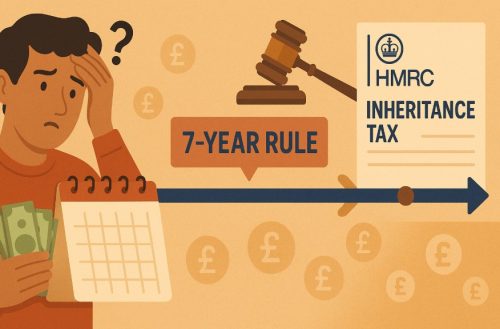
The “seven-year rule” is critical. If a donor gives a large cash gift and dies within seven years, the value of that gift may be added back into the estate for inheritance tax purposes. If the donor survives for more than seven years after giving the gift, it becomes exempt.
Who Pays the Tax?
The recipient is typically responsible for paying the inheritance tax if the gift falls outside of exemptions and the estate cannot cover it. Executors are also required to make enquiries into lifetime gifts during probate, which makes documentation essential.
Understanding these scenarios helps recipients and donors alike to plan accordingly and stay compliant with inheritance laws.
What Types of Gifts Are Exempt from Inheritance Tax?
Not all gifts result in tax liabilities. HMRC provides a range of exemptions that allow individuals to give money or assets without incurring inheritance tax, provided certain conditions are met.
Common Inheritance Tax Exemptions:
- Annual Exemption: You can gift up to £3,000 each tax year without IHT.
- Small Gift Exemption: Gifts of up to £250 per person per year are exempt.
- Wedding or Civil Ceremony Gifts:
- £5,000 to a child.
- £2,500 to a grandchild or great-grandchild.
- £1,000 to anyone else.
- Gifts from Surplus Income: Regular gifts made from income (not capital) that do not affect the donor’s standard of living.
- Spousal Gifts: Unlimited tax-free gifts between spouses and civil partners.
These exemptions are useful for planning estate distribution and avoiding unnecessary tax burdens.
How Much Can You Gift Tax-Free in the UK Each Year?
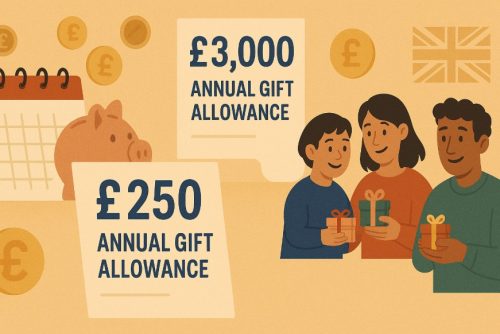
In the UK, the annual tax-free gift allowance is set at £3,000 per person. This means you can give away up to £3,000 in one tax year without it counting towards your estate for inheritance tax purposes.
If unused, the allowance can be carried over to the next year—allowing a maximum of £6,000.
There’s also a small gift allowance, where you can gift up to £250 to as many people as you like in a tax year, provided they have not already received part of your £3,000 annual exemption.
By staying within these limits, individuals can ensure they remain on the right side of HMRC regulations while helping family members or loved ones financially.
Do Parents Need to Declare Cash Gifts to Their Children?
Parents in the UK can gift money to their children without immediate tax implications, especially if the amount is within the £3,000 annual allowance. For larger sums, declaration may become necessary if the donor passes away within seven years.
The inheritance tax may apply if the gift exceeds the annual or special exemptions and the donor’s estate is above the nil-rate band. While gifts between spouses and civil partners are tax-free, gifts to children are treated separately.
Parents are advised to maintain clear records of the date, purpose, and value of each gift to avoid complications during probate or tax assessments.
Planning cash gifts as part of a long-term financial strategy can help maximise tax-free giving and reduce potential liabilities.
When Should You Report a Cash Gift to HMRC?
While most small gifts do not need to be reported, larger or repeated cash gifts may warrant documentation and disclosure, particularly during estate evaluation.
Situations That Require Reporting
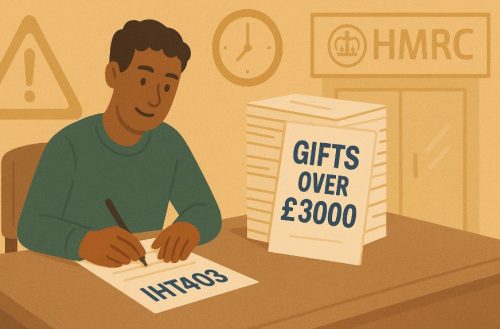
- The gift exceeds the £3,000 annual exemption.
- The donor dies within seven years of making the gift.
- The gift was made with reservation of benefit.
- A large sum has been transferred with no clear purpose or record.
Using IHT403
Form IHT403 is typically used by executors to report gifts made within the last seven years of the donor’s life during the probate process. This form helps HMRC assess whether any inheritance tax applies and ensures transparency.
Maintaining organised records and understanding when to report ensures you remain compliant and prevents delays in estate settlement.
What Happens If You Don’t Declare a Gift to HMRC?
Failing to declare taxable gifts can lead to serious consequences. HMRC has the authority to impose fines, demand interest on unpaid taxes, and launch investigations if there is any suspicion of evasion.
Consequences of Non-Declaration:
- Financial penalties for recipients or executors.
- Additional inheritance tax demands during estate assessment.
- Legal responsibility passed to family members.
- Risk of HMRC audits and scrutiny.
Example:
In the case of Hutchings v HMRC [2015], a son failed to disclose a £440,000 gift. HMRC imposed a penalty of £87,000 and additional tax liability of £47,000.
Since the executors had made reasonable enquiries, the penalty fell on the son for withholding the information. Proper declaration protects both recipients and executors from these risks.
Should You Keep Records or Use Forms Like IHT403 for Gifts?

Yes, keeping detailed records of all cash and asset gifts is highly recommended. Records help establish the timing and value of gifts, which is especially important during inheritance tax evaluations.
Information to include:
- Name of the recipient.
- Date of the gift.
- Value of the gift.
- Purpose of the gift (e.g. birthday, wedding).
- Any documents showing the gift transaction.
Forms like IHT403 are essential for executors and HMRC to review recent gifts during probate. Accurate documentation not only ensures compliance but also helps avoid disputes or legal issues during estate administration.
Conclusion
In the UK, most cash gifts are not taxable at the point of transfer, but large or frequent gifts may become subject to inheritance tax.
While the £3,000 annual exemption and other allowances offer generous reliefs, failure to report significant gifts can result in penalties. It is vital for donors and recipients to understand when reporting is required and to maintain accurate records.
Whether planning ahead or handling an estate, clarity and compliance with HMRC guidelines help ensure smooth financial transitions.
FAQs About Do I Need to Declare Cash Gifts to HMRC
Can wedding and birthday gifts be taxed by HMRC?
Gifts for weddings and birthdays are generally tax-free if they fall within HMRC’s allowable thresholds. If they exceed the exemption limit, inheritance tax may apply.
Do executors have to investigate and report lifetime gifts?
Yes, executors are legally required to make detailed enquiries about gifts given in the seven years before death. Failure to do so can result in penalties or delays in probate.
Are gifts between spouses or civil partners tax-free?
Yes, gifts between legal spouses or civil partners are exempt from inheritance tax, regardless of the amount or timing. This rule does not apply to cohabiting partners.
What financial records should donors keep about gifts?
Donors should record the date, amount, recipient name, and occasion of each gift. Keeping proof such as bank statements and written confirmations is also helpful.
Does receiving a gift affect my income tax or self-assessment?
No, cash gifts are not considered income and do not need to be declared on your tax return. However, related interest or investment income from the gift may be taxable.
What are the HMRC penalties for hidden or undeclared gifts?
Penalties can include substantial fines and added tax liabilities. If deception is proven, legal action or criminal charges may be pursued.
Can a gift be reversed or refunded for tax purposes?
No, once a gift is given, it generally cannot be reversed to avoid tax. However, legal disclaimers or documentation may clarify the nature of the transaction.