
The way people buy windows has changed. Where decisions once rested on appearance, price and a local recommendation, buyers now arrive armed with product pages, reviews, colour charts and quick specifications, and expect their selection to do far more than look the part.
For UK window manufacturers, that shift is quietly reshaping product development, factory investment and the way products are explained to the market.
How Are UK Window Manufacturers Meeting Buyer Demands?
Better-informed Buyers Are Raising the Bar

Homeowners can now compare glazing options, security hardware, guarantees, finishes and maintenance requirements long before making an enquiry.
Appearance and price still matter, but they sit alongside questions about energy performance, ventilation, smart-home compatibility and suitability for the building itself.
That places real pressure on manufacturers. Performance claims need credible evidence, product differences need explaining in plain language, and ranges must address several priorities at once.
This is not simply a race to add features: every addition has to be balanced against affordability, visual quality, and reliability, and no single specification suits every property.
Traditional Design With Present-day Performance
Few products illustrate the change better than the sliding sash window. Closely associated with Georgian, Victorian and Edwardian homes and conservation-sensitive streets, it also remains popular in heritage-inspired developments.
Buyers value its balanced proportions and familiar detailing, but few will accept the draughts and repainting cycles of older examples.
Modern uPVC sliding sash windows are a popular option, retaining slim sightlines, sash horns, meeting rails and traditional-looking finishes while incorporating contemporary glazing, seals, hardware and frame construction.
That doesn’t make uPVC automatically the right answer, timber remains appropriate for many buildings, and suitability depends on the property, planning requirements, budget and expected upkeep. The broader point is that manufacturers are now asked to deliver period character without period compromises.
Comfort and Energy Performance Move Up the Agenda
Higher energy costs and a desire for more comfortable rooms have pushed thermal performance up the list of buyer questions. Glazing, seals, frame construction and installation quality all play a part, and buyers want clear, honest information about how a product has been designed and tested.
New windows can make a real difference to comfort, but they will not eliminate heat loss or resolve every condensation issue, and manufacturer credibility depends on saying so.
Ventilation That Respects the Design
Better-sealed homes still need airflow, and here regulation and aesthetics can pull in different directions. Visible trickle vents can interrupt the symmetry and clean sightlines that make heritage-style windows appealing.
Manufacturers have responded with more discreet ventilation arrangements that support airflow without dominating the frame, though requirements always vary with the property, the installation and applicable building standards.
Security Joins the Connected Home
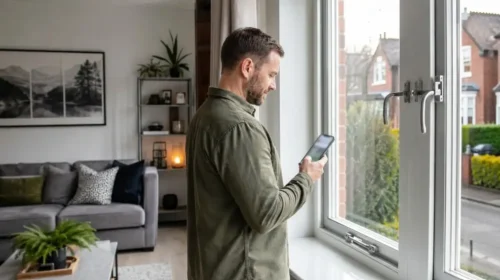
Interest in connected-home technology has extended to windows, and compatible sensors can allow an owner to check from an app whether a window has been left open, depending on the system installed.
Monitoring of this kind is one layer of a wider security approach alongside good locks and sensible habits, not a guarantee in itself.
Integration matters too, preparing a window for compatible sensors in the factory tends to produce a cleaner, more consistent result than fixing visible devices to the frame afterwards.
This blend of traditional design and innovative technical development is visible across the sector. Quickslide, one of the UK’s leading manufacturers of uPVC sliding sash windows and shortlisted as a finalist in the 2026 Building Awards, offers a useful example through its Legacy sash window, which combines classic detailing with a Concealed Head Vent designed to maintain cleaner sightlines and a Legacy Protect option prepared for compatible Kubu smart sensors.
Colour Becomes an Architectural Decision
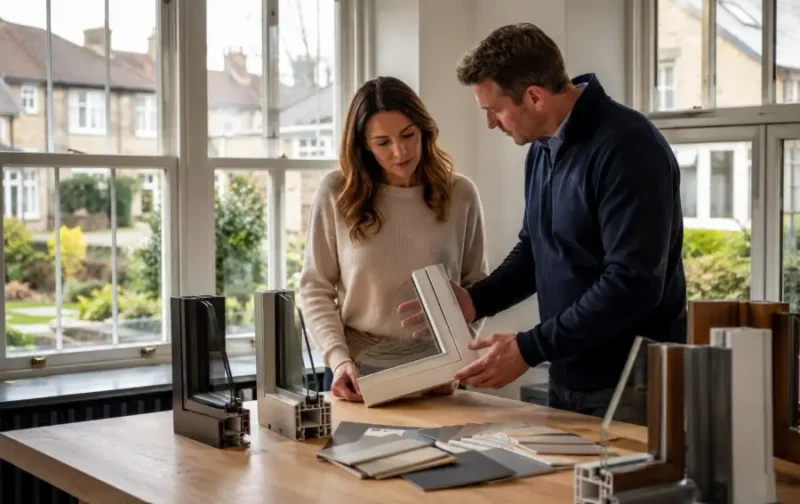
Finish choices have widened too, with buyers wanting window colours that work with brickwork, render, stonework and roofing materials as well as interiors.
Softer whites and heritage-inspired shades often sit more naturally against traditional facades than a smooth white, while darker finishes tend to suit newer homes and extensions. Colour is becoming a considered architectural decision rather than a passing preference.
Why Consistency on the Factory Floor Matters?
Little of this works without disciplined manufacturing. Accurately prepared components, well-formed joints, consistent finishes and correctly positioned hardware influence how a window looks, how easily it is installed, how smoothly it operates and how long it lasts.
As ranges grow more complex, investment in machinery, expertise and quality control becomes a commercial necessity, allowing sophisticated products to be made consistently and at volume, something developers and installers notice as quickly as home owners.
Value Measured Over Years, Not at the Till
Buyers are also weighing the cost of ownership. Materials that reduce the need for regular painting are attractive, though low maintenance should never be presented as maintenance-free, long-term satisfaction still depends on product quality, correct installation, routine cleaning and the replacement of worn components when needed. Value is a combination of appearance, performance, durability and service rather than the lowest purchase price.
Serving Several Audiences at Once

Manufacturers rarely sell to one type of customer. Homeowners, trade installers, architects, housebuilders, landlords and developers may share expectations of quality but differ over order volumes, technical support, delivery and customisation.
The challenge is to make products straightforward for professionals to specify while explaining their benefits clearly to non-technical buyers.
Choosing Windows That Suit the Building
Innovation must also remain appropriate to the building. Proportions, frame depth, additional features, hardware and colour should be judged against the property’s architecture, and listed buildings or conservation areas may require specific materials or permissions, so owners should confirm requirements with the local authority or a qualified professional.
A Market Shaped by Its Customers
Homeowner expectations show no sign of settling. Buyers now look for products that combine appropriate architectural design with reliable performance, energy efficiency, ventilation, security, personalisation and easier upkeep, all backed by credible manufacturing quality.
The manufacturers best placed for the years ahead will be those that listen carefully to their customers, maintain consistent standards in the factory and communicate with the clarity a better-informed market now demands.