


Every business premises in the country is a target. Warm buildings, food waste, deliveries arriving daily, quiet storerooms and ceiling voids: commercial properties offer pests everything they look for.
Yet most owners only think about pest control after something scuttles across the floor mid-meeting, or worse, mid-service. By then, the real costs are already stacking up, and the invoice for treatment is usually the smallest number on the list.
Here’s what a pest problem actually costs a UK business, and why the sums so consistently favour acting early.
The Costs Nobody Budgets for
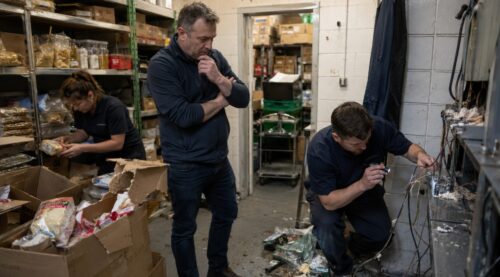
The treatment fee is the visible expense. The damage happens everywhere else.
- Stock and materials: Rodents contaminate far more than they consume, gnawing through packaging and spoiling entire storage areas. Moths destroy textiles and natural-fibre stock. Insects write off food inventory wholesale. For retailers, restaurants and warehouses, a single established infestation can wipe out thousands of pounds of goods before anyone spots it.
- Property and equipment: Rodents chew electrical cabling, which causes outages and stands behind a meaningful share of unexplained fire risk in commercial buildings. Birds block guttering and damage roofing. Insects establish themselves in wall cavities and equipment housings. These repair bills routinely dwarf the cost of the pest treatment itself.
- Regulatory consequences: For any food business, pests are an existential issue. Environmental health officers can and do shut premises on the spot, and a poor food hygiene rating, published online for every customer to see, suppresses trade long after the problem is fixed. Fines for serious breaches run into the tens of thousands.
- Reputation: This is the cost with no ceiling. A single photo of a mouse in a dining room or a cockroach near a counter can reach thousands of local customers within hours. Reviews mentioning pests are among the most damaging a business can receive, and they don’t expire.
- Staff and productivity: Nobody works well in an infested building. Pest sightings drive genuine distress, absence and, in persistent cases, resignations. For office-based businesses, that’s the main bill.
The Pests Most Likely to Visit Your Premises
Different premises attract different problems, but five categories account for most commercial callouts in the UK:
- Rats and mice follow food, warmth and clutter: Top risk for hospitality, food retail and warehousing, and active year-round with an autumn surge as temperatures drop
- Thrive in warm, humid areas with food residue: Commercial kitchens, staff rooms, drains. Prolific breeders and a hygiene-rating killer
- Textile moths: A rising threat for clothing retailers, hotels, offices with wool carpets and anywhere storing natural fibres. Larvae feed unseen for months, and the damage is irreversible
- Flying insects: Flies and wasps in warmer months, a contamination risk for food businesses and a nuisance everywhere else
- Pigeons and gulls: Nesting on commercial buildings creates mess, damage, blocked drainage and health risks, and they’re legally protected, so removal has to be done properly
Knowing your building’s most likely visitor is half the battle. A clothing retailer worrying about wasps while moths eat the stockroom is watching the wrong door.
Why Businesses Get It Worse Than Households?
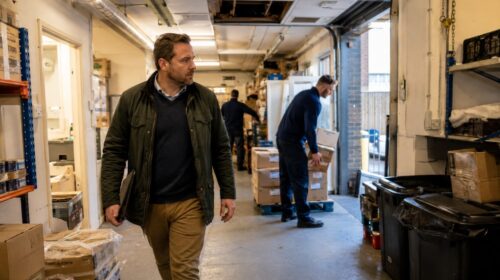
Commercial premises aren’t just bigger targets. They’re structurally harder to defend:
- Deliveries arrive constantly, and pests hitch lifts in packaging, pallets and stock
- Suspended ceilings, service voids, ducting and storage areas offer undisturbed harbourage that homes simply don’t have
- Buildings often sit empty overnight and at weekends, giving pests free run for hours at a time
- Shared buildings mean shared problems, as infestations travel through party walls and communal service areas
- Staff aren’t owners, and sightings go unreported until the problem is visible to customers
This is why the DIY approach that might see off a household mouse rarely works commercially. The infrastructure of a business premises is simply built in the pests’ favour.
What Good Pest Management Looks Like?
For a commercial operation, the goal isn’t reacting well to infestations. It’s not having them, and being able to prove it.
- Prevention and proofing first: Sealing entry points, screening vents, fitting brush strips and managing waste properly removes the invitation. Most infestations begin with a gap that cost pennies to close.
- Regular inspections: Scheduled visits catch the early signs, droppings, gnaw marks, insect casings, months before an infestation becomes visible to staff or customers.
- For food businesses especially: A pest management file with inspection reports and actions taken is what environmental health officers expect to see. It’s also evidence of due diligence if something ever does go wrong.
- Fast, discreet response: When something does appear, speed decides the outcome. A contract with professional pest control services means a technician on site within hours rather than a scramble through search results while the problem breeds, and established firms will survey the premises first, treat discreetly outside trading hours where needed, and put proofing in place so the same problem doesn’t return next quarter.
- Staff awareness: A two-minute briefing, what to look for, who to tell, turns your whole team into an early-warning system. The earliest sightings almost always belong to staff, not inspectors.
The Maths of Acting Early
Put the numbers side by side and the decision makes itself.
A routine commercial pest contract, with scheduled inspections and proofing, typically costs a few hundred pounds a year for a small premises.
A single established infestation, once you count destroyed stock, emergency treatment, repairs, lost trading hours and the slow leak of a damaged reputation, lands in the thousands, and for a food business facing closure or a published low hygiene score, potentially far more.
Pests are one of the few business risks that compound weekly and can be almost entirely engineered away. The businesses that treat pest management like insurance, boring, scheduled and paid for before it’s needed, are the ones whose customers never have a story to tell.
Walk your premises this week. Check the bin store, the delivery door, the quiet corners of the stockroom. If something’s already moved in, you want to be the first to know, because every other way of finding out costs more.