

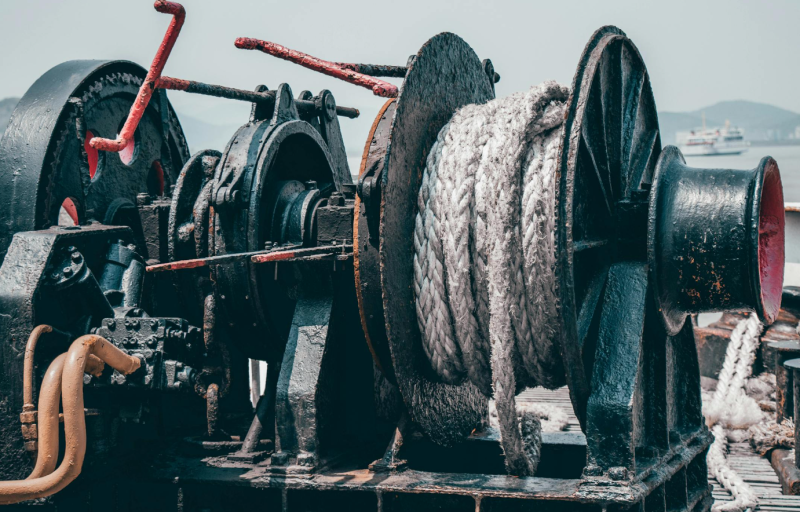
An electric winch, in the simplest terms, is a mechanical device that can pull or lift heavy loads with minimal human effort via a motorised rope/cable drum system. As the motor starts, it will begin to coil up its cable with high levels of torque that create the strength to pull these heavy loads.
They are hugely popular and particularly useful for off-roading purposes, construction work and in marine settings, and are ideal for use with material handling, vehicle recovery and foundation anchoring. There are manual winches available that require more human input, but can’t lift some of the impressive weights that an electric-powered motor is capable of.
Universal Benefits of Electric Winches
Electric winches provide a host of benefits that make lifting and pulling operations safer, more efficient and easier to manage. The best and most important advantage is consistent power output, which remains steady regardless of variations in load weight. This is crucial for ensuring smooth movement and reliable performance.
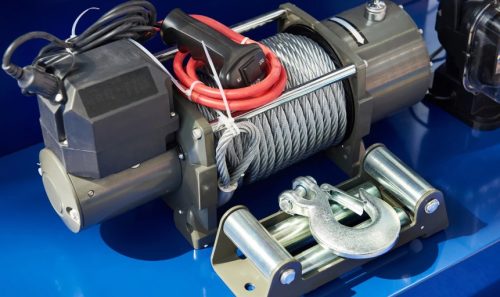
They tend to be relatively simple to operate, often requiring minimal training, making them accessible to a wide range of users. This user accessibility is another reason why they are such a popular tool.
Advanced safety features, including overload protection, automatic braking systems and remote operation, can help prevent accidents and protect both the operator, the winch and the equipment or material being moved.
Electric winches also reduce manual labour, lowering the risk of strain or injury, while also offering smooth movements for precision control that’s ideal for the most delicate of tasks.
They also require far less maintenance and complicated servicing than hydraulic or manual alternatives. In short, electric winches provide a durable, cost-effective solution for frequent lifting or pulling applications across various industries.
Benefits for Construction Applications
The construction industry is teeming with heavy and awkward loads to lift across various levels and occasionally on tricky terrain. Having an electric winching system set up can be a more accessible lifting solution instead of a forklift or a crane.
Whether it is for pulling beams to their desired height, transferring building materials and equipment across levels or anchoring various machinery to the ground on difficult surfaces, electrical winches are invaluable to the construction industry.
They can be mounted to cranes, trucks, scaffolding or stationary frames and can be operated remotely so workers can remain a safe distance. As well as remote operation, they also greatly reduce the level of physical strain workers would be under with other manual handling operations, which improves the condition of the workforce.
Winches also provide such steady movements that they can be used to line up certain fixtures like beams, scaffolding or other steelwork at higher levels, with less of the movements and swaying of a traditional hoist.
Benefits for Marine Applications
Electric winches are particularly well-suited for marine environments, offering corrosion-resistant designs that are more than capable of withstanding saltwater exposure and harsh weather conditions.
They provide reliable pulling power for essential tasks such as docking, anchoring and loading or unloading cargo, ensuring smooth and controlled operation even when handling boats or heavy marine equipment.
Safety needs to be of paramount concern during rough seas or shifting conditions, to reduce the risk of accidents for crew members or cargo. Many marine electric winches are highly energy efficient, making them ideal for vessels with limited power resources or that simply want to cut down their energy usage.
A marine-spec electrical winch has a durable construction, including sealed motors and waterproof housings. This helps extend operational lifespan and minimise maintenance needs.
These features make electric winches a dependable and practical choice for a wide range of marine applications, and they will be some of the most rugged pieces of lifting equipment on the market.

Benefits for Off-Road Applications
Another setting where electric winches are invaluable is with off-road enthusiasts and professionals. A winching system provides essential assistance when recovering vehicles stuck in mud, sand, snow or on steep terrain.
They can deliver high torque pulling power suitable for 4x4s, ATVs and many utility vehicles, enabling quick, efficient self-recovery without the need for external help.
Many models are also impressively compact and portable, making them ideal for adventure vehicles and remote locations, without compromising on other equipment.
Remote or wireless controls enhance operator safety by allowing distance operation during recovery. For instance, you could attach the winch from your vehicle to an anchor point and pull yourself out either from a safe location or in the car itself for extra control capabilities.
Winches designed for all-weather performance feature sealed housings that resist water, dust and other potential contaminants and debris, ensuring heightened reliability in challenging environments.
Key Features to Look For
When looking for a electrical winching solution, it is important to keep these key features in mind to select the perfect one for your needs.
- Motor power and rated line pull determine what different loads the winch can handle. It is a safe working practice to ensure your winch and line are more than capable of pulling the weight and type of load you are intending.
- Cable type: synthetic ropes are a lightweight, flexible option that are easier to handle but are less environmentally resistant. Steel ropes or cables are heavier, a little more expensive but are far more resistant to the elements and can lift a heavier weight.
- Line speed and brake type are important, as a faster line speed improves efficiency, but reliable braking systems are essential in maintaining control and creating safe working operations while under load.
- Waterproof rating and corrosion resistance are essential for marine, off-road or outdoor applications.
- Mounting compatibility means that your winch is adaptable to where it can be set up. This could be anywhere from a vehicle to a structure or some terrain, all without compromising stability.
- Remote or wireless controls enhance safety by allowing operation at a safe distance. Manual options can require more effort, but can be reliable in simple applications or as a backup.
- Safety certifications and overload protection compliance are important to reduce the risks of mechanical failure or accidents during use.
Conclusion and Takeaways
Electric winches are stable, safe and efficient tools for construction, marine and off-road use. They improve productivity, reduce manual strain and enhance operational safety and efficiency. Selecting your winch based on environment, load requirements and key safety features ensures durable performance, precise control and safer lifting operations.