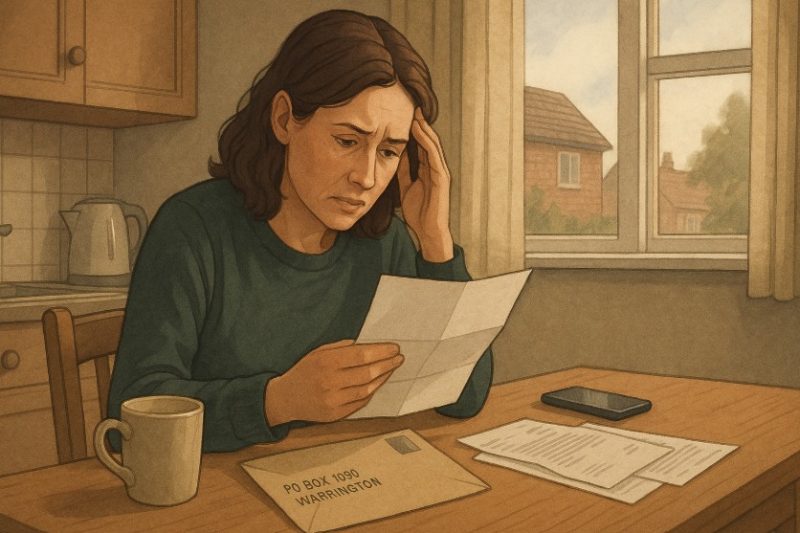
Have you received a letter from PO Box 1399 in Warrington and wondered what it’s about? This address is officially used by the Department for Work and Pensions (DWP) Debt Management team to contact individuals about benefit overpayments.
These letters might seem alarming at first, but they’re usually a formal notification regarding a repayment request related to benefits such as Universal Credit or Personal Independence Payment (PIP).
Understanding why this letter has arrived and how to respond appropriately can make all the difference in resolving the matter efficiently and without stress.
Why Have I Received a Letter from PO Box 1399 Warrington?
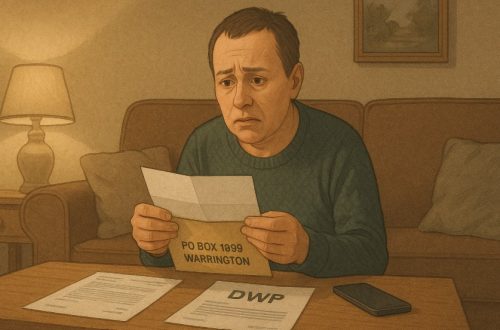
Receiving a letter from this PO Box typically signals that DWP Debt Management has identified an overpayment in your benefit records. These overpayments could result from a variety of reasons and understanding them is key to dealing with the debt responsibly.
Benefit Overpayment Notification
One of the most common reasons for receiving this letter is that you were overpaid benefits. This may include Universal Credit, PIP, or other government support.
Reassessment of Eligibility
Your circumstances may have changed, and the DWP has reassessed your claim, concluding that too much has been paid based on updated income, employment, or living arrangements.
Advance or Social Fund Loan Recovery
In some cases, this letter pertains to unpaid Social Fund loans or advances given during emergencies, which are now due for repayment.
Is PO Box 1399 Warrington Really Connected to the DWP Debt Management?
Yes – PO Box 1399 in Warrington is an official address used by the DWP for handling debt-related correspondence. If you receive a letter from this address, it’s a formal notice from DWP Debt Management.
- The address is not a general DWP correspondence line. It’s exclusively used for debt and repayment communications.
- The DWP uses this PO Box to streamline communications, especially those concerning overpaid benefits or loans.
- Always verify the authenticity of the letter by checking official contact details and never respond to suspicious requests for personal or financial data.
This PO Box helps manage the large volume of repayment and debt-related issues handled by the department and is recognised by all major government support services. If in doubt, contact the DWP directly using official contact methods found on their official communication.
Can a DWP Debt Be Written Off or Disputed?
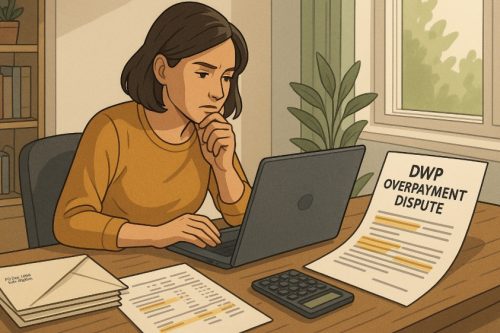
Yes, DWP debts can be challenged or waived under certain conditions. Individuals facing financial hardship, long-term health issues, or experiencing errors in overpayment calculation may be eligible for partial or full debt write-offs. However, this requires communication with DWP and submission of supporting evidence.
When Can a DWP Debt Be Waived?
A DWP debt may be waived if repayment would cause severe financial hardship or if the overpayment resulted from official error. In cases where the person is terminally ill or unable to manage daily living due to health conditions, waivers are also considered.
The DWP evaluates waiver applications on a case-by-case basis. To be eligible, you must demonstrate that repayment would significantly affect your ability to cover essential costs like rent, food, and utilities.
It’s important to provide documentation, such as medical records or income statements, to support your claim during the waiver request process.
How to Appeal an Overpayment Decision?
If you believe the DWP’s decision is incorrect, you can appeal.
- Start with a mandatory reconsideration, this is the first step before a formal appeal.
- You must request this within one month of receiving the overpayment letter.
- Submit written reasons explaining why you think the decision is wrong.
- Include any new evidence, such as payslips or medical documents.
- If not satisfied with the reconsideration outcome, proceed to an independent tribunal.
Keep copies of all correspondence and maintain a record of phone calls and reference numbers. You can seek free assistance from debt help services to prepare your appeal.
What Does DWP Debt Management Actually Do?
DWP Debt Management is responsible for recovering overpaid government benefits and managing debt repayments.
Their primary role is to ensure that public funds are returned when overpayments occur, whether due to administrative error, unreported changes in personal circumstances, or claim errors.
- They issue debt notification letters and track repayment status.
- They set up and monitor affordable repayment plans tailored to individual financial conditions.
- They apply deductions directly from ongoing benefits when no payment plan is agreed upon.
They are not debt collectors but a government division tasked with enforcing lawful repayment. They also provide support in cases of hardship and help identify suitable repayment solutions without causing unnecessary strain on the individual’s finances. Staying in communication with this department is essential to avoid escalation or enforcement.
How to Contact DWP Debt Management via PO Box 1399 Warrington?
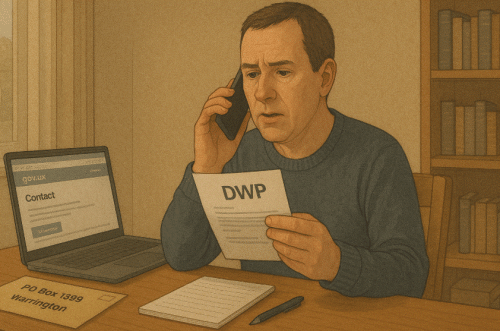
Communicating with DWP Debt Management is straightforward if you use the correct contact methods. Letters from PO Box 1399 will typically include a reference number and a contact number, which is essential for quick resolution.
Use the table below to guide your contact:
| Contact Method | Details |
| Postal Address | PO Box 1399, Warrington, WA1 9EB |
| Telephone (Freephone) | 0800 916 0647 |
| Purpose | To discuss overpayments, repayment plans, or hardship |
Make sure to have your National Insurance number and reference number ready when calling.
Do not ignore the letter; even if you believe it was sent in error, engaging early avoids complications. Postal responses may take time, so phone contact is usually quicker and more effective.
Is DWP Debt Management Legitimate or a Scam?
DWP Debt Management is a legitimate government department tasked with recovering funds owed due to overpayments of state benefits. Any correspondence from PO Box 1399 Warrington is likely to be genuine. However, due to rising cases of benefit scams, it is vital to stay cautious.
Verify any phone numbers or email addresses provided in the letter with official government sources. Legitimate letters will never ask for bank details through email or text. If you’re unsure, contact the DWP directly using a publicly listed number.
Do not share sensitive information unless you’re confident about the source. Scam letters often contain grammatical errors, urgent threats, or suspicious links.
Taking time to verify helps protect your personal data and ensures you are responding appropriately to official communication.
What Are Your Options If You Can’t Repay DWP Debt?
Struggling to repay a DWP debt is not uncommon, and there are several options to help manage repayments without risking further hardship.
Possible Actions:
- Set up a manageable repayment plan.
- Request a pause or reduction if facing hardship.
- Apply for a waiver if repayments cause harm.
- Ask for reassessment if your circumstances change.
Always communicate with the DWP, ignoring letters can lead to automatic deductions. Support agencies may also help negotiate fairer terms.
Who Can Help You Deal with DWP Overpayment Letters?
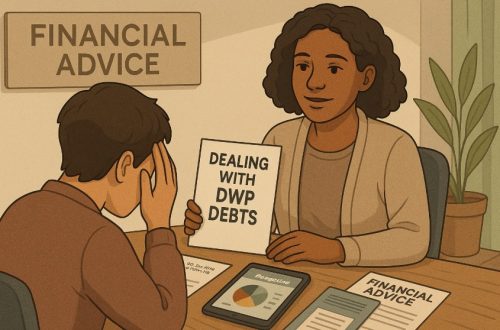
If you’ve received a DWP overpayment letter and are unsure what to do, there are organisations that can offer guidance and support. These services are free, confidential, and specialise in benefit-related debt issues.
- National Debt Support Services: They offer tailored support and help you understand your rights, prepare appeals, and draft responses to the DWP.
- Independent Financial Advisors: Can provide one-on-one budgeting advice if you’re juggling multiple debts, including DWP claims.
- Debt Help Charities: These organisations are well-versed in DWP policies and can often negotiate repayment terms or help request waivers.
They do not share your information and are completely impartial. Getting support early can prevent further stress, especially when dealing with time-sensitive communications. Always make sure the advice service is government-recognised and FCA-regulated.
How to Avoid Future DWP Overpayments and Miscommunications?
Avoiding future overpayments can help you stay in control of your finances and prevent unnecessary stress. Following these steps can reduce the chances of incorrect benefit calculations.
Ways to Prevent Overpayments:
- Update DWP promptly: Always inform them of changes in income, living arrangements, or work status.
- Review your award letters: Double-check the accuracy of details provided and query anything unfamiliar.
- Keep records: Maintain documentation related to your claims and correspondence.
- Avoid duplicate applications: Make sure not to reapply for a benefit you’re already receiving.
Regularly update the DWP on any changes in income or circumstances to avoid errors. Delays can cause overpayments, later reclaimed in lump sums. Stay proactive to keep benefits accurate.
Conclusion
Receiving a letter from PO Box 1399 Warrington can be concerning, but it’s important to know that it is an official communication from DWP Debt Management.
Whether it’s about benefit overpayments, loan repayments, or advance recoveries, timely action is key. Understanding your options and getting support can make dealing with the matter easier and less stressful.
Ignoring the letter will not make the issue go away. Instead, take control, respond promptly, and use the resources available to you to resolve the issue efficiently and confidently.
FAQs About PO Box 1399 Warrington
How Long Does the DWP Have to Recover a Debt?
The DWP can recover benefit overpayments for many years, depending on the type of debt and your financial situation.
What Happens If I Ignore a Letter from DWP Debt Management?
Ignoring the letter may lead to deductions from benefits or earnings, legal action, or referral to debt collection agencies.
Can I Pay My DWP Debt in Instalments?
Yes, DWP offers affordable repayment plans based on your financial circumstances. You need to contact them directly.
Will DWP Debt Affect My Credit Score?
DWP debts generally don’t impact your credit score unless passed to a third-party debt collector who reports to credit agencies.
What Documents Should I Keep If I’m Dealing with a DWP Overpayment?
Keep all letters, payment records, appeal notices, and any communication you have with DWP or debt advice services.
Can I Use a Debt Charity to Communicate with DWP on My Behalf?
Yes, organisations like StepChange or National Debtline can liaise with DWP and help set up repayment arrangements.
Is There a Deadline to Respond to a DWP Overpayment Letter?
Yes, usually within 30 days. Always check the letter’s details and respond promptly to avoid automatic deductions or further action.