

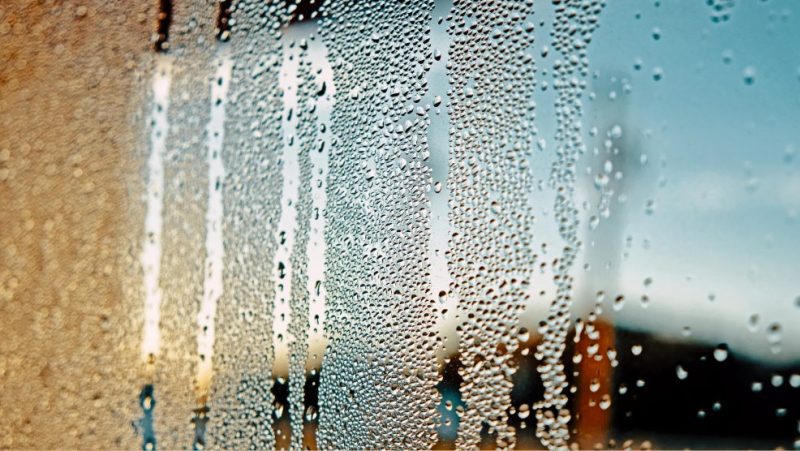
Waking up to droplets of water collecting along your window panes or puddles on the sill is a common issue for many homeowners, especially during colder months.
Although it may appear minor at first, condensation inside windows can cause serious long-term issues such as mould development, flaking paint, and deterioration of window frames.
Understanding what causes condensation on windows and how to prevent it is key to protecting both your windows and your home’s indoor air quality.
Why Are My Windows Wet on the Inside?
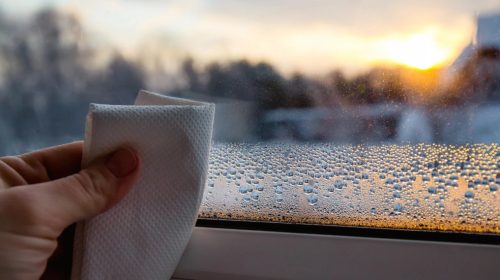
If you’ve ever asked yourself, “Why are my windows wet on the inside?”, the short answer is: it happens when humid air comes into contact with a cold surface.. When warm, humid indoor air comes into contact with cooler window glass, it cools down rapidly and can’t hold as much moisture. This excess water then appears as window condensation inside.
While a little fog on the glass is normal in some conditions, persistent condensation on window sill surfaces or within the glazing can signal deeper ventilation or insulation issues.
What Causes Condensation on Windows?
There are three main sources of indoor moisture that contribute to condensation:
- Everyday activities: Cooking, showering, drying laundry, and even breathing all add moisture to the air.
- Poor ventilation: Without proper airflow, humid air stays trapped and settles on cold surfaces like windows.
- Inefficient insulation: Single-glazed windows or older frames often lack thermal protection, increasing the chance of indoor condensation.
In colder seasons, this issue becomes more noticeable due to the greater temperature difference between indoor and outdoor air.
Why Do You Get Condensation on the Inside of Windows?
If you’re still wondering why you get condensation on the inside of windows, the answer lies in the balance between indoor humidity and surface temperature.
The colder your window surface and the higher the moisture in your home, the more likely condensation will form. That’s why bedrooms, bathrooms, and kitchens, rooms where moisture is generated, are usually the worst affected.
In some cases, condensation might also form between the panes of double-glazed windows. This often means the window seal is compromised, allowing the insulating gas to leak out and making repair or replacement necessary.
How to Stop Condensation on Windows?
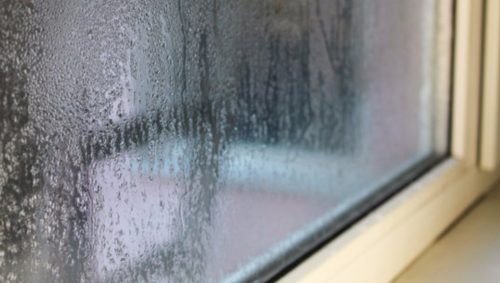
Although some level of condensation is inevitable in colder climates, you can stop condensation on windows or reduce it significantly with a few proactive measures:
1. Improve Ventilation
Good airflow is one of the most effective ways to manage indoor humidity. Open windows daily for at least 10–15 minutes, especially in areas where steam or moisture is generated.
2. Use Extractor Fans
Bathrooms and kitchens should have functioning extractor fans that vent to the outside, not just into the attic or another room.
3. Limit Indoor Drying
Avoid drying clothes indoors without proper ventilation. If unavoidable, use a dehumidifier to help absorb excess moisture.
4. Keep Heating Consistent
Allowing indoor temperatures to fluctuate widely can cause more dramatic condensation. Keep your heating steady, especially in colder months.
The Role of Secondary Glazing
If replacing windows isn’t an option, especially in heritage or listed properties, installing secondary glazing can be a highly effective solution. By creating an additional internal glass layer, it helps maintain warmer interior surfaces, reducing condensation and improving energy efficiency.
For homes in conservation areas, listed building secondary glazing offers a reversible and discreet alternative that complies with planning requirements while preventing condensation inside windows.
Even outside of heritage settings, homeowners are increasingly exploring modern secondary glazing as a practical solution, one that doesn’t compromise on aesthetics or performance.
When to Take Action?
It’s important not to ignore consistent condensation. If left untreated, it can lead to:
- Mould growth
- Damp and rot in timber frames
- Peeling paint or warped sills
- Worsening indoor air quality
If condensation on window sill areas is frequent or leads to black spots and mildew, it’s time to act, whether that means upgrading insulation, adding ventilation, or exploring glazing solutions.
Practical Steps for Everyday Prevention
To manage moisture and prevent window condensation inside your home:
- Keep internal doors closed when cooking or showering.
- Wipe away visible moisture each morning.
- Use indoor plants that absorb humidity (like peace lilies or English ivy).
- Monitor humidity levels, aim for 40–60%.
These small habits, combined with structural upgrades, can make a major difference in how your windows handle condensation.
Creating a Healthier Living Environment
Understanding what causes condensation on windows is the first step toward preventing structural damage and improving comfort.
Whether it’s through better ventilation, modern sealing methods, or adding secondary glazing, simple changes can go a long way. Addressing the issue early protects your windows, your health, and your home.