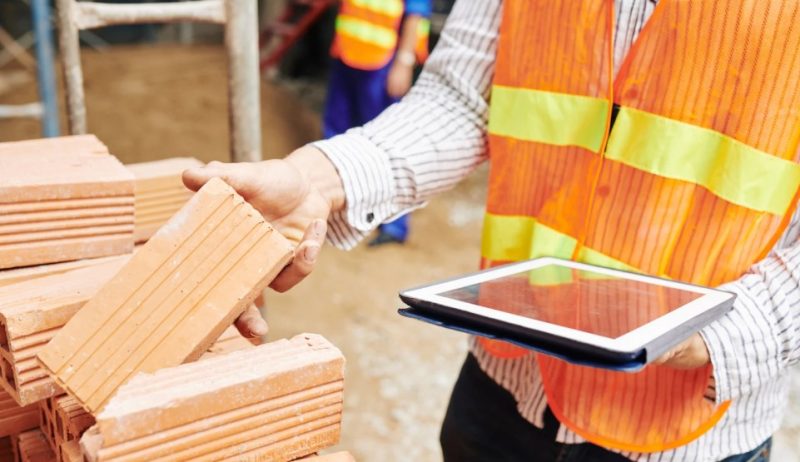
If you earn your living through the purchase, development, and sale of properties, then you’ll need to take the procurement and handling of raw materials very seriously.
After all, it’s impossible to renovate, extend, or otherwise improve a property without the use of bricks, mortar, timber, plasterboard, and dozens of other essential supplies.
The Foundation of Development: Understanding Raw Materials
First, it’s worth looking at the materials that your project requires. In most cases, a majority of your earned money will be spent on a small number of core items. These might include timber, steel, concrete and glass.
These variously offer different key properties. Steel girders tend to be stronger than timber ones, for example, but they’re often more environmentally costly. Glass is obviously transparent, but it also tends to be more affordable in larger structures, which is why it dominates so many city skylines.
What Are the Roles of Raw Materials in Property Development?
Sustainable Sourcing: Balancing Quality and Environmental Impact

It isn’t just your choice of materials that matters, but also the way that you are sourcing them. For example, you might look for reclaimed or recycled materials, which can help drive down the environmental cost of your construction project, and help your firm to meet its stated green targets. Recycling at scale also tends to drive down costs, provided that the quality of the final structure is not compromised.
The Role of Building Aggregates in Construction
Among the more essential components of any structure are building aggregates like gravel, sand, and crushed stone. These materials form the basis of concrete and help to create stable, level foundations atop which other building elements can be stacked. Whether it’s a skyscraper or a garden path, the chances are good that aggregate will be needed.
Navigating Supply Chain Challenges
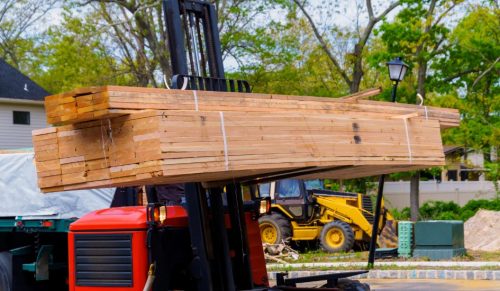
Procuring raw materials at scale often means dealing with patchy availability. Sometimes, world events can conspire to make certain materials scarcer, or more costly.
Having a diversified supply chain, and the ability to swiftly change suppliers and recalculate timelines, can make a project more resilient to supply chain issues.
Innovations in Material Technology
In some cases, significant gains can be made by preferring construction materials of a different kind. This might mean looking at more affordable ‘unloved stone’, that is, waste from quarries, as an alternative to traditional brickwork. In many cases, developers can create unique structures at the same time as cutting costs and driving up sustainability.
Regulatory Compliance and Quality Assurance
In the UK, construction firms are bound by a lengthy list of building regulations. These extend to the selection and use of raw materials. It’s critical that robust quality assurance processes are implemented, so that firms can be sure that the materials they’re using meet the required standard for performance and safety.