
The British high street has weathered many storms, but the digital revolution has permanently altered the landscape.
Today, more than a quarter of all retail sales in the UK happen online, a figure that has fundamentally reshaped consumer expectations. The challenge for modern retailers isn’t just a shift from brick to clicks; it’s creating a seamless, connected journey across every channel.
Welcome to the world of omnichannel retail, a space brimming with both immense opportunity and significant challenges for UK businesses. To not only survive but thrive, retailers must embrace technology to streamline their operations, from the warehouse floor to the customer’s front door.
The Rise of the Empowered Consumer
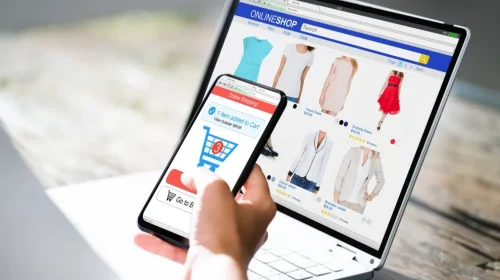
The modern consumer is more informed, connected, and demanding than ever before. They don’t see channels; they see a brand. Their journey might start by browsing on a mobile app during their morning commute, continue by visiting a physical store on their lunch break to see the product, and conclude with a purchase on their laptop that evening. More importantly, they expect this entire process to be seamless, consistent, and convenient.
This empowered consumer expects to be able to buy online and collect in-store (click-and-collect), return an online purchase to a local branch, or check live stock availability at a nearby shop from their phone.
They want tailored recommendations and offers that reflect their browsing history and previous purchases, regardless of the channel. That means personalisation is no longer a luxury but an expectation.
UK giants like Next have set a high bar, integrating their online presence and physical stores to offer a cohesive brand experience. Their success demonstrates that meeting these complex expectations is not just possible, but profitable.
For smaller and medium-sized enterprises, the lesson is clear: convenience and a consistent brand experience are the new battlegrounds for customer loyalty.
How Can Retailers Overcome the Omnichannel Challenge in Today’s Market?
Breaking Down the Silos: The Importance of Integrated Systems
For many traditional retailers, the transition to e-commerce resulted in operational “silos”. A silo is created when different parts of the business operate independently.
The most common and damaging example is having a separate pool of inventory for the online store and another for the physical shops. This structure is a relic of a bygone era, one that’s fundamentally incompatible with the demands of omnichannel retail.
When your systems are siloed, your business lacks a single, accurate view of its own stock. This leads to a host of problems that directly impact the customer experience and the bottom line. A customer might see an item as “out of stock” online, when in fact it’s readily available in their local store, resulting in a lost sale.
Conversely, a business might be forced to heavily discount excess stock in its physical shops while simultaneously being unable to fulfil online orders for those same items. This inefficiency leads to frustrated customers, missed revenue opportunities, and wasted capital tied up in poorly managed inventory.
The solution lies in breaking down these walls with integrated systems that centralise data. To achieve this single view of inventory, many businesses are turning to advanced Warehouse Management Systems (WMS).
A robust WMS, such as StockHub from Futura Retail Solutions, can provide real-time visibility into stock levels across the entire business, from the warehouse to the shop floor. This allows for more efficient order fulfilment, reduces the risk of stockouts, and ultimately leads to a better customer experience.
When your systems can see all your stock, everywhere, you can start fulfilling online orders from store inventory or enabling customers to see exactly what is available and where.
Leveraging Technology for a Competitive Edge

A unified view of inventory is the foundation, but it’s just one piece of the omnichannel technology puzzle. To truly gain a competitive edge, UK retailers need a suite of integrated tools that work in harmony.
Customer Relationship Management (CRM) Systems
A modern CRM should capture every customer interaction, whether it happens online, in-store, or via a customer service call. This creates a single customer profile, allowing for powerful personalisation.
Imagine a store assistant being able to see a customer’s online wish list or past purchases, enabling them to provide a far more relevant and helpful service.
E-commerce Platforms
Your online store should not be an island. Choose a platform that integrates smoothly with your inventory management and point-of-sale (POS) systems. This ensures that stock levels, pricing, and promotions are consistent everywhere, and facilitates popular services like click-and-collect.
Data Analytics Tools
In an omnichannel world, data is your most valuable asset. Analytics tools can help you understand complex customer journeys, identify your most profitable channels, and make informed decisions about everything from marketing spend to stock replenishment.
When choosing technology, prioritise integration capabilities. Ask potential vendors how their systems communicate with others. Start small if you need to, but always have a long-term vision for a fully connected technology ecosystem.
The Future of Retail is Omnichannel
The distinction between “online” and “offline” retail is becoming increasingly irrelevant. The future belongs to those businesses that can provide a single, unified, and exceptional brand experience across every touchpoint.
Embracing an omnichannel approach is no longer an option for ambitious retailers; it’s an absolute necessity for survival and growth.
While the transition requires investment in the right technology and a willingness to rethink traditional processes, the rewards are significant: increased customer loyalty, greater operational efficiency, and a resilient business model fit for the 21st century.
The time is now to critically evaluate your own retail strategy. Are your systems talking to each other? Can your customers move seamlessly between your digital and physical worlds?
By answering these questions and investing in an integrated future, you can meet the omnichannel challenge head-on and build a thriving retail business.