
Parking in a designated disabled parking bay might seem like a simple act, but it can lead to significant legal consequences if done without proper authorisation.
As the need for accessible parking spaces grows, understanding the rules surrounding disabled parking bays is crucial for drivers and residents.
The question of whether you can use a disabled parking bay that is designated for your neighbour is one that many may find themselves asking.
This blog will explore legal and ethical considerations surrounding using disabled parking bays in the UK.
By understanding these rules, you can avoid unnecessary conflicts and ensure that you respect the rights of others, especially those who rely on these designated spaces for their mobility needs.
What Are Disabled Parking Bays?
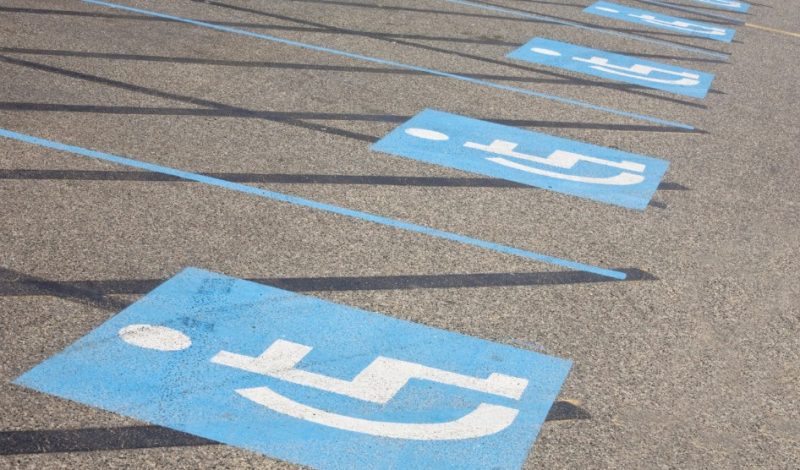
Disabled parking bays are specially marked spaces that are reserved for individuals with disabilities. These spaces are typically wider than regular parking spots to accommodate wheelchairs or mobility aids.
They are strategically located near entrances to buildings, shopping areas, and other places of interest to ensure easy access for those with mobility challenges.
In the UK, disabled parking bays are usually part of the Blue Badge scheme, which allows individuals with a disability to park closer to their destination.
These spaces are crucial for providing individuals with the mobility and independence they need in public spaces.
Without access to these spaces, it would be more difficult for people with disabilities to carry out day-to-day tasks, such as grocery shopping or visiting medical appointments.
The Blue Badge scheme ensures that only eligible individuals can use these spaces. However, the issue of who can use a disabled parking bay can become complicated when the space is located outside someone’s home, especially when neighbours are involved.
How Are Disabled Parking Bays Different from Regular Parking?
The main differences between disabled parking bays and regular parking spaces are their size, location, and usage regulations. Disabled parking bays are specially designed to meet the needs of individuals with physical disabilities. These spaces are generally:
- Larger: Extra-wide to accommodate mobility aids such as wheelchairs, walkers, and scooters.
- Closer to essential facilities: Often positioned near building entrances, ramps, or elevators, making it easier for individuals to access public areas.
In contrast, regular parking spaces are not designed with specific accessibility requirements and can often be farther from building entrances. These spaces do not offer the same accommodations for people with disabilities.
Furthermore, the use of disabled parking bays is strictly regulated. Only individuals with a valid Blue Badge, which is issued to people with long-term disabilities, are permitted to park in these spaces. The misuse of a disabled parking bay by someone who does not have the proper authorisation can lead to significant consequences:
- Fines: Financial penalties for illegal parking.
- Towing: The vehicle may be removed if found parked in a disabled bay without a Blue Badge.
It is essential to respect these regulations to ensure accessibility for those who need it.
My Neighbour Has a Disabled Parking Bay – Can I Use It?
If your neighbour has a disabled parking bay outside their home, it is primarily designated for their exclusive use, especially if they hold a valid Blue Badge.
However, there are a few nuances to consider regarding the use of these spaces:
- Advisory Disabled Parking Bays: In some cases, a disabled parking bay may be marked on the highway as advisory, particularly in areas where residents with mobility issues require parking near their homes. These bays are not legally enforced and are not intended to reserve space for one person.
- Legal Standing: Unlike mandatory disabled bays, advisory bays have no legal standing. Although meant for the disabled resident’s convenience, anyone can park in these spaces, including other disabled drivers.
- Support from Neighbours: The effectiveness of advisory bays relies on the support of neighbours to keep the space clear. Councils will contact nearby properties to ensure no objections before the bay is installed.
- Enforcement: Since advisory bays are not legally enforceable, it’s up to neighbours to maintain the space’s availability for the resident who requested it.
- No Right of Appeal: If a neighbour objects to the installation of the bay, there is no appeal process, and the bay may not be installed.
Although advisory bays are intended for residents with mobility challenges, anyone can use them unless specifically reserved by the property owner.
Can I Park in a Disabled Parking Bay Without a Blue Badge?
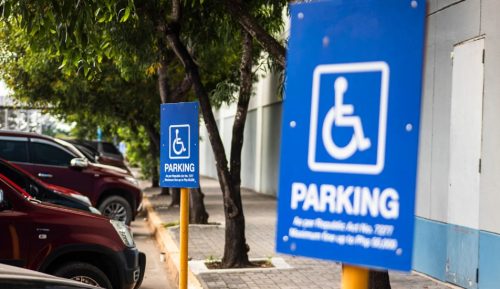
No, you cannot park in a disabled parking bay without a valid Blue Badge in the UK. The Blue Badge scheme is a nationwide system designed to ensure that people with disabilities can access parking in areas that are most convenient and closest to their destinations.
If you park in a disabled parking bay without a Blue Badge, you are breaking the law and can face penalties.
The penalties for using a disabled parking bay without a Blue Badge can vary depending on the location. Typically, you can expect to receive a fine, and in some cases, your vehicle may be towed.
The specific fines and penalties depend on local council regulations, but they are generally designed to discourage misuse of these spaces, ensuring they remain available for those who genuinely need them.
If you find that you need to use a disabled parking bay temporarily, for instance, due to temporary mobility issues, it is essential to contact your local council to understand what options are available to you.
What Happens if I Park in a Disabled Bay Without Permission?
Parking in a disabled parking bay without permission can have serious consequences. If you park in a designated disabled bay without a Blue Badge or proper authorisation, you could face a fine or penalty notice.
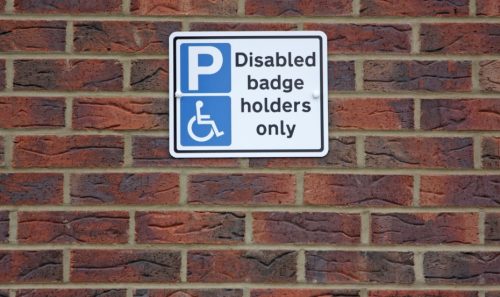
- Enforceable Disabled Parking Bays: These spaces are clearly marked with a sign stating “disabled badge holders only” and are usually located in shopping areas or streets with other parking controls. If you park in one of these enforceable bays without displaying a valid Blue Badge, you may receive a penalty charge notice.
- Fines for Illegal Parking: The fine for parking in a disabled parking bay without permission ranges between £70 and £100, depending on the local authority. However, it is essential to note that this offence does not affect your driving licence points.
In addition to the financial penalties, your vehicle may be towed if it is parked in a disabled bay without permission. Towing fees can quickly add up, making the situation even more costly.
Some councils take a strict approach to enforcement, meaning that even if the space appears to be unused, they will not hesitate to issue fines or towing notices.
To avoid these penalties, it is crucial to respect the rules regarding disabled parking bays. Only use these spaces if you are legally permitted to do so, and always ensure that you display your Blue Badge if you are parking in one of these designated areas.
What Rights Does My Neighbour Have Over a Disabled Parking Bay?
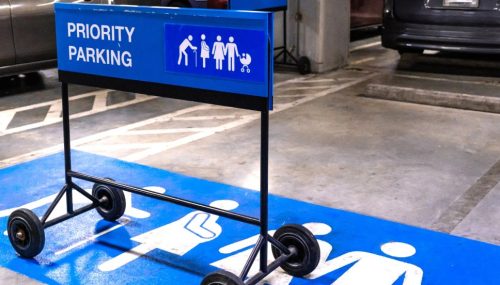
If your neighbour has been allocated a disabled parking bay outside their home, they have the legal right to use that space, especially if they are a Blue Badge holder.
These spaces are specifically designated for their use, and no one else is permitted to park there without explicit permission.
The rights of the Blue Badge holder are protected under UK law, and it’s essential to respect these rights to avoid potential conflicts or legal issues.
However, it’s essential to note that having a disabled parking bay outside your home does not guarantee that the space will always be available. In some cases, advisory disabled parking bays are marked but not enforced.
These bays are advisory only, relying on the goodwill of other motorists to respect the space. While these spaces are meant to support disabled residents, anyone can park in them, and the success of the system depends on the cooperation of neighbours.
If a dispute arises or the bay is misused, it is best to address the issue directly with your neighbour or contact local authorities for assistance.
How Can I Address a Parking Dispute with My Neighbour Over Their Disabled Parking Bay?
Parking disputes, especially involving disabled parking bays, can be sensitive. If you have a neighbour who is misusing a disabled parking bay or there is a disagreement about the use of the space, the first step is to approach the situation with understanding and respect.
You should start by talking to your neighbour calmly and explaining your concerns. In many cases, these disputes can be resolved amicably through a conversation.
If your neighbour is using the disabled bay illegally, explain that it is a designated space for someone with a disability, and they should not be using it without the proper authorisation.
If the issue cannot be resolved informally, you can contact your local council. Councils typically have guidelines and procedures in place for handling disputes over parking bays and can help mediate the situation.
Are There Any Exceptions to the Rules of Disabled Parking Bays?
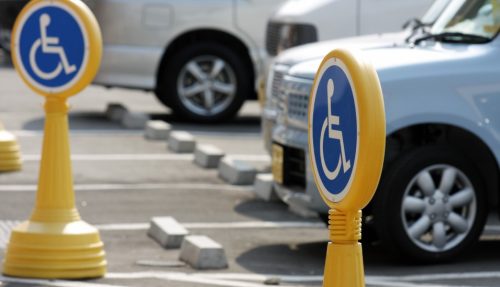
Generally, the rules for using disabled parking bays are strict. However, there are a few exceptions to these rules. For instance, some councils allow temporary permits for individuals who experience short-term mobility issues.
These permits can be used to park in disabled bays if the person is temporarily disabled due to an injury or surgery.
Additionally, in some emergency situations, a vehicle may be allowed to park in a disabled bay temporarily without facing penalties.
For example, if a vehicle needs to be parked quickly to transport someone to a medical facility, it may be granted an exemption, though this is highly situational.
It’s essential to check with your local council if you think you may need an exemption for a specific circumstance.
How Can I Find Accessible Parking Alternatives in My Area?
If you need to park in an accessible space but cannot use a designated disabled parking bay, there are alternative options available.
Many areas provide accessible parking spaces in public lots, shopping centres, and near key public services. These spaces are typically wider than regular parking spots and are designed to accommodate people with mobility challenges.
To find accessible parking alternatives, you can use online tools or mobile apps that allow you to search for parking spaces based on your location. Many local councils also provide information about accessible parking facilities on their websites.
If you are eligible, you can also apply for a disabled parking bay outside your home to ensure that you always have access to a parking spot that meets your needs.
Conclusion
Understanding the rules and regulations surrounding disabled parking bays is crucial for avoiding legal issues and ensuring that spaces are available for those who need them.
If your neighbour has a disabled parking bay, it is essential to respect their right to use it. Unauthorised use of a disabled bay can result in fines, towing, and other penalties.
If you are experiencing a dispute or have concerns about parking in these spaces, approach the situation with respect and consider contacting your local council for assistance.
By following the rules, you can contribute to maintaining accessible parking spaces for those who genuinely need them.
FAQs About Disabled Parking Bay
What is the Blue Badge Scheme?
The Blue Badge scheme allows people with disabilities to park in designated spaces closer to their destination, making it easier for them to access public spaces.
Can I Put a Disabled Parking Sign Outside My House in the UK?
To get a disabled parking bay outside your home, you need to apply to your local council. The application process involves proving that you meet the eligibility criteria.
Can You Park in a Disabled Bay Without a Blue Badge?
No, it is illegal to park in a disabled parking bay without a Blue Badge. Doing so can result in fines and towing.
How Do I Get a Disabled Parking Space Outside My House?
Contact your local council to apply for a disabled parking bay outside your home. You’ll need to meet specific criteria to be eligible.
Can I Use a Disabled Parking Bay If I Have Temporary Mobility Issues?
You may be able to apply for a temporary permit if you have short-term mobility issues. Check with your local council for more information.
What Should I Do If I See Someone Parking Illegally in a Disabled Bay?
If you see someone parking in a disabled bay without a Blue Badge, you should report the incident to your local council or the relevant authority.
How Do I Apply for a Disabled Parking Bay in My Area?
To apply for a disabled parking bay, you need to contact your local council and provide documentation of your eligibility, such as your Blue Badge.