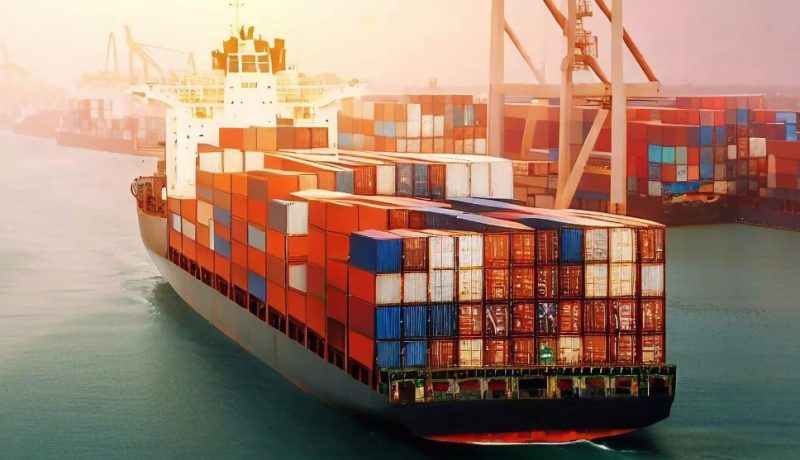
The maritime industry is a cornerstone of global commerce, facilitating the movement of goods, raw materials, and energy resources across continents. However, this vast sector is undergoing profound changes driven by regulatory pressures, technological breakthroughs, and shifting trade dynamics.
In this article, we will explore how the maritime industry is evolving and the potential benefits these changes can bring to businesses.
What Are the Trends to Watch About Maritime Markets and Business Growth?
Regulatory Pressures Driving Change
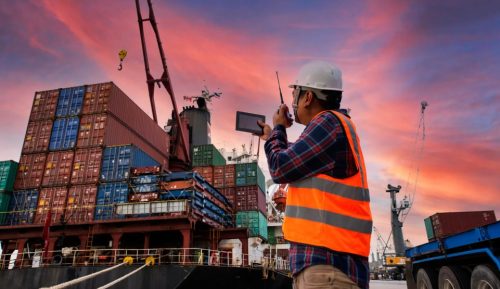
International regulations are reshaping the maritime industry, particularly with the International Maritime Organization’s (IMO) targets for reducing carbon emissions.
Stricter policies demand compliance, forcing shipping companies to transition towards greener alternatives. Failure to meet these environmental benchmarks can result in financial penalties, trade restrictions, and reputational damage.
Alternative Fuels and Energy Solutions
Maritime businesses are exploring low-emission energy sources as the world moves away from fossil fuels. Liquefied Natural Gas (LNG), hydrogen, and ammonia are emerging as viable alternatives to traditional bunker fuel.
Though these fuels present challenges in terms of infrastructure and cost, their long-term benefits in reducing emissions make them a focal point for sustainable shipping.
Eco-Friendly Ship Design Innovations
Innovation transforms vessel construction, with energy-efficient hull designs and wind-assisted propulsion systems gaining traction. Technologies such as air lubrication, which reduces friction between the hull and water, enhance fuel efficiency. These advancements lower operating costs and position companies as leaders in sustainable shipping.
Evolving Trade Corridors
The maritime industry is entering a transformative era by developing green shipping corridors, dedicated trade routes where sustainable practices, innovative vessel technologies, and low-emission fuels are prioritised. These corridors foster global collaboration and create opportunities for cleaner, more efficient logistics.
As highlighted by Clarksons, they support the industry’s decarbonisation goals and empower businesses to align with environmentally responsible supply chains, strengthen brand reputation, and enhance long-term competitiveness in a greener global economy.
Business Benefits of a Sustainable Supply Chain
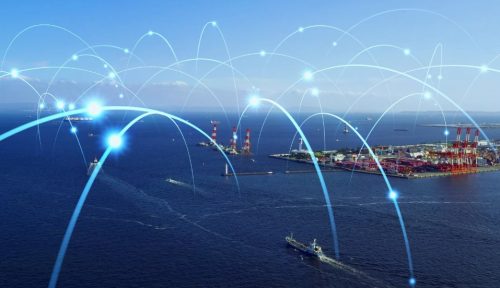
As outlined in Clarksons’ recent campaign integrating sustainability into maritime supply chains is not only an environmental imperative but also a strategic business advantage.
Companies that align with green shipping practices are better positioned to attract and retain environmentally conscious customers, meet stakeholder expectations, and strengthen their brand reputation.
A sustainable supply chain can unlock access to green financing, improve regulatory compliance and enhance resilience by reducing long-term operational risks. In today’s competitive landscape, sustainability is becoming a key driver of growth, trust, and market leadership.
Digitalisation and Smart Shipping
Autonomous and Semi-Autonomous Vessels
Automation is revolutionising maritime operations. AI-driven navigation systems and remote-controlled ships are reducing reliance on human crews, increasing safety and enhancing operational efficiency.
While fully autonomous vessels remain a work in progress, semi-autonomous technology is already deployed in port operations and short-sea shipping.
Blockchain and Supply Chain Transparency

Blockchain technology is bolstering trust and efficiency in maritime trade. Smart contracts streamline transactions, reducing paperwork and the risk of fraud.
Blockchain’s decentralised nature ensures that all parties in the supply chain have access to accurate, tamper-proof records, improving accountability and efficiency.
IoT and Predictive Maintenance
Integrating Internet of Things (IoT) devices allows vessels to monitor equipment in real-time. Sensors detect potential failures before they escalate, enabling proactive maintenance that reduces downtime and repair costs. This data-driven approach enhances vessel longevity and operational reliability.
Workforce Evolution and Maritime Talent Development
The maritime industry is embracing a new era of talent development, focusing on attracting and nurturing the next generation of professionals. As the sector advances through digitalisation and sustainability initiatives, exciting career opportunities are emerging in green shipping, innovative vessel technology, and global logistics innovation.
Companies increasingly invest in modern training programmes, upskilling initiatives, and inclusive career pathways to build a future-ready workforce and ensure long-term industry growth.
Future Skills and Automation
With the rise of digitalisation, maritime professionals must develop new skill sets. Proficiency in automation, AI-driven logistics, and data analytics is becoming as important as traditional navigation and engineering skills.
Conclusion
The maritime industry is undergoing a significant transformation driven by sustainability mandates, digitalisation, and shifts in global trade. Companies that embrace change and invest in innovation will emerge stronger in an increasingly complex landscape.
From green shipping solutions to smart technology integration, the future of maritime business growth lies in adaptability and forward-thinking strategies. Those who navigate these trends effectively will survive and thrive in the new era of maritime commerce.