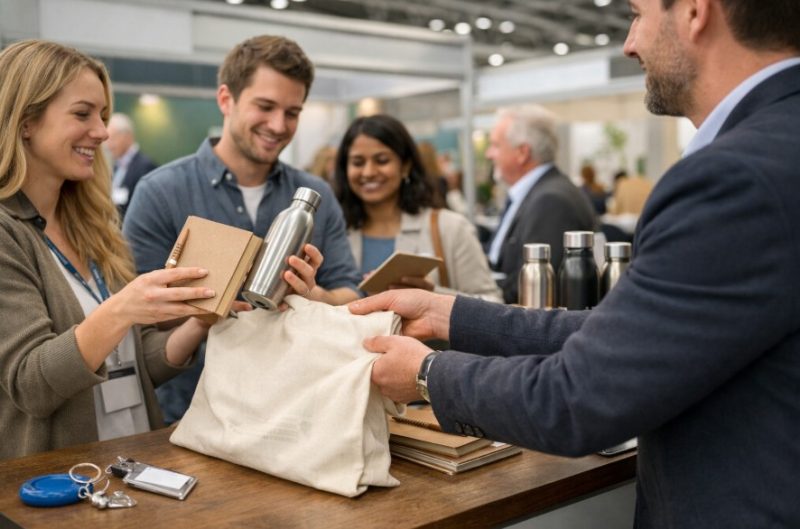
The days of handing out cheap plastic keyrings at trade shows are fading fast. Businesses across the UK are rethinking what they give away, and for good reason. A promotional product is often the first physical touchpoint between a brand and a potential customer, which makes the material it is made from a statement in itself.
Consumer expectations have shifted dramatically over the past five years. Research from the British Promotional Merchandise Association shows that recipients are far more likely to keep and use an eco-friendly item than a conventional one. That longer shelf life translates directly into more brand impressions per pound spent.
Suppliers specialising in this space have grown rapidly to meet demand. Greengiving.eu, a European platform operating out of the Netherlands since 2009, now lists over 1,200 sustainable promotional products for businesses and institutions.
Their catalogue reflects a broader industry trend: eco merchandise has moved from niche afterthought to mainstream procurement category.
Why Sustainable Promotional Products Are Reshaping Brand Perception?
More Than a Gesture: The Business Case for Going Green With Giveaways

Small businesses often assume sustainable branded merchandise costs significantly more than standard alternatives. That assumption is increasingly outdated. Bamboo pens, recycled notebooks and seed paper cards now sit at price points comparable to their conventional equivalents, especially when ordered in bulk.
The return on investment goes beyond unit cost. A cotton tote bag made from GOTS-certified organic fabric gets reused dozens of times, carrying a logo through supermarkets, offices and gyms. Compare that to a plastic carrier bag that ends up in a bin within hours.
There is also a reputational dimension that matters enormously for smaller firms competing against larger rivals. Choosing sustainable giveaways signals that a business takes its environmental responsibilities seriously, even when nobody is watching. That kind of authenticity resonates with both clients and prospective employees.
What Actually Works: Products That Get Kept, Not Binned
Not all promotional items are created equal. The most effective ones solve a small daily problem or bring a moment of surprise. Seed paper, for instance, is embedded with wildflower seeds and can be planted after use, turning a business card or event invitation into something genuinely memorable.
Reusable drinkware remains one of the strongest performers in the category. Branded bottles from makers like Dopper and Retulp have become status items in certain professional circles, carried visibly in meetings and co-working spaces. A well-designed bottle does not feel like marketing; it feels like a gift worth owning.
Erasable and reusable notebooks from brands such as Bambook and MOYU represent another clever option. They appeal to the growing segment of professionals who want to reduce paper waste without abandoning handwritten notes entirely. For startups attending pitch events or conferences, handing out a product like this creates a lasting impression that a flyer simply cannot match.
Procurement Without the Headache

One obstacle that historically held small businesses back from ordering eco promotional merchandise was complexity. Finding a reliable supplier, verifying sustainability claims, and arranging printing on small quantities required more effort than most founders had time for. That landscape has changed considerably.
Specialist platforms now offer quote turnaround within a single working day, free delivery across the EU, and full-colour logo printing on almost any product.
Greengiving.eu, which holds an EcoVadis medal for its sustainability performance, is one example of how the supply chain has professionalised. Businesses ordering from such platforms can trust that the environmental credentials have already been verified.
For UK entrepreneurs sourcing from European suppliers, post-Brexit logistics are worth checking in advance. Most established suppliers have adapted their shipping processes, but confirming delivery timelines before a major event or campaign launch saves unnecessary stress.
Aligning Brand Values With Physical Objects
Every object a business puts its name on communicates something about its values. A single-use plastic item says one thing. A plantable seed paper card or a Fairtrade cotton bag says something entirely different.
The gap between those two messages is widening every year as environmental awareness deepens among consumers and corporate buyers alike.
Small businesses have an advantage here that larger corporations often lack: agility. Switching an entire promotional strategy to sustainable alternatives can happen in a single procurement cycle, without layers of approval or legacy supplier contracts getting in the way. That speed of change is itself a competitive edge.
The shift toward eco-friendly branded merchandise is not a passing trend driven by regulation alone. It reflects a deeper change in how businesses want to present themselves to the world. Getting it right does not require a large budget. It requires intention, a decent supplier, and the willingness to retire the plastic keyring for good.