


Video has become one of the most valuable forms of evidence an organisation can hold. A short clip from CCTV, a body-worn camera, a mobile phone, or a dashcam can clarify what happened far faster than a written report ever could. That is precisely why video is now central to internal investigations, insurance claims, incident response, regulatory matters, and legal disputes.
But there is a catch. The same footage that helps establish facts often captures far more than the event itself. Faces in the background, vehicle registration plates, employee screens, customer conversations, home addresses, children, and bystanders can all end up in frame. Sharing that material without proper controls creates a second risk layered on top of the original incident: a privacy breach.
For many organisations, the question is no longer whether they should share video evidence. It is how to do it responsibly.
Why Video Evidence Creates a Unique Privacy Challenge?
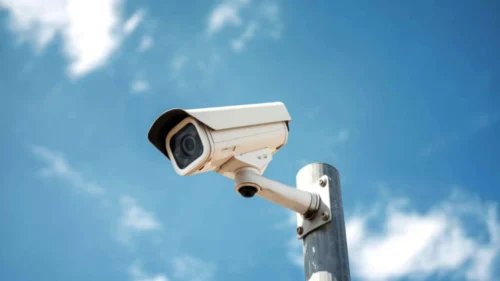
Unlike text records, video is dense with personal data. A single minute of footage may contain dozens of identifiable details, some obvious and some easy to miss. This makes disclosure far more complex than simply forwarding a file to an insurer, law firm, regulator, or police contact.
The legal and operational pressure is rising too. Privacy regimes such as the UK GDPR and Data Protection Act 2018 require organisations to apply data minimisation and purpose limitation in practice, not just in policy. If footage is being shared to investigate a slip-and-fall claim, for example, the recipient usually does not need an unobscured view of every customer who walked through the frame that afternoon.
That sounds straightforward, but in the real world teams are often working against the clock. Security managers need to respond quickly. Claims teams need evidence in a format others can review. Compliance teams need confidence that disclosure is proportionate. When those priorities collide, privacy can become an afterthought.
Start With Necessity, Not Convenience
A better approach begins with a simple question: what exactly does the recipient need to see?
That framing changes everything. Instead of treating the original recording as the default version to share, organisations should think in terms of evidence relevance. If the key issue is a single altercation near an entrance, then the shared clip may only need a narrow time window, one camera angle, and redaction of uninvolved individuals.
Useful Questions Before Any Disclosure
Before sending footage externally, it helps to pause and confirm:
- Who is receiving it, and for what specific purpose?
- Which part of the recording is genuinely relevant?
- What personal data appears incidentally in the frame or audio?
- Can the footage be trimmed, muted, masked, or otherwise minimised?
- Is there an audit trail showing what was shared and why?
This is not bureaucracy for its own sake. It is how organisations demonstrate that privacy has been built into the disclosure process rather than patched on at the end.
Redaction Needs to Be Reliable, Repeatable, and Fast
Historically, privacy protection in video was laborious. Someone had to scrub through footage manually, identify faces or number plates frame by frame, and apply masking consistently. That is slow, expensive, and prone to human error, especially when multiple files are involved.
As video volumes have increased, manual methods have started to show their limits. A local authority handling public incident requests, a transport operator reviewing onboard footage, or a retailer responding to theft investigations may need to process hours of material under tight deadlines. In that environment, dependable tooling matters.
Many teams now turn to automated privacy protection software to help detect and redact sensitive visual data at scale while keeping disclosure aligned with privacy requirements.
The important point is not automation for its own sake. It is consistency. If the process depends entirely on one individual’s attention span or editing skills, mistakes become inevitable. A defensible workflow should produce the same standard of protection whether one clip is being shared or one hundred.
Build a Disclosure Workflow That Stands Up to Scrutiny
Privacy-safe evidence sharing works best when it is treated as a defined operational process, not an improvised task. That means setting clear rules around review, editing, approval, and transfer.
1. Classify the Request
Different recipients create different obligations. A police request, a subject access request, an insurer demand, and an internal disciplinary review may all justify disclosure, but not on the same terms. Teams need to know which legal basis or business purpose applies before they touch the footage.
2. Minimise the Material
Trim the clip to the relevant timeframe. Remove unnecessary audio where appropriate. Blur or mask unrelated people, screens, and registration plates. The goal is not to weaken the evidence; it is to strip away everything the recipient does not need.
3. Keep an Audit Trail
A strong record should show who requested the footage, who reviewed it, what edits were made, when it was shared, and under what authority. If the organisation is later challenged, that documentation often matters as much as the clip itself.
4. Secure the Transfer
Privacy protection does not end when redaction is complete. Evidence should be transmitted through secure channels with access controls, expiry settings where possible, and clear restrictions on onward sharing.
Common Mistakes Organisations Still Make

Some privacy failures are surprisingly mundane. Teams share the original file “just this once” because a deadline is close. They forget that reflections in glass can reveal faces. They redact the image but leave sensitive audio intact. They focus on external recipients while overlooking internal oversharing across email chains and shared drives.
Another common issue is inconsistency. One department has a robust process; another relies on ad hoc judgment. That creates uneven risk exposure across the same organisation. If you have ever seen a carefully redacted legal disclosure sitting next to an unedited clip sent in haste by another team, you know how easily that gap opens up.
Privacy and Transparency Are Not in Conflict
There is a persistent myth that protecting privacy somehow weakens evidence or obstructs accountability. In practice, the opposite is usually true. Well-managed redaction makes footage easier to share, easier to defend, and less likely to create collateral harm.
When organisations disclose only what is necessary, they show they understand both sides of their responsibility: uncovering the facts and protecting the people caught in the frame. That balance matters. It builds trust with regulators, partners, employees, and the public.
As video evidence becomes more central to decision-making, the organisations that handle it well will not be the ones that share the most footage. They will be the ones that share the right footage, in the right way, with privacy designed into the process from the start.