
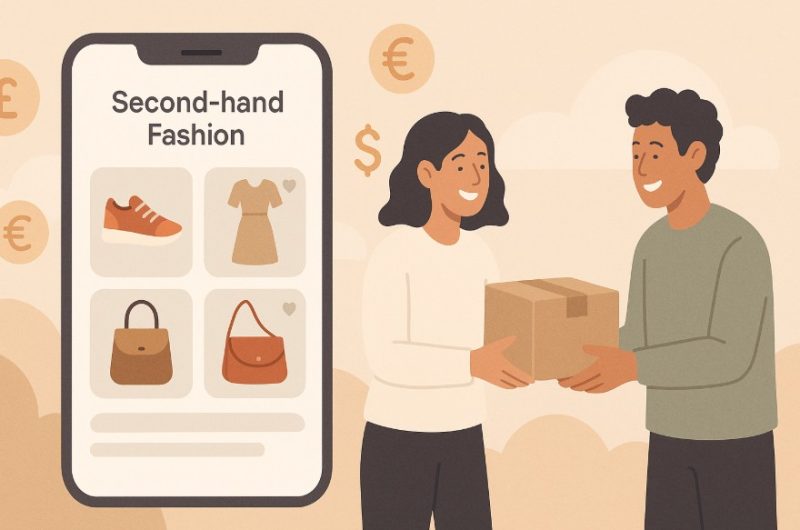
In today’s digital marketplace, second-hand shopping has transformed into a global trend, thanks to platforms like Vinted.
With over 45 million users across Europe and beyond, Vinted allows people to turn their unused clothing into cash without paying a seller fee.
But this raises a critical question, how does Vinted make money? Instead of charging sellers, Vinted leverages creative monetisation techniques that set it apart from other marketplaces.
From buyer protection fees to promoted listings and shipping margins, the company has crafted a business model that is profitable, scalable, and user-friendly.
What is Vinted and How Does it Work in the UK?
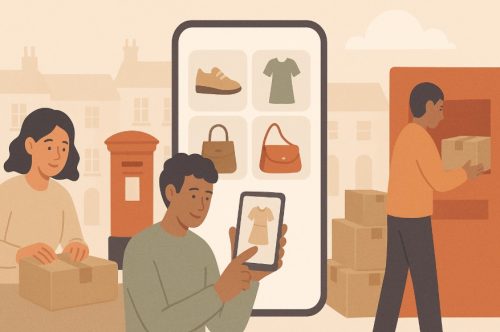
Vinted is a popular peer-to-peer platform for buying and selling second-hand fashion and lifestyle items. Launched in Lithuania in 2008, it now operates in over 20 countries, including the UK, where it has gained a strong following thanks to its user-friendly, seller-focused features.
Why Vinted Stands Out?
- No Seller Fees: List items for free with no commission taken on sales.
- Simple Interface: Easy-to-use mobile app and website for smooth selling.
- Buyer Protection: Buyers pay a small fee to ensure safe transactions.
How It Works in the UK?
- Users upload photos, write descriptions, and set prices.
- Buyers pay for both the item and shipping.
- Sellers receive prepaid shipping labels to send the parcel.
- Payment is released once the buyer confirms delivery.
With built-in messaging and ratings, Vinted UK offers a secure, reliable way to buy and sell second-hand items quickly and confidently.
How Does Vinted Generate Income Without Charging Sellers?
Vinted stands out in the second-hand marketplace by allowing sellers to list and sell items without any fees. This fee-free approach creates a major advantage, especially for casual sellers, but it doesn’t mean the platform runs at a loss.
Instead, Vinted generates income by charging buyers a small buyer protection fee on every transaction. This fee covers services like secure payment processing, fraud prevention, customer support, and refund management, giving buyers added confidence when shopping.
By placing the financial responsibility on buyers rather than sellers, Vinted encourages more people to list items. This increases the variety of products available, making the platform more attractive and competitive.
The increased inventory draws in more buyers, creating a cycle of continuous engagement and growth. This strategy ensures that Vinted maintains a thriving, low-barrier ecosystem where goods move quickly and efficiently, all while sustaining a solid and scalable revenue model across the UK and other European markets.
How Do Vinted Make Money?
Vinted has developed several smart revenue streams that allow it to stay seller-friendly while generating income. Here’s a breakdown of how Vinted makes money beyond just buying and selling.
Buyer Protection Fees
Vinted charges every buyer a protection fee, calculated as a combination of a fixed amount and a small percentage of the item’s cost. This fee typically ranges between 30p and 80p, plus 3% to 8% of the purchase price.
It funds Vinted’s payment security system and ensures buyers receive help if something goes wrong, such as a missing item or a purchase not matching its description.
Shipping Partnerships
Vinted doesn’t provide free shipping. Instead, buyers cover shipping costs, which are integrated at checkout. Behind the scenes, Vinted collaborates with shipping providers like Royal Mail and Hermes to negotiate lower rates.
The platform earns a margin on each shipping label sold, generating profit from logistics while streamlining the shipping process for sellers.
Promoted Listings
Sellers seeking more visibility can pay to “bump” their items. Bumped listings appear higher in search results for three to seven days. This optional paid feature brings recurring income while enhancing the chances of item sales.
Advertising and Sponsorship
Vinted also monetises through in-app advertisements and sponsored listings. Fashion brands and third-party advertisers pay to reach Vinted’s extensive user base in a native, non-disruptive format that blends with the platform’s shopping experience.
How Does Vinted’s Buyer Protection Fee Work?
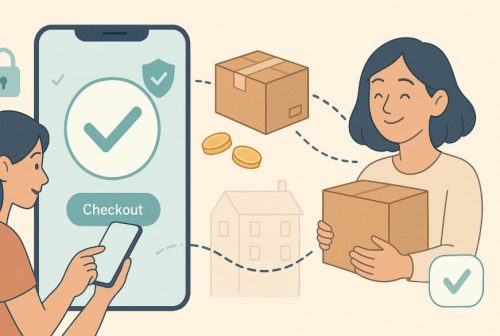
Vinted’s buyer protection fee is a key part of its revenue model, serving both to generate income and build trust. When a buyer completes a purchase, they pay a protection fee on top of the item price and postage.
This fee combines a fixed amount with a percentage of the item’s value, typically ranging from 30p to 80p plus 3% to 8%. In return, buyers receive purchase security that guarantees a refund if the item doesn’t arrive, arrives damaged, or is significantly different from the description.
The fee also covers fraud protection, ensuring payment details remain safe, and access to Vinted’s customer support team to handle disputes efficiently.
By shifting these operational costs onto buyers, Vinted keeps selling free and easy, encouraging more listings and a wider selection for buyers. This fee structure creates a balanced marketplace where trust and transparency are prioritized, benefiting both buyers and sellers alike
Why Are Promoted Listings Profitable for Vinted?
Promoted listings, known on Vinted as “Bumps” or “Wardrobe Spotlight,” are a valuable income source for the platform.
These optional paid services allow sellers to increase their item’s visibility by appearing higher in search results or news feeds for a limited time. But why are they profitable?
How Do Promoted Listings Work?
- Sellers can bump individual items for 3 or 7 days.
- Prices vary but typically cost around £0.95 to £2.95 per bump.
- Wardrobe Spotlight, exclusive to some regions like the UK, costs £6.95 and promotes a user’s entire profile for 7 days.
Why Do Users Pay for These?
- Increased visibility: Items show up at the top of search feeds.
- Faster sales: Bumped items often sell more quickly.
- Competitive edge: In categories with high volume, promoted listings help products stand out.
- No risk for sellers: Since selling is free, investing in a bump is a strategic decision rather than a mandatory cost.
Vinted earns recurring revenue every time a user chooses to promote a listing. These small payments, made frequently by thousands of sellers, accumulate into a steady and scalable income stream that helps fund the platform’s operations.
How to Get Started on Vinted?
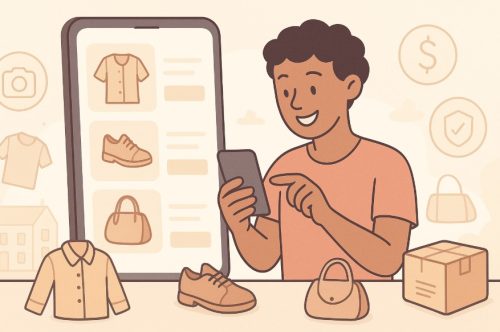
Joining Vinted is simple and designed to be beginner-friendly. Whether you want to clear your wardrobe or start a resale side hustle, setting up your Vinted profile is the first step.
Steps to Start
- Create an account: Sign up via email or social media (Google, Facebook, or Apple).
- List your items: Click on “Sell” and upload clear photos, write detailed descriptions, and set a price.
- Choose your shipping options: Use Vinted’s integrated shipping system or arrange custom delivery.
- Publish the listing: Once published, your item appears in search results and news feeds.
Tips for Selling Successfully
- Take high-quality, well-lit photos from multiple angles.
- Be honest and detailed in your item descriptions.
- Price items competitively by checking similar listings.
- Use bump features for faster exposure if the item doesn’t sell quickly.
Once a buyer purchases your item, Vinted will provide a prepaid shipping label. Ship the item within five days to avoid cancellation.
You’ll receive payment once the buyer confirms safe delivery. The entire process is streamlined, making it easy for anyone to turn pre-loved fashion into cash.
What Can You Sell and Not Sell on Vinted?
Vinted allows users to sell a wide variety of second-hand fashion and lifestyle items. However, there are guidelines in place to ensure the marketplace remains safe, legal, and focused on its core niche.
What You Can Sell?
- Clothing and accessories: Men’s, women’s, and kids’ fashion items.
- Footwear and bags: Gently used or new shoes, boots, backpacks, and handbags.
- Homeware and books: Small decorative items, books, and board games.
- Toys and kids’ gear: Including furniture, strollers, and baby accessories.
- Pet accessories: Pet clothing, bedding, and toys.
What You Can’t Sell?
- Food, drinks, and medicines: Any consumable product is strictly prohibited.
- High-value electronics: Items like laptops, tablets, and smartphones are not allowed.
- Adult furniture: Vinted doesn’t support the sale of larger household furniture.
- Weapons or unsafe items: This includes anything considered illegal or dangerous.
Adhering to Vinted’s product policy is essential to maintaining a healthy account. Listings that violate rules are removed, and repeat offenders may be banned. Sellers are encouraged to review guidelines before uploading to avoid any disruptions or penalties.
What Are the Pros and Cons of Vinted’s Business Model?
Vinted’s business model is both innovative and efficient, but like any system, it has its advantages and challenges. Let’s explore what works well and where it could improve.
Pros:
- Free for sellers: There are no listing fees or commissions, which attracts more users and increases inventory.
- Buyer-focused monetisation: Revenue is generated through buyer protection and optional services, not upfront charges.
- Scalable operations: Vinted’s model can be replicated across regions without heavy infrastructure costs.
- Trust-driven design: Features like escrow-style payments and dispute resolution encourage user confidence.
- Community-based appeal: Eco-conscious and budget-aware shoppers form a strong, loyal user base.
Cons:
- Buyer fee friction: Added costs during checkout can discourage some buyers, especially on low-value items.
- Revenue depends on volume: Without seller fees, profitability relies heavily on transaction volume and user activity.
- Customer service challenges: Scaling support for millions of transactions can be complex and resource-intensive.
- Risk of off-platform deals: Some users may attempt to avoid fees by arranging payments and shipping privately.
Despite its challenges, Vinted’s model has proven successful, especially in the UK and Europe, by prioritising a smooth seller experience and smart revenue strategies focused on buyer interactions.
How Sustainable Is Vinted’s Profit Model in the Long Term?
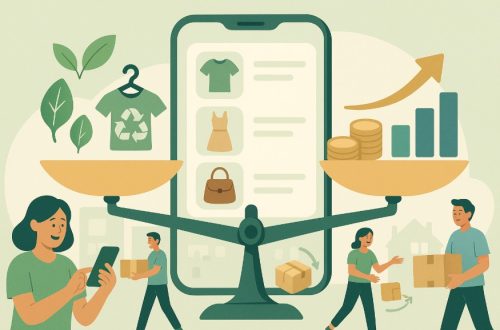
Vinted’s long-term sustainability appears strong due to its lean, scalable business model and ability to adapt to changing consumer habits.
With growing environmental awareness, especially in Europe and the UK, second-hand shopping is evolving from a trend into a lifestyle choice that aligns with Vinted’s mission.
The platform is expanding internationally by acquiring competitors and entering new markets, increasing its user base. Recurring revenue streams like promoted listings, subscriptions, and advertising further strengthen its financial position.
However, Vinted’s future success depends on maintaining user trust through investment in customer service and improved dispute resolution. With competitors like eBay adopting similar approaches, Vinted must continue to differentiate its brand.
If managed well, Vinted’s free-to-list, buyer-focused revenue model could remain profitable and scalable, securing its place as a leading player in the second-hand fashion market.
Conclusion
Vinted has successfully built a global marketplace where users can turn their unwanted clothing into cash, all without charging sellers a penny.
By placing the financial load on buyers through protection fees and leveraging optional promotional tools, Vinted keeps the platform accessible and profitable. With a business model grounded in trust, simplicity, and sustainability, the platform continues to thrive in the UK and beyond.
Whether you’re looking to declutter your wardrobe or start a side hustle, Vinted offers a flexible and rewarding environment to do just that, while the company quietly builds its billion-pound empire in the background.
FAQs About How Vinted Makes Money
Does Vinted charge a fee for listing items?
No, listing items on Vinted is completely free for sellers, which helps attract more users to the platform.
Can you sell on Vinted as a business in the UK?
Yes, business users can sell on Vinted, but they must comply with specific guidelines and may need to register for a Vinted Pro account.
Is Vinted profitable as a company?
Yes, Vinted has become profitable by monetising through buyer fees, promotions, and advertising while keeping seller access free.
How much is the buyer protection fee on Vinted?
The fee usually includes a fixed amount between 30p and 80p plus 3% to 8% of the purchase price, depending on the item’s value.
How does Vinted compete with Depop and eBay?
Vinted differentiates itself by not charging sellers and offering built-in buyer protection and shipping services.
Are promoted listings worth the money for sellers?
Yes, promoted listings can significantly improve item visibility and speed up sales, especially in competitive categories.
Does Vinted sell user data to make money?
No, Vinted does not sell user data but uses anonymised information to improve user experience and advertising performance.