

Is the end of the traditional brown envelope from HMRC finally here? In a major step towards digitising tax administration, HMRC has announced plans to replace most of its postal correspondence with digital letters from spring 2026.
This new “digital by default” model marks a significant transformation in how millions of UK taxpayers receive critical updates, reminders, and communications.
While this shift promises faster delivery, improved security, and streamlined recordkeeping, it also raises important questions around accessibility, preparedness, and the future of taxpayer engagement.
This article explores what these upcoming changes mean, who will be affected, how the system will work, and what steps individuals and businesses can take to prepare effectively.
Why Is HMRC Moving to Digital Letters in 2026?
The move to digital letters forms part of HMRC’s broader goal to become a digital-first organisation. With ambitions to ensure that 90% of all taxpayer interactions are online by the 2029–2030 tax year, this shift is seen as a cornerstone of that transformation.
Several core objectives underpin this transition:
- Cost savings: HMRC is aiming to save £50 million annually in printing and postage.
- Faster delivery: Digital notifications arrive almost instantly, improving communication efficiency.
- Better security: Storing documents within a secure account reduces the risks of postal interception and tax fraud.
- Improved user experience: Taxpayers gain more control over how they access and manage communications.
In essence, the shift to digital is about improving operational efficiency and modernising the UK tax system in line with the expectations of an increasingly online population.
Is Your Tax Mailbox About to Disappear? Here’s What Changes in 2026

The change won’t happen overnight. HMRC will start implementing the digital communication system from spring 2026, following legislative backing provided through the Finance Bill 2025–26.
The transformation will be gradual, with different departments and services moving to digital as their systems become capable. Each service must meet HMRC’s internal readiness criteria, including IT stability, accessibility, and user support, before transitioning.
This staggered approach ensures that digital correspondence becomes available only when it’s reliable and secure, preventing disruption for taxpayers.
Who’s Being Automatically Shifted to Digital, and Who Isn’t?
The rollout is designed to affect those who are already using HMRC’s digital services or who will engage with them going forward.
Users won’t be automatically asked to switch; rather, they’ll be prompted to confirm or provide digital contact details, such as an email address and mobile number, when they interact with HMRC.
Key Groups Affected:
- Individuals using Personal Tax Accounts (PTAs)
- Users of the HMRC app
- Businesses with Business Tax Accounts (BTAs)
- New digital users from 2026 onwards
Once a user confirms their digital contact details, postal letters will cease by default, and they’ll begin receiving notifications via email or SMS when new documents are available in their account.
However, not everyone will be swept up in this change. HMRC has made it clear that paper communications will remain for:
- Individuals who opt out
- Elderly or disabled users
- Those who are digitally excluded or without reliable internet access
What Will HMRC’s Digital Letters Look Like?

As HMRC moves to digital communication, most taxpayers will no longer receive standard letters by post. Instead, digital letters will be available through the Personal Tax Account or the HMRC app. These letters won’t be sent as email attachments or text messages.
Instead, HMRC uses a secure notification system, alerting you by email or SMS when a new letter is ready to view online. This approach helps reduce fraud and phishing risks.
The digital letters will contain the same information as paper versions, including tax codes and reminders, but stored securely online. They can be accessed anytime, downloaded, or printed, offering greater speed, convenience, and organisation.
How Will You Access Them?
The new system revolves around secure notifications. HMRC will not email or text actual tax letters. Instead, you’ll receive an alert, via email or SMS, informing you that a new letter is available.
To access it, you’ll need to log in to your Personal Tax Account or use the HMRC app. These notifications will:
- Include your full name
- Display the official HMRC logo
- Avoid including sensitive personal or financial information
- Never contain direct links requesting login credentials or payment
This method enhances privacy, combats phishing, and gives you full control over how and when you access your tax correspondence.
How Different Will HMRC’s Digital Communication Be from Traditional Letters?
The table below highlights key differences between digital and postal tax letters, helping taxpayers understand what to expect:
| Feature | Digital Letters (from 2026) | Traditional Postal Letters |
| Delivery Speed | Instant email/SMS alert | 2–5 working days |
| Access Method | Secure login via PTA or HMRC app | Delivered to home or office address |
| Data Protection | Encrypted access, no data in alerts | Susceptible to postal loss or theft |
| Scam Risk | Reduced (no links in alerts) | Moderate to high |
| Storage | Auto-archived in digital account | Manual filing needed |
| Environmental Impact | Minimal | High (paper use, printing, postage) |
Digital communication introduces several improvements but also requires taxpayers to become comfortable navigating HMRC’s digital platforms regularly.
Do You Have to Accept Digital Letters from HMRC, Or Can You Still Go Paper?
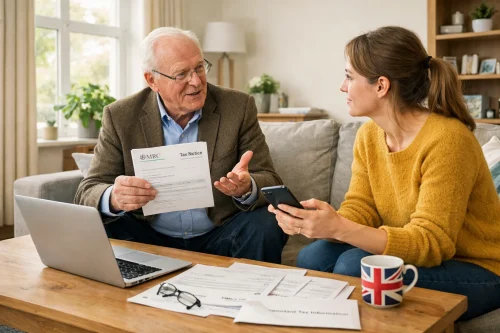
The digital system will become the default, but not mandatory. HMRC has committed to ensuring that users who are unable or unwilling to use digital platforms can continue receiving paper letters.
If you prefer post, you simply need to avoid confirming your digital contact details when prompted. In doing so, HMRC will retain your communication preferences as postal.
Additionally, users flagged as digitally excluded, whether due to age, disability, or limited access to digital infrastructure, will remain on paper by default, with no obligation to switch.
HMRC’s intention is not to force users into digital channels but to create a system that works better for most, while accommodating those who need an alternative.
Why Is HMRC Banking on Digital Letters to Improve the Taxpayer Experience?
The decision to adopt digital letters is about more than cutting costs. HMRC aims to modernise how it engages with UK citizens and businesses, bringing the experience in line with other public and private sector services.
By embracing digital communication, HMRC hopes to:
- Deliver updates faster: Especially for urgent correspondence like tax code changes or self-assessment reminders.
- Improve visibility: Digital letters are stored securely and can be accessed anytime, reducing reliance on paper filing.
- Enhance fraud protection: By moving away from physical letters, HMRC reduces opportunities for postal scams and impersonation.
- Promote environmental sustainability: Less paper use means fewer emissions from printing and delivery.
This strategy not only supports digital convenience but also increases administrative efficiency for HMRC and its users alike.
Could HMRC’s Digital Transition Cause More Problems Than It Solves?
While the benefits of HMRC’s digital transition are clear, questions remain about whether it will be fair and effective for all taxpayers.
One of the biggest concerns is digital exclusion, as not everyone has the skills, confidence, or access needed to manage online communications.
Older people, individuals with disabilities, and those living in areas with poor internet connectivity may struggle with a digital-first approach. Data security is another key issue, as storing sensitive tax information online increases the risk of cyberattacks and potential loss of trust.
There are also concerns about clarity, as simply moving complex language online will not improve understanding. For the transition to succeed, HMRC must prioritise accessibility, security, and meaningful user support.
What Can You Do Now to Stay Ahead of HMRC’s Digital Letter Rollout?
With the rollout beginning in 2026, preparation is essential, especially for those who already interact digitally with HMRC.
Here are a few ways to get ready:
- Download and explore the HMRC app: Available on iOS and Android
- Update your digital contact details: Ensure your email and mobile number are correct
- Check your communication preferences: Switch to paperless for tax codes or self-assessment if desired
- Enable notifications: Make sure alerts from HMRC aren’t missed or marked as spam
- Speak to a tax adviser: Especially if you manage business taxes or multiple income streams
By taking these steps early, you’ll ensure that you don’t miss vital updates when HMRC makes the transition.
Is the HMRC App Ready to Be Your New Digital Letterbox?
The HMRC app plays a key role in the department’s digital strategy. It provides a secure, centralised platform for users to access their tax data, manage updates, and receive correspondence.
Here’s how it compares to traditional paper letters:
| Functionality | HMRC App | Postal Letters |
| Instant access to documents | Yes | No |
| Update personal details | Yes | Manual form required |
| View tax code, NI, and income history | Yes | No |
| Pay taxes via Open Banking | Yes | No |
| Set reminders for deadlines | Yes | No |
| Submit queries or get support | Yes | No |
The app is designed to be user-friendly, with biometric login options and clear navigation. It offers a smoother, more interactive experience than traditional paper communications ever could.
How Is HMRC Ensuring No One Falls Through the Cracks in This Digital Shift?
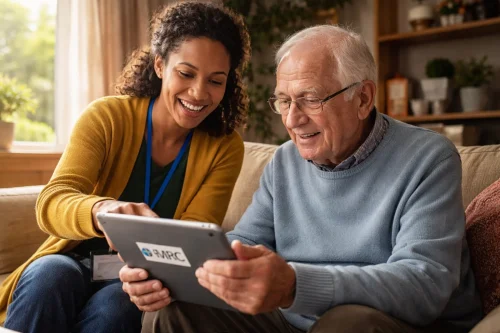
Inclusivity is central to HMRC’s strategy. Recognising the digital divide, the government has outlined several safeguards to support those who may struggle with the transition.
Key commitments include:
- A clear opt-out process for those preferring paper
- Maintaining equal standards across digital and paper formats
- Ongoing stakeholder consultations to identify accessibility issues
- Implementation of equalities impact assessments throughout the rollout
These safeguards are designed to ensure that “digital by default” doesn’t become “exclusion by design.” The success of this transition will depend on how well HMRC can balance modernisation with inclusion.
Conclusion
HMRC’s move to digital letters represents a major step in the evolution of UK tax administration. As part of a long-term strategy to digitise public services, it promises faster, safer, and more efficient communication between HMRC and the millions of individuals and businesses it serves.
However, its success will rest on several critical factors: the clarity of communications, the effectiveness of opt-out options, the robustness of data protection, and the inclusiveness of the overall rollout.
Whether you’re already engaging with HMRC online or prefer the comfort of paper letters, now is the time to review your preferences, update your details, and ensure you’re ready for the changes ahead.
Frequently Asked Questions
Will HMRC ever email me a tax letter directly?
No. HMRC will only send notifications by email or SMS prompting you to log in to your account. Letters will not be included in the email.
What if I miss an alert, will I be penalised?
You’re still responsible for reading HMRC correspondence on time. It’s important to keep your contact details updated and check your account regularly.
Can I choose which HMRC letters stay in paper format?
Some services allow selective preferences, but generally, opting out of digital communications will keep most correspondence paper-based.
Will businesses have to confirm contact details every year?
Not necessarily, but businesses will need to ensure their contact details are accurate at interaction points such as annual filing.
How can I tell if an HMRC message is real or a scam?
Legitimate HMRC messages never ask for personal details or payments. Always access your account via the official GOV.UK website or the HMRC app.
What help is available for those who don’t use the internet?
HMRC will continue to support paper-based communication and provide helpline support for those who are digitally excluded.
Can I get notifications through both email and SMS?
Yes, you can receive notifications via both channels if both contact details are confirmed in your account settings.