
Budapest has quietly become one of Europe’s most exciting culinary capitals. From historic coffee houses to contemporary fine dining rooms, the Hungarian capital serves up a dynamic blend of tradition and innovation.
It’s no surprise that groups like Zsidai Group have helped shape a scene that draws travelers back again and again.
10 Reasons Food Lovers Can’t Stop Talking About Budapest
1. A Deeply Rooted Culinary Heritage
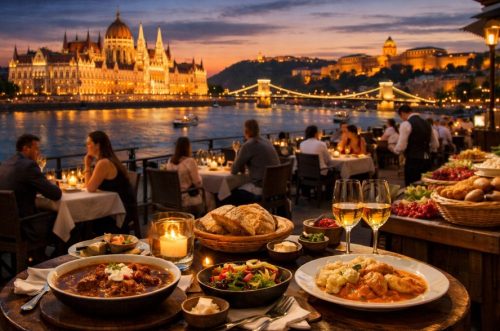
Hungarian cuisine is built on centuries of tradition, shaped by Ottoman, Austrian, and regional influences. Dishes like goulash, chicken paprikash, and fisherman’s soup are more than comfort food, they are cultural landmarks. Paprika, carefully cultivated and proudly used, gives Hungarian cooking its unmistakable warmth and depth.
Markets such as the Great Market Hall reveal how strongly locals remain connected to seasonal produce, artisanal cheeses, cured meats, and freshly baked bread. Food here is not a trend; it is an identity passed from generation to generation.
2. Historic Dining Rooms with Character
Few cities can rival Budapest’s grand café culture. Ornate interiors, marble-topped tables, and chandeliers recall a golden age when writers and artists gathered over coffee and cake.
Establishments like New York Café and Centrál Café continue this legacy, offering an atmosphere that feels both nostalgic and vibrant. Dining in these spaces is an experience in itself. The architecture, the service, and the pace all invite guests to slow down and savor the moment.
3. Reinvented Hungarian Classics
One of the city’s greatest strengths is its ability to reinterpret tradition. Today’s chefs respect classic flavors while refining presentation and technique. A traditional stew might arrive elegantly plated, lighter yet just as rich in taste.
Visitors searching for an authentic yet elevated experience often begin with a carefully chosen Hungarian restaurant Budapest has to offer, where time-honored recipes meet contemporary standards. Close to this vibrant culinary movement, Zsidai Group has played a visible role in preserving heritage while embracing innovation.
4. A Thriving Fine Dining Scene
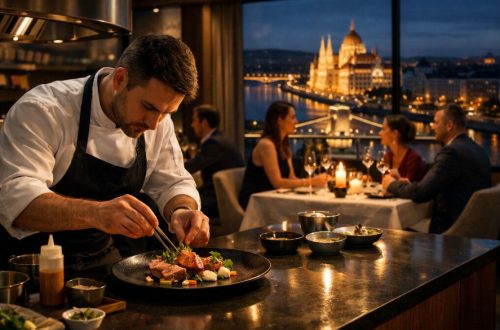
Budapest has earned international recognition through its Michelin-starred restaurants and ambitious tasting menus. Hungarian ingredients, such as mangalica pork, freshwater fish, and Tokaj wine, appear in creative, globally inspired compositions.
Chefs experiment confidently, combining Nordic precision, French technique, and Hungarian soul. The result is a dining scene that feels both cosmopolitan and unmistakably local.
5. Wine Culture with Historic Depth
Hungary’s wine history stretches back over a thousand years. Regions like Tokaj, Villány, and Eger produce distinctive bottles that pair beautifully with local cuisine. Tokaji Aszú, once known as the “Wine of Kings,” remains one of the world’s most celebrated sweet wines.
In Budapest, intimate wine bars and elegant restaurants alike showcase domestic varieties, encouraging guests to discover lesser-known grapes such as Furmint and Kékfrankos.
6. Rooftop Views and Danube Evenings
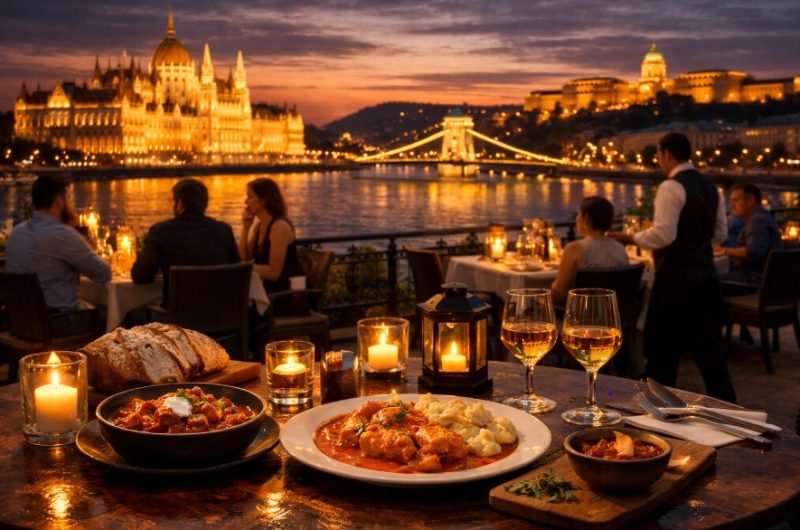
Setting matters as much as flavor. Few dining destinations can compete with the sight of the illuminated Parliament reflected in the Danube. Rooftop terraces and riverside restaurants offer unforgettable backdrops, transforming dinner into a multisensory event.
As the sun sets behind Buda Castle, the city’s skyline becomes part of the meal itself, elevating even a simple glass of wine into something memorable.
7. Street Food with Substance
Budapest’s street food scene balances indulgence with authenticity. Lángos, fried dough topped with sour cream and cheese—remains a beloved staple, while chimney cake fills the air with sweet, caramelized aromas.
Modern food courts and casual eateries reinterpret these classics, proving that fast food here can still be rooted in tradition and quality.
8. Seasonal Ingredients and Local Pride
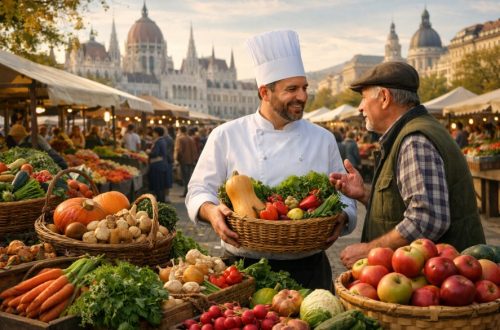
Hungarian kitchens celebrate seasonality. Spring brings asparagus and fresh herbs; autumn introduces mushrooms and game. Farmers’ markets and small producers maintain close relationships with chefs, ensuring freshness and traceability.
This dedication to local sourcing reinforces the city’s culinary integrity and keeps menus evolving throughout the year.
9. A Fusion of Cultures on Every Plate
Budapest’s position at the crossroads of Central Europe has fostered culinary diversity. Jewish, Balkan, Austrian, and Ottoman influences weave together in unexpected ways.
This layered heritage defines the flavors found throughout the city, especially in Hungarian restaurant Budapest venues where tradition and regional influence meet on every plate. This openness to cross-cultural inspiration keeps the dining landscape exciting and ever-changing.
10. Hospitality That Feels Personal
Beyond the food itself, Budapest’s warmth sets it apart. Service is attentive without being intrusive, knowledgeable without pretension. Guests feel welcomed rather than processed.
Whether dining in a centuries-old cellar or a contemporary design space, the spirit of Hungarian hospitality shines through. Culinary leaders such as Zsidai Group continue to raise standards while preserving the approachable charm that defines the city’s restaurants.
Final Thoughts
Budapest’s culinary obsession is no mystery. It lives in the paprika-scented kitchens, the candlelit dining rooms, the riverside terraces, and the bustling markets. For food lovers seeking depth, authenticity, and creativity in equal measure, this city delivers, again and again.