
UK staycations could become more expensive if the proposed tourist tax is introduced, with budget family breaks likely to be hit the hardest.
Butlins chief executive Jon Hendry Pickup has warned that a £2 per person, per night levy could push affordable holidays beyond the reach of many working-class families.
For a family of four, the extra charge could add more than £30 to the cost of a short break, significantly increasing the price of low-cost stays.
Key concerns include:
- A proposed £2 per person, per night tourist levy
- Budget family holidays potentially increasing by more than 60 per cent
- Greater financial pressure on holiday parks and seaside businesses
- More British families considering cheaper holidays abroad
- Concerns that a policy aimed at Airbnb could also affect domestic tourism
With UK staycation costs already rising, the proposed levy has sparked serious concern across the hospitality industry.
Why Is the Butlins Boss Warning Against a Tourist Tax?
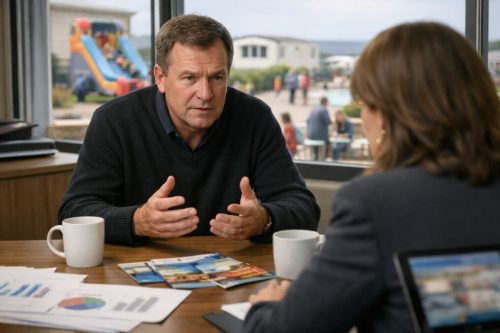
Jon Hendry Pickup, chief executive of Butlins, has become one of the strongest critics of the proposed visitor levy.
The plan being discussed could allow local authorities and mayors to introduce a tourist tax on overnight stays, with reports suggesting a charge of approximately £2 per person per night.
Pickup believes the measure would hit low-cost family holidays the hardest. In his view, the proposed levy may be manageable for luxury hotels or city breaks, but it could be far more damaging for resorts that focus on affordability.
As he explained:
“A couple of weeks ago, you’d be paying £49 for a family of four, so if you put £2 per person, that suddenly becomes out of reach of a bunch of people in the UK.”
He argues that the proposal risks undermining the very people who depend on low-cost UK breaks. Families already coping with higher food, energy and travel bills may struggle to justify a staycation if extra taxes are added.
Why Butlins Believes the Policy Is Misguided?
According to Butlins, the levy appears to have been designed primarily to target short-term city stays and the growth of Airbnb-style rentals. However, holiday parks operate very differently from private rentals.
Unlike an Airbnb property, Butlins combines accommodation with entertainment, restaurants, bars and local employment. A tourist tax applied in the same way to every business model may therefore create unintended consequences.
Key Reasons Butlins Opposes the Tourist Levy
- It could make affordable family breaks more expensive
- Holiday parks may be unfairly grouped with Airbnb properties
- Domestic travellers would effectively be taxed for holidaying within the UK
- Businesses already facing higher costs may be forced to raise prices further
Pickup has also highlighted what he sees as a contradiction between the Government’s cost-of-living messaging and the proposed levy.
“It is a holiday tax. It could be disastrous for Butlin’s and businesses like us.”
What Is the Proposed UK Tourist Tax and How Could It Work?
The proposed UK tourist tax, also known as a visitor levy, would add an extra charge to overnight stays, often suggested at around £2 per person per night.
While still under consultation, the Government has indicated that local authorities and mayors could be given the power to introduce it in their areas.
A Government spokesperson said:
“The visitor levy will ensure hugely popular cities benefit even more from tourism, giving mayors more money to put into local priorities.”
The aim is to fund infrastructure, public services, and tourism facilities. However, critics argue the tax could impact domestic travellers, as it may apply not only to major cities but also to holiday parks, campsites, and seaside resorts commonly used by UK families.
How the Tourist Tax Could Be Charged?
If the proposal moves ahead, accommodation providers may have to add the levy directly to a customer’s bill. The amount paid would depend on:
- The number of people staying
- The number of nights booked
- Whether the local area chooses to introduce the levy
| Example Booking | Nights | Guests | Potential Levy |
| Couple in hotel | 2 | 2 | £8 |
| Family of four at Butlins | 4 | 4 | £32 |
| Group of six in holiday cottage | 3 | 6 | £36 |
The table highlights why budget family breaks could be particularly affected. A £32 extra charge may not seem significant on an expensive holiday, but it is substantial when added to a break that originally costs less than £50.
How Could the Tourist Tax Affect the Price of a Butlins Break?
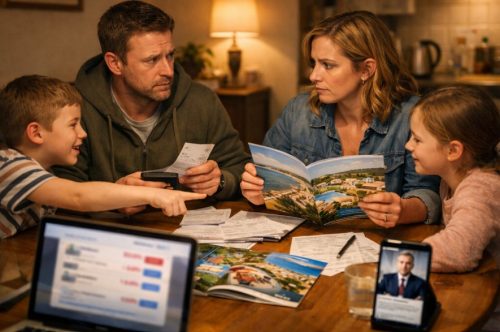
The Butlins boss tourist tax warning centres on one specific example: a four-night break for a family of four in one of the resort’s cheapest rooms.
According to Pickup, that holiday recently cost £49. With a £2 per person per night charge, the same break would face an additional £32 in tax. That would push the total cost to £81.
| Butlins Family Break | Without Tourist Tax | With £2 Levy |
| Family of four, 4 nights | £49 | £81 |
| Additional Cost | – | £32 |
| Percentage Increase | – | 65% |
For budget-conscious households, a 65 per cent increase is significant. The cheaper the original holiday, the greater the impact of a fixed nightly charge.
Real-Time Example: A Family in Minehead
I came across a situation where a family from Birmingham was planning a four-night break at Butlins Minehead during the school holidays. They had carefully budgeted £50 for accommodation and another £100 for food and travel.
However, if a tourist levy is added, they would suddenly need an extra £32 before even arriving. For many families, this could mean:
- Cutting the length of the trip
- Cancelling the holiday entirely
- Choosing a cheaper break abroad
This clearly shows why the levy could impact ordinary families the most.
Will UK Staycations Become More Expensive for Families?
Even before any tourist tax is introduced, UK staycations have become more expensive over the past few years. Rising inflation, higher accommodation costs and increased fuel prices have already pushed up the cost of domestic travel.
The proposed levy would add another layer of expense.
The Wider Cost Pressures Already Facing Staycations
Holiday businesses are currently dealing with a range of financial pressures, including:
- higher business rates
- increased National Insurance contributions
- rising minimum wage costs
- more expensive energy and food bills
- higher insurance and maintenance costs
Many of these additional expenses are already being passed on to customers. A tourist levy could therefore arrive at the worst possible time for both businesses and holidaymakers.
Why Holiday Operators Say Prices Could Rise Further
Holiday parks and hotels may have little choice but to absorb some of the new charge or pass it on through higher room rates.
Jon Hendry Pickup has argued that Butlins and similar businesses have already been excluded from some of the support given to pubs and music venues, despite offering accommodation, food and entertainment in one place.
As a result, operators fear that prices could continue rising over the next few years, making UK staycations less competitive compared with overseas holidays.
Real-Time Example: Comparing a UK Break with Spain
Let me share a simple example. I came across a family comparing a four-night stay in Skegness with a low-cost holiday to Spain. With an extra £30–£40 tourist tax, the price difference becomes much smaller, making overseas trips more appealing.
As one campaigner explained, “If UK holiday costs keep rising, more families will choose to go abroad for better value.”
Research also suggests many Britons may travel abroad if UK holidays become more expensive, which could impact local tourism.
Why Are Holiday Parks and Seaside Businesses Especially Concerned?
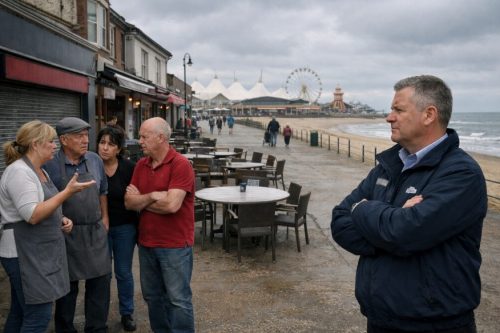
Holiday parks are often major employers in coastal communities. Butlins alone supports jobs and local spending in places such as Skegness, Minehead and Bognor Regis.
If staycations become less affordable, these towns could feel the impact quickly. Visitors staying away from holiday parks often spend money in:
- local shops
- restaurants and cafés
- pubs
- transport services
- family attractions
A drop in visitor numbers could therefore affect far more than the accommodation sector. In Somerset, campaigners have already warned that a visitor levy could threaten jobs in one of the most tourism-dependent parts of the UK.
According to regional figures, more than 377,000 people in the South West work in accommodation, food services and the arts.
For towns that rely heavily on tourism, even a small fall in visitor numbers can have serious consequences.
Is the Tourist Levy Really Aimed at Airbnb Rather Than Family Resorts?
One of the main criticisms of the proposed tourist levy is that it appears to be aimed more at short-term rentals like Airbnb rather than traditional holiday parks.
The Government’s goal is to give local areas more control over tourism and ensure visitors contribute to local services, especially in cities where short-term lets put pressure on housing, transport, and public spaces.
However, operators such as Butlins argue that holiday parks operate very differently. They employ local staff, invest in seaside communities, and provide on-site facilities while mainly serving British families.
As one industry voice explained, “It is designed to target short stays like Airbnb and does not account for different business models.”
This concern is central to the debate, with critics calling for a more targeted approach rather than a broad policy.
What Could the Tourist Tax Mean for Jobs in Hospitality?
The debate is not only about holiday prices. Many businesses fear that higher costs could also reduce employment.
Butlins has traditionally employed younger workers, often giving teenagers their first experience of work in roles such as lifeguarding, entertainment or catering.
However, recent increases in employer National Insurance and the minimum wage have already made recruitment more expensive. If businesses also face lower visitor numbers because of a tourist tax, they may recruit fewer staff.
Pickup has warned that Butlins is increasingly being pushed towards hiring older, more experienced workers because employing younger staff has become too costly.
This matters because many seaside communities already have limited job opportunities for young people. A reduction in entry-level roles could make it even harder for school leavers and students to gain experience.
Could a Tourist Tax Ever Benefit Local Areas?
Although most criticism has focused on rising costs, there are arguments in favour of a visitor levy.
Supporters say the extra money could be used to improve roads, public toilets, parks, transport and tourism infrastructure. In areas with very high visitor numbers, local councils often struggle to fund these services.
If managed carefully, a levy could potentially benefit destinations by:
- improving facilities for visitors
- protecting local communities from overcrowding
- funding tourism marketing and events
- helping councils maintain popular areas
The challenge is ensuring that the policy does not make UK holidays too expensive in the process.
A more balanced approach might include lower rates for family resorts, exemptions for children, or different rules for budget accommodation.
Conclusion
The Butlins boss tourist tax warning highlights a genuine concern. A fixed charge of £2 per person per night may appear small, but it could have a major impact on low-cost family breaks.
For a budget-conscious family, even an extra £30 can be enough to change holiday plans. Combined with rising business costs, inflation and higher taxes on hospitality, the proposed levy could make UK staycations noticeably more expensive.
At the same time, local authorities may still want extra funding to support tourism. The real challenge for the Government is finding a way to raise that money without pricing ordinary families out of a holiday in Britain.
FAQs About Butlins Boss Tourist Tax Warning
What is a tourist tax in the UK?
A tourist tax is a proposed extra charge added to overnight stays in hotels, holiday parks, guest houses and other accommodation.
How much could a visitor levy add to a family holiday?
If the charge is £2 per person per night, a family of four staying for four nights could pay an extra £32.
Would a tourist tax apply everywhere in the UK?
No. Current proposals suggest local authorities or mayors may decide whether to introduce the levy in their own area.
Why is Butlins opposed to the proposal?
Butlins believes the tax would make budget family breaks more expensive and unfairly affect holiday parks.
Could seaside towns be hit harder than cities?
Yes. Coastal towns often rely heavily on domestic tourism, so even a small drop in visitor numbers could affect jobs and local businesses.
Is the tourist levy mainly aimed at Airbnb?
Many critics believe the policy was designed to tackle the growth of short-term rental platforms, but it may also affect hotels and holiday parks.
Could holiday parks absorb the extra cost themselves?
Some businesses may absorb part of the charge, but many are likely to pass it on to customers through higher prices.