

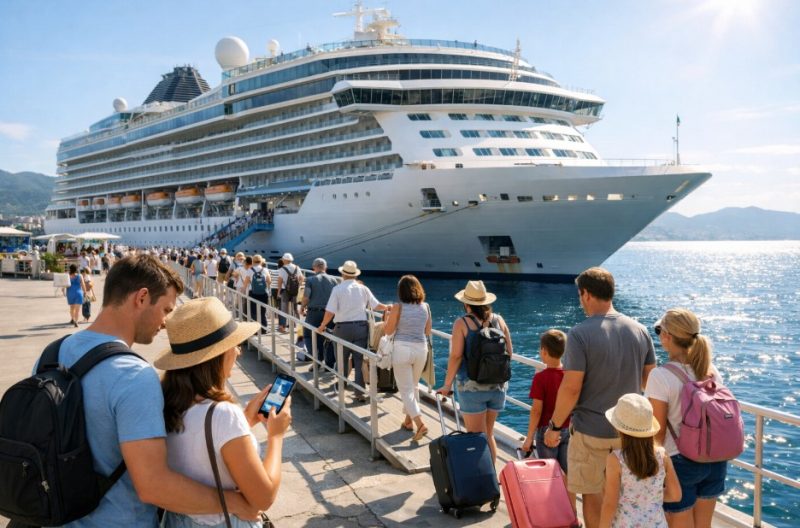
The cruise industry has always had a certain image problem. For years, it was seen as something reserved for retirees or those with money to burn – a floating hotel for people who wanted to be waited on hand and foot.
The pandemic didn’t just shake that perception; it shook the entire industry to its foundations. And what’s emerged from the other side is genuinely interesting.
When Covid hit, cruise lines were among the first to feel it. Ships sat idle for months. Bookings evaporated. The industry faced a reckoning. But travel has a funny way of bouncing back, and cruising has done exactly that, with some notable changes along the way.
How Cruise Holidays Are Evolving Post-pandemic in Today’s Travel Landscape?
A Shift in Consumer Expectations

People think about travel differently now. It’s hard to put your finger on exactly when the shift happened, but somewhere between the lockdowns, the cancelled holidays, and the endless rescheduling, something changed. Flexibility stopped being a nice-to-have and became non-negotiable for a lot of travellers.
Before the pandemic, booking a cruise was a long-haul commitment. You’d pick your dates, put down a deposit, and plan around it for the next eighteen months. That still happens, of course.
But it’s no longer the only way people approach it. Last-minute bookings have grown substantially, and it’s not hard to see why. Nobody wants to lock themselves into something far in advance when the world still feels slightly unpredictable.
For UK travellers especially, MSC last minute cruises have become a genuinely attractive option. The deals are often decent, the pressure is low, and you’re not committing to anything until you’re actually ready to go. It suits the way many people travel now, spontaneously, pragmatically, and with an eye on value.
The Appeal of Last-Minute Cruises
So what’s actually driving this? A few things, honestly.
There’s the financial angle, which matters more than ever right now. Cruise lines need to fill their ships, and unsold cabins close to departure get discounted. For travellers with flexible schedules, freelancers, empty nesters, those who can move things around, that’s a genuine opportunity.
Then there’s the psychological side. Booking late feels different to booking early. You’re not committing to something abstract that’s months away. You’re making a decision about something that’s actually happening soon, which concentrates the mind in a useful way and tends to reduce the sort of vague anxiety that can accompany long-horizon planning.
And honestly, cruises suit spontaneous travel rather well. Once you’re on board, most of the decisions are already made. Meals, entertainment, getting from one destination to another, it’s all handled. For people who want to escape without spending weeks organising the logistics, that’s a real draw.
Health and Safety on the High Seas
The pandemic forced cruise lines to take hygiene and safety seriously in ways they perhaps hadn’t before. Enhanced cleaning, improved ventilation systems, touchless check-in, clearer health protocols, these things were implemented out of necessity, but many have stuck around. Passengers noticed, and largely approved.
There’s still a degree of caution among some travellers when it comes to confined spaces and shared facilities. That’s understandable. The fact that cruise lines have maintained higher standards and built more transparency into their communications has helped rebuild confidence over time.
Flexible booking policies, ones that make it easier to change plans without losing everything, have also played a significant role in getting people back on board, so to speak.
Destinations and Itinerary Changes
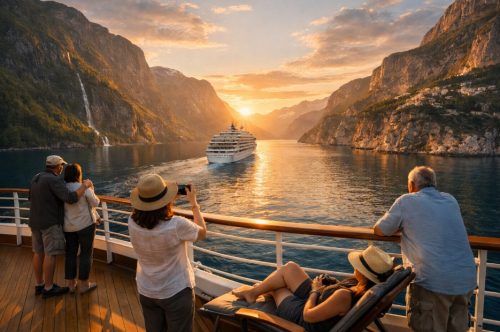
The Mediterranean and Caribbean remain popular, but there’s noticeably more variety on offer than there was five years ago.
Routes that were once considered niche, Northern Europe, the Norwegian fjords, lesser-visited parts of Asia, are drawing real interest. Travellers seem increasingly keen to explore somewhere less trampled, to visit places that feel a bit more off the beaten track.
Longer itineraries are also gaining traction. Rather than a quick week-long hop between three ports, some passengers are opting for voyages that give them proper time to immerse themselves in each destination.
Alongside this, environmental concerns are starting to shape choices in a meaningful way. Eco-conscious travellers are paying attention to which cruise lines are genuinely working to reduce their footprint, and the industry is slowly responding.
The Future of the Cruise Industry
It would be overstating it to say the cruise industry has everything figured out. There are still challenges – environmental, logistical, reputational. But the sector has demonstrated a real capacity to adapt, and that’s worth acknowledging.
The demand for flexibility isn’t going anywhere. Neither is the appetite for value, or the growing interest in travel that feels meaningful rather than merely comfortable. Cruise lines that get this right, that offer genuine variety, fair pricing, and credible sustainability commitments, are likely to thrive.
For many UK travellers, a last-minute cruise has gone from being a fallback option to a genuinely appealing way to holiday. Less planning, more adventure, and usually a better deal than you’d expect.
Whether you’re after a week in the Mediterranean or something further afield, the industry has quietly made itself much more accessible than it used to be. That, at least, is a post-pandemic development worth welcoming.