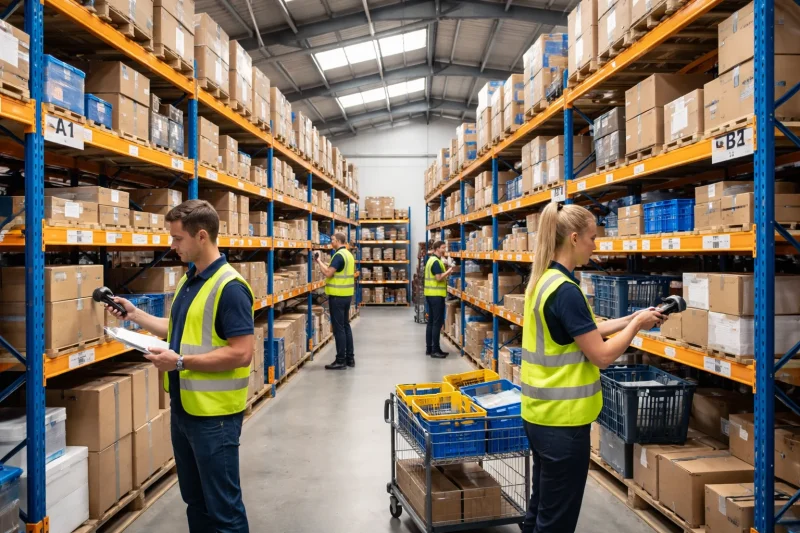
British small and medium-sized enterprises operate under increasing pressure to improve efficiency while keeping costs under control. Warehousing often becomes a bottleneck as order volumes grow and customer expectations tighten. Manual processes struggle to scale. Errors multiply. Space gets wasted. Margins shrink.
For many SMEs, warehouse performance now influences overall business stability. Stock accuracy, picking speed, and layout efficiency directly affect cash flow and customer retention. Digital warehouse systems have become a practical requirement rather than a future upgrade.
What Are the Smart Storage Solutions for British SMEs?
The Storage Pressure Facing UK SMEs
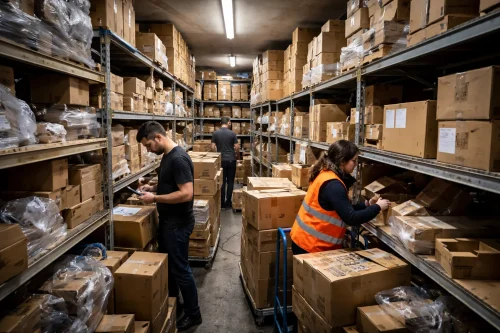
Warehouse space across the UK has become harder to secure and more expensive to maintain. Rising property costs in major logistics regions limit options for smaller firms. Many businesses operate in units that were never designed for high inventory turnover.
Poor storage control creates daily friction. Staff spend time locating items. Orders leave late. Returns increase. These issues rarely stay isolated inside the warehouse. They spread across finance, sales, and customer service.
Inventory visibility presents another risk. Without reliable inventory visibility, businesses tend to over-order as a safeguard. Capital becomes tied up in slow-moving goods. Storage fills faster. Flexibility disappears.
Digital Control as a Turning Point
The shift from manual tracking to digital warehouse systems marks a structural change for SMEs. Paper logs and spreadsheets cannot support real-time decision-making. Delays between physical movement and record updates create inventory tracking gaps that undermine operational control.
Modern warehouse management systems bring structure to daily operations. Stock movements update immediately. Locations stay accurate. Orders flow through defined stages. Managers gain oversight without constant supervision.
These systems no longer serve large enterprises alone. Scaled solutions now fit smaller operations with limited space and staff.
Cloud-Based Warehouse Systems for Growing Businesses
Cloud-based platforms have reduced entry barriers for SMEs. Setup times are shorter. Infrastructure demands remain low. Updates happen automatically.
Infios WMS from Balloon One supports inventory control, order handling, and warehouse workflows within a single system. Businesses retain operational oversight while avoiding complex in-house IT maintenance.
Subscription pricing models allow firms to align costs with usage. As volumes grow, capacity adjusts. This flexibility suits SMEs operating in uncertain market conditions.
From Manual Errors to Measured Accuracy
Manual handling creates inconsistency. Stock counts drift. Records fall behind reality. A warehouse management system reduces these risks through continuous tracking.
Every movement updates the system. Discrepancies surface early. Managers address issues before they affect dispatch. Over time, data reliability improves planning accuracy and workload balance.
Labour also benefits. Tasks align with current priorities rather than habit. Teams focus on execution rather than correction.
Cost Control Through Operational Precision
WMS adoption involves cost, but the long-term balance often favours savings. Reduced picking errors cut returns. Faster fulfilment improves customer satisfaction. Better space use delays the need for expansion.
For SMEs, predictability matters more than scale. Knowing where stock sits and how fast it moves supports confident purchasing decisions. Cash flow stabilises. Waste declines.
Optimising Space Within Existing Warehouses
Limited square footage demands smarter layout decisions. Vertical storage increases capacity without relocation, while warehouse space utilisation becomes a defining factor in sustaining capacity within fixed footprints. Adjustable racking adapts as product ranges change.
Slotting strategies improve efficiency. High-turnover items stay accessible. Similar products group together. Picking routes become shorter. Output increases without extending shifts.
These changes rely on accurate data. Without system support, layout adjustments remain guesswork.
Smarter Labour Allocation
Warehouse systems support better task distribution. Workloads shift based on live demand rather than fixed zones. Staff move where pressure exists.
Labour inefficiency often hides in routine scheduling. Without real-time visibility, managers assign staff based on habit rather than demand. This leads to uneven workloads, overtime pressure, and declining morale, affecting labour productivity in warehouse operations. Live warehouse data allows shifts to adjust dynamically, aligning people with actual operational needs instead of static plans.
This approach reduces idle time and prevents congestion. Productivity rises without adding headcount. Managers gain visibility into workflow performance and can adjust layouts accordingly.
Integration Across Business Systems
Warehouse performance improves further when systems connect. System integration across business operations reduces duplication between inventory, accounting, ecommerce, and shipping. Data stays consistent across departments.
Orders move from sale to dispatch without manual re-entry. Errors drop. Response times improve. Teams operate with shared visibility.
Disconnected systems create silent friction across the business. When warehouse data does not align with finance or sales records, errors surface late and cost more to correct.
Inconsistent stock figures delay invoicing, block fulfilment, and weaken reporting accuracy. Integrated systems reduce these risks by keeping operational data consistent across departments.
Planning for Long-Term Growth
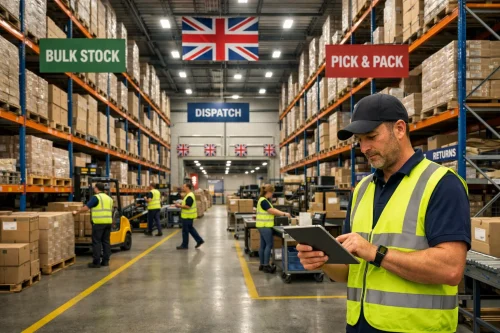
Scalable systems protect investment. SMEs avoid frequent platform changes as operations expand. Features activate when needed rather than upfront.
Changing core systems during growth introduces disruption and hidden cost. SMEs relying on rigid platforms often face operational slowdowns when volumes increase. Scalable warehouse systems reduce this risk by supporting gradual expansion without forcing process redesign. Continuity becomes a growth asset rather than a constraint.
Omnichannel fulfilment has become standard. Warehouses now support retail, wholesale, and direct-to-consumer flows simultaneously, reflecting the operational demands of omnichannel fulfilment. Unified systems simplify this complexity.
Automation tools have also become more accessible. Barcode scanning and basic sorting reduce manual strain. Medium-sized operations increasingly adopt assisted movement solutions as volumes justify change.
Data-Driven Decision Making
Modern warehouse systems extend beyond record keeping. Performance data highlights seasonal patterns, underused space, and process delays.
Managers adjust reorder points, staffing levels, and storage allocation based on actual movement patterns rather than assumption. Small corrections made consistently protect cash flow, prevent space saturation, and strengthen daily operational control.
This clarity supports resilience. SMEs respond faster to demand shifts and supply constraints.
Clear visibility, structured workflows, and scalable systems give businesses control over cost, space, and labour. With the right foundations in place, warehouses stop reacting to pressure and start supporting sustainable growth.