

Choosing the right hair surgeon is one of the most important decisions you’ll make when treating hair loss. The results depend not only on surgical skill but also on the surgeon’s understanding of natural aesthetics and long-term care. Luckily for you, in Brighton, you will be spoilt for choice.
Finding someone with proven experience and medical integrity can make all the difference to your confidence and results. Stay until the end of our guide to learn how to choose the right surgeon and what to look out for before your treatment begins.
What Are the 6 Crucial Tips for Choosing the Right Hair Surgeon in Brighton?
1. Surgeon Expertise
When choosing a surgeon in Brighton, or anywhere around the UK for that matter, experience and medical background should be your first considerations.
A qualified hair surgeon should be GMC-registered and have extensive training in both FUE and FUT transplant methods. These techniques require precision and a strong understanding of natural hair growth patterns.
If you’re considering a hair transplant in Brighton, it’s worth looking for a surgeon who combines medical expertise with an artistic approach to ensure results that look completely natural.
The best surgeons work at a sub-millimetre level, carefully placing each graft to create a realistic and age-appropriate result. This meticulous method means that not all surgeons are equally skilled and committed to perfect results.
Look Through Their Portfolio
When researching, look for surgeons who can show a consistent portfolio of successful cases. Patient before-and-after photos, particularly those taken at least 12 months post-surgery, provide the best insight into a surgeon’s work and approach.
A hair transplant is a permanent procedure, so your choice should never be rushed. Take time to confirm that your surgeon personally performs the procedure, rather than delegating it to technicians. This hands-on involvement often reflects higher standards of safety and quality.
2. Transparency and Personalised Planning
A good surgeon will never recommend surgery immediately. Instead, they’ll take time to understand your hair loss pattern, medical history, and goals before creating a personalised plan. This slow process ensures that every transplant is done when absolutely needed, and looks natural and complements your existing hair.
During your consultation, your surgeon should assess donor areas, discuss realistic outcomes, and explain graft numbers clearly. Many reputable clinics use graft calculators to estimate how many follicles might be needed for full coverage.
They’ll also outline the recovery process, including timelines for growth. Typically, new hair appears within 3–4 months, with final results in 12–18 months.
Ask Questions
Transparency also means open discussion about risks and expectations. Ethical surgeons will tell you what’s achievable and what isn’t. Ask your surgeon anything you can think of and be open about your concerns. They’ll guide you through non-surgical options if those might be more suitable at your stage of hair loss.
Always be cautious of clinics that make exaggerated promises or offer generic packages without individual assessment.
3. Reviewing Patient Experience and Aftercare

A surgeon’s commitment doesn’t end once the surgery is complete. Quality aftercare is just as vital for achieving lasting results. The best surgeons follow up with patients to track progress and provide tailored advice for every recovery stage.
Look for clinics that offer one-to-one post-surgery support and regular review appointments. This ensures you’re healing correctly and that the transplanted follicles are responding as expected.
Aftercare often includes professional washing instructions, advice on avoiding infection, and monitoring early growth signs.
Look Up Their Reviews
Patient feedback also says a lot about a surgeon’s professionalism. Reviews mentioning clear communication, supportive follow-up, and visible improvements after several months are encouraging.
Reputable clinics don’t just aim for good cosmetic results, they focus on patient well-being and confidence throughout the process.
4. Surgical Accreditation and Professional Memberships
Another sign of reliability is professional accreditation. Surgeons associated with organisations like the British Association of Hair Restoration Surgery (BAHRS) or the International Society of Hair Restoration Surgery (ISHRS) follow recognised standards of medical ethics and patient care.
Accredited professionals commit to continuous training, updated safety protocols, and peer-reviewed best practices. This helps ensure your procedure is performed under strict clinical guidance and medical accountability.
Membership in these bodies also demonstrates a surgeon’s dedication to staying at the forefront of evolving surgical techniques, something that directly benefits patients seeking natural, lasting outcomes.
5. Technology and Surgical Techniques
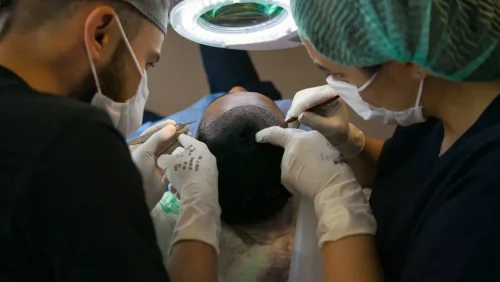
A clinic’s approach to technology can significantly affect the success of your transplant. Leading practices use:
- Advanced microsurgical tools
- Graft calculators
- High-quality magnification systems
- Precision extraction devices
- Latest and most optimal surgical techniques
Modern FUE and FUT procedures minimise scarring and preserve hair density, but the surgeon’s technical ability remains the deciding factor. During consultation, ask how they ensure graft survival rates and what innovations they use to enhance accuracy and comfort.
An experienced surgeon will explain each step clearly and show evidence of consistently natural regrowth using these techniques. This transparency builds confidence and helps you feel prepared for the procedure ahead.
6. Cost vs. Value
While price is a practical factor, it should never be the deciding one. Lower costs often indicate shortcuts in care, inexperienced teams, or limited follow-up support. Instead, focus on value, which is the combination of surgical expertise, medical safety, and long-term success.
The average hair transplant cost in the UK starts from around £3,000, though prices vary based on graft numbers and complexity. A trustworthy surgeon will break down these costs clearly, explaining what’s included in your package such as consultations, surgery, and aftercare visits.
Your investment should lead to lasting, natural results rather than quick fixes. Choosing a qualified and transparent professional ensures your safety and satisfaction.
Bringing It All Together
Finding the right hair surgeon in Brighton is all about trusting someone who combines medical precision, experience, and care. The best results come from surgeons who put your health and long-term confidence first.
By evaluating qualifications, clinic standards, ethical planning, and aftercare, you’ll be in a strong position to make the right choice. Always remember to consult with a qualified healthcare professional before making any medical decision so you understand what’s right for you.
Choosing wisely now might not just restore your hair, it might restore your confidence for years to come.