


Setting up an office is one of the first big expenses for many small businesses, and it’s easy to get carried away or, equally, to cut corners in the wrong places. Furniture is a good example. A few smart choices can keep costs under control without leaving your team uncomfortable, while a few poor ones can end up costing far more in the long run.
Here’s how to approach it sensibly.
Work Out What You Really Need?
Start by listing what the business needs today, not what it might need in three years. How many people will be in the office on an average day? Do they need dedicated desks, or can some share? How much storage do you need? A clear brief stops you buying surplus items, and it gives you something to measure quotes against.
It also helps to measure the room properly and sketch a simple layout. Many businesses discover that what they thought would fit won’t, and finding out before you order is much cheaper than finding out afterwards.
Spend First on the Things People Use Most
Not every piece of furniture deserves the same budget. A meeting table gets used for an hour or two a week. A chair gets used for hours every single day. That difference should shape where the money goes.
Good seating is where it’s worth being generous. A set of ergonomic office chairs supports the back, can be adjusted for different people and helps reduce the aches that build up over a working week.
That matters for staff wellbeing, and it also matters to your bottom line, because uncomfortable employees are more likely to take breaks, lose focus or, over time, take time off.
If you need to save, do it on items that don’t affect daily comfort, such as side tables, decorative pieces or extra storage that can wait.
Compare Properly
Once you know what you need, compare a few suppliers. Look at more than price: check what’s included, how long delivery takes, what the warranty covers and whether replacement parts are available. A slightly higher price can be the better deal if the item lasts twice as long.
When you’re looking at office chairs, pay attention to the adjustments on offer, the materials and the weight each model is built to carry. If you can, try them out before buying, or ask whether the supplier can arrange a trial. A chair that feels fine for two minutes may be less impressive after two hours.
Second-hand and refurbished items can be worth considering for desks and tables, provided they’re in good condition and come from a reputable seller. Seating is trickier, because wear on cushioning and adjustment mechanisms is hard to judge, so it usually pays to buy chairs new.
Don’t Forget the Hidden Costs
The price on the invoice isn’t always the full picture. Think about delivery and assembly, whether you’ll need to dispose of old furniture and whether you’ll need any extra items, such as monitor arms, footrests or cable management, to make the setup work properly.
It’s also worth keeping a small contingency. Something almost always turns out to be the wrong size or needs replacing sooner than expected.
Think About Storage Early
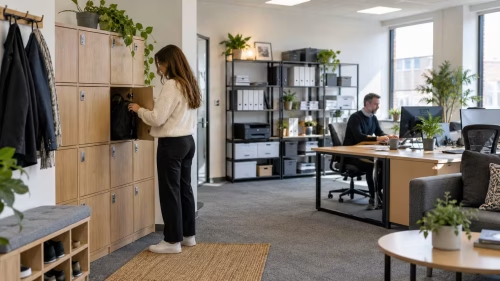
Storage is easy to leave until last, then squeezed in wherever there’s space. Planning it alongside desks and seating makes a real difference.
Staff need somewhere to leave coats, bags and personal items, and the business needs a tidy way to keep documents and equipment. Even a simple bank of personal storage near the door keeps desks clear and the office looking professional when visitors arrive.
Consider Flexibility
Small businesses change quickly. A team of three can become a team of eight within a year. Choosing furniture that’s easy to reconfigure, or that you can add to later in the same range, saves you from having a mismatched office down the line.
Modular desks, stackable chairs for meeting areas and adjustable pieces that suit a range of people all give you room to grow without starting again.
A few quick checks before you buy:
- Measure doorways and corridors so items can be delivered and moved in.
- Check that every chair has the adjustments your team will actually use.
- Ask about warranties and what happens if a part fails.
- Look at how easy each item is to clean and maintain.
- Keep a record of everything you buy, in case you need to reorder.
Involve your team
Finally, ask the people who’ll be using the furniture. A five-minute conversation with your staff about what they find uncomfortable or annoying in their current setup can save you from buying the wrong thing. It also helps people feel the new office has been designed with them in mind, rather than simply handed to them.
Think long term
Furniture isn’t glamorous, but it quietly affects how your business works. Good pieces last, keep people comfortable and need less replacing. Cheap ones often end up costing more.
By being clear about your needs, spending where it counts and comparing options carefully, you can furnish a small office on a sensible budget without compromising on the basics. It’s a decision worth taking time over, because the people sitting in those seats will feel the results every working day.