

When managing finances, people often wonder how closing a bank account might affect their credit score. In the UK, credit scores are used by lenders to assess financial behaviour, so understanding the potential implications of closing an account is important.
Although closing a bank account doesn’t directly influence your credit score, it can indirectly cause changes under certain circumstances.
This blog explores what really happens behind the scenes and offers practical advice for minimising any negative outcomes while staying financially responsible.
What Is a Credit Score and How Is It Calculated in the UK?
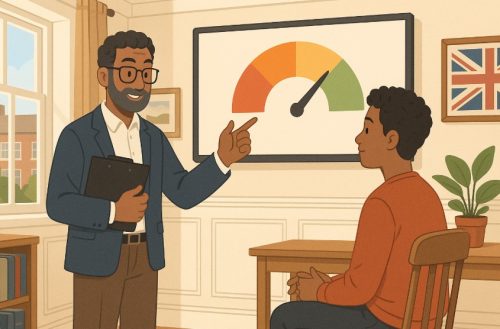
A credit score in the UK is a number that represents how reliably someone manages credit. It helps lenders decide whether to offer credit, loans, or financial products. The score is calculated by credit reference agencies based on information in your credit report.
Key components include:
- Payment history: Consistency in paying credit bills on time
- Credit utilisation: How much credit is used versus what’s available
- Length of credit history: Older accounts generally improve your score
- Types of credit: A mix of credit cards, loans, and mortgages helps
- Recent activity: New credit applications and account openings
Credit scores typically range between 300 and 999, depending on the agency. The higher the score, the better your perceived creditworthiness.
Do Bank Accounts Directly Appear on Credit Reports?
No, standard bank accounts such as current or savings accounts do not appear on your credit report. UK credit reference agencies don’t monitor day-to-day banking activity like deposits or withdrawals. This means that simply opening or closing a bank account is not recorded on your credit file.
However, if the bank account includes an overdraft facility, any unpaid debt or overdraft usage that goes into default may be reported. In such cases, it becomes part of your credit record as a form of credit usage.
Therefore, while bank accounts themselves aren’t tracked, any debt-related activity from them can have an impact.
How Can Closing a Bank Account Indirectly Affect Your Credit Score?
While closing a bank account doesn’t directly affect your score, it can have indirect consequences depending on the circumstances. This happens when the closure influences key credit scoring factors.
Potential indirect impacts include:
- Ending a positive financial relationship
- Shortening your average credit age
- Affecting credit utilisation if the account is linked to a credit facility
- Disrupting automatic payments, leading to missed bills
These effects are more likely if the account was longstanding or had an attached overdraft. As such, closing an account might appear harmless but can subtly reduce your score if not handled properly.
Could It Shorten Your Credit History?
Yes, closing an account that you’ve had for a long time may reduce the average age of your credit accounts. Credit scoring models often favour consumers who have long-term financial relationships with lenders or financial institutions.
For instance, an account open for over a decade shows stability and reliability. If you close it, you eliminate that history from your active accounts, even though the record may stay on your credit report for up to six years. This reduction in the average age of your accounts could result in a small drop in your credit score.
Can It Impact Credit Utilisation Ratios?
Credit utilisation refers to how much credit you’re using compared to your available credit. It’s a crucial factor in determining your score.
While current or savings accounts typically don’t count towards your credit utilisation, those with overdraft limits do. If you close an account with a positive overdraft facility, you reduce your total available credit.
This change may increase your utilisation ratio if you carry balances on other credit products, making you appear more financially stretched. Lenders may interpret this negatively, resulting in a reduced score.
What Happens If You Close an Account with an Overdraft or Negative Balance?
Closing a bank account that is overdrawn or has a negative balance can lead to serious financial and credit-related consequences. This is because the unpaid amount is considered a form of debt.
Default Reporting
If the overdraft remains unpaid, your bank may report it to a collection agency. This debt then becomes part of your credit history, marked as a default, which can significantly reduce your score.
Collection Impact
Once reported to collections, the negative entry may remain on your credit file for up to seven years. Even if you pay it off later, the historical default can still affect lender decisions.
Damaged Financial Reputation
Beyond scoring, having an unpaid overdraft on record damages your financial trustworthiness in the eyes of lenders, mobile providers, or rental agencies.
Avoid this by settling any balance in full before initiating the closure to prevent future complications.
What Steps Should You Take Before Closing a Bank Account?

Before closing any bank account, it’s important to follow a checklist to avoid indirect credit consequences and ensure a smooth transition.
Steps to take:
- Clear all outstanding balances, including overdraft fees or pending charges
- Transfer direct debits and standing orders to your new account
- Withdraw or move remaining funds to prevent account inactivity fees
- Request written confirmation from the bank after the account is closed
- Monitor your old account for 30–60 days in case of delayed charges
By carefully handling these steps, you reduce the risk of negative reporting or failed payments.
How Long Does a Closed Bank Account Stay on Your Credit Report?
Once a bank account is closed, it doesn’t instantly vanish from your credit report. In the UK, closed accounts, especially those linked to credit or overdrafts, typically stay on your file for up to six years.
The closed account’s status will change to “settled” or “closed” but its historical data, positive or negative, continues to influence your score during that period. This is beneficial if the account was well-managed, as it adds to your positive credit history.
On the other hand, if the account was closed with unpaid debt, it can damage your profile long after the account itself no longer exists.
Are There Better Alternatives Than Closing a Bank Account?

In many cases, closing a bank account isn’t the only or best option. Leaving an unused account open or switching instead of closing may provide better outcomes for your credit profile.
Consider these alternatives:
| Alternative | Benefit |
| Keep the account open | Maintains credit age and shows financial consistency |
| Switch to a new provider | Often comes with bonuses and automatic transfer |
| Remove overdraft feature | Keeps account active but with no credit implications |
| Make it your savings buffer | Useful for emergencies while keeping history alive |
Unless the account is costly to maintain or poses a fraud risk, keeping it may be more beneficial.
How Can You Rebuild or Maintain Your Credit Score After Closing an Account?
If your credit score has been affected by closing a bank account, there are ways to rebuild and maintain your credit health.
Steps to follow:
- Monitor your credit report regularly through platforms
- Use credit-builder tools like secured cards or financial apps
- Keep credit utilisation below 30%
- Make payments on time across all credit accounts
- Avoid multiple credit applications in a short period
Additional Tips:
- Set reminders for payment due dates
- Enable direct debits for credit cards
- Check for outdated or incorrect entries in your credit report
Maintaining these habits will help you build a strong, resilient credit profile over time.
Conclusion
Closing a bank account doesn’t directly affect your credit score in the UK, but it can trigger subtle changes depending on your financial situation.
Accounts linked with overdrafts, automatic payments, or long credit histories should be managed carefully. With the right steps and awareness, you can close an account without damaging your financial credibility. Focus on proactive planning and always monitor your credit health for the best outcomes.
Frequently Asked Questions
Can Closing a Joint Bank Account Affect My Partner’s Credit?
Yes, especially if it was linked to any form of credit or had payment responsibilities. Joint account history may appear in linked credit files.
Will Cancelling Direct Debits or Standing Orders Affect My Score?
Not directly, but failing to properly reroute them can lead to missed payments, which will negatively affect your credit score.
How Do Banks Report Collections from Overdrawn Accounts?
Banks may report unpaid overdrafts to debt collectors, who can then report this to credit reference agencies, damaging your score.
Can a Dormant Account Be Reactivated Without Impacting My Credit?
Yes, if no debts or issues exist. Reactivating doesn’t hurt your score but may require identity re-verification.
Does Opening a New Account Immediately After Closure Hurt My Score?
No, not typically unless a hard credit check is performed or you open too many in a short period.
Should I Close Unused Business Bank Accounts?
If they aren’t linked to debt, closing business accounts usually has no personal credit impact — but best to confirm with your bank.
How Can I Spot Credit Score Changes After Closing an Account?
Use free UK tools like ClearScore, Credit Karma or Experian to track changes over time and identify if the closure had any real effect.