

What does the future look like for Royal Mail employees after years of uncertainty? With rising living costs, historic strikes, and new leadership, the latest pay agreement between Royal Mail and the Communication Workers Union (CWU) marks a major turning point.
The newly proposed three-year deal includes a structured pay increase, new employee incentives, and improved working terms. But what exactly does this agreement mean for workers? And how will it reshape the Royal Mail’s long-standing operational and employment landscape?
This blog breaks down the deal’s actual value, its broader implications, and what employees can expect moving forward.
Why Is the Royal Mail CWU Pay Deal So Important Right Now?
The Royal Mail CWU pay deal comes at a crucial time, reflecting years of disputes, shifts in ownership, and economic turbulence. From prolonged strikes to widespread inflation, workers have faced immense challenges.
Several key developments add to the urgency of this agreement:
- Strikes in 2022 and 2023: Employees protested over stagnant wages and working conditions.
- CPI inflation surges: Wages were not keeping pace with cost of living increases.
- Ownership change: A major transition occurred with Czech billionaire Kretinsky acquiring IDS, the parent group of Royal Mail.
- Leadership overhaul: Kretinsky is now set to chair Royal Mail, indicating a strategic shift.
This deal is not just a pay rise, it symbolises a fresh chapter. After years of friction between CWU and Royal Mail management, the deal represents a move toward more stable and respectful industrial relations.
The endorsement of the agreement by CWU’s Postal Executive, and the promise of a fairer work environment under new ownership, makes this moment particularly significant. It offers hope for better pay, conditions, and trust between leadership and staff.
What’s Included in the Three-Year Pay Settlement?
The three-year pay deal is comprehensive, reflecting the effort to provide stability and fairness to Royal Mail employees.
Key highlights of the pay settlement include:
- Year One (2025): A guaranteed 4.2% increase across base pay, overtime, and scheduled attendance.
- Years Two & Three (2026–2027): Pay increases tied to inflation (CPI), with a minimum of 2% per year.
- Reopener Clause: If inflation exceeds 3%, both sides can renegotiate for fairer compensation.
- Backdating: The Year One pay rise will be fully backdated to 1 April 2025, ensuring employees receive owed sums.
This settlement addresses the core concern of postal workers, consistent and inflation-matching pay. Unlike previous fragmented agreements, this deal brings a multi-year structure, removing the stress of annual disputes and short-term adjustments.
How Is the Pay Increase Structured Across Three Years?
The pay deal is designed to ensure financial predictability and resilience for Royal Mail employees amid fluctuating economic conditions. The structure of the agreement reflects both guaranteed growth and flexibility through inflation-based adjustments.
In Year One, employees receive a 4.2% raise, fully backdated to April 2025. This immediate boost applies across base pay, overtime, and attendance allowances.
For Years Two and Three, raises will be linked to CPI. If CPI falls below 2%, employees still receive a guaranteed 2%. If CPI rises above 3%, both parties retain the right to reopen negotiations, ensuring fairness in volatile economic conditions.
Three-Year Pay Structure
| Year | Pay Increase | Notes |
| 2025 | 4.2% | Fully backdated to 1 April 2025 |
| 2026 | CPI-linked (min 2%) | Subject to reopener clause if CPI > 3% |
| 2027 | CPI-linked (min 2%) | Same reopener condition applies |
This table confirms the clarity and security of the proposed salary trajectory.
How Much Will Royal Mail Workers Earn Now?
With the 4.2% pay increase for 2025, many Royal Mail employees will see a notable improvement in their earnings. This increase extends beyond just the base pay, it also applies to scheduled attendance, overtime, and other associated allowances.
For a full-time postal worker earning around £25,000 annually, a 4.2% increase represents an additional £1,050 per year before taxes.
In practical terms, this boost helps offset the rising costs of living that workers have been burdened with over the past two years. Moreover, as the following years are tied to inflation, it provides assurance that wages will not fall behind economic pressures.
This means employees can expect earnings that adapt with the market, helping them maintain financial security through to 2027.
The inclusion of minimum thresholds ensures even in low-inflation periods, a baseline increase is guaranteed, reinforcing the deal’s long-term value.
Will the Pay Deal Be Backdated and What Does That Mean for Workers?
Yes, the pay deal will be fully backdated to 1 April 2025. This decision adds substantial value to the agreement by acknowledging the period when employees worked without a confirmed pay rise.
Backdating the 4.2% increase means eligible workers will receive a lump sum representing the missed pay from April until the implementation date.
For many, this back pay will offer immediate financial relief and recognise their continued efforts during negotiation delays. It also sets a positive precedent, reinforcing that future agreements can be respected even when implementation takes time.
The decision to include back pay in the settlement reflects a genuine step forward in labour relations, offering not just financial restitution, but also a symbolic gesture of goodwill and appreciation toward staff. It aligns with the overarching goal of the deal, to rebuild trust between management and employees.
When Will the Pay Increases Be Applied?
The pay increases, including the backdated amount, will be applied once the CWU ballot concludes with a positive result. The ballot will be issued shortly, with the union recommending members to accept the offer.
Upon approval, Royal Mail will proceed with implementing the pay adjustment retroactively from 1 April 2025. Staff can expect to see the updated figures in their payslips soon after the agreement is ratified, with back pay calculated from the start of the financial year.
The timeline provides a reasonable expectation for workers while ensuring all adjustments align with the agreed framework. The clarity on timing reassures employees that recognition and pay improvements will not face further delays once union approval is secured.
Are All CWU Grade Employees Covered?
Yes, the agreement comprehensively includes all CWU grade employees across the Royal Mail Group. This clarity is significant, especially following years of fractured negotiations where some departments felt excluded.
It covers frontline postal workers, administrative staff, and those in associated divisions like Royal Mail Property & Facilities Services.
The wide scope of inclusion ensures that no group is left behind and reinforces the CWU’s role in securing equitable benefits for all its members.
Furthermore, the EP Group’s involvement in drafting this deal signals a stronger commitment to workforce unity. By clearly defining who benefits from the new terms, the agreement avoids ambiguity and sets a transparent precedent for future negotiations.
This inclusivity enhances morale, prevents internal division, and strengthens the collective power of union membership.
What Are the Key Improvements to Working Conditions?
The agreement is not solely about pay; it also promises to enhance working life through various structural changes. These improvements aim to create a more sustainable and motivating work environment.
Key changes include:
- New incentive scheme: Designed to offer achievable additional earnings without compromising service quality.
- Employee Collective Benefit Trust: Workers will receive 10% of any future dividends once Royal Mail returns to profit.
- Priority for overtime: Permanent staff will have first access to overtime and scheduled attendance before casual workers.
- Improved redundancy terms: Maximum voluntary redundancy (VR) entitlement now increased to 52 weeks.
- Agency staff reduction: Commitment to hiring more permanent staff by reducing reliance on agency labour.
Royal Mail is shifting to value workers as key stakeholders, not just labour. Improved VR terms and working conditions aim to boost job security and employee engagement.
What Does Rebuilding Royal Mail Mean for Employees and the Business?
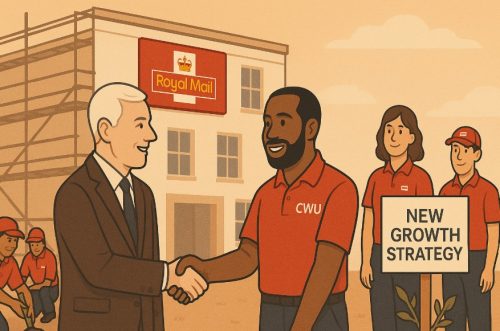
The “Rebuilding Royal Mail” initiative represents more than just policy change, it marks a philosophical shift in how the organisation operates post-dispute and post-takeover.
A New Leadership Ethos
Under EP Group’s sole ownership and the leadership of Kretinsky, Royal Mail is moving away from combative labour relations. The new agreement reflects cooperation and a future-focused strategy aimed at rebuilding internal trust.
Resetting Industrial Relations
Both parts of the agreement, December 2024 and the current deal, have been designed to mend the relationship between employees and senior management. The structure of negotiations suggests a deliberate reset of employee relations based on mutual respect.
Encouraging Growth and Innovation
For the first time, Royal Mail has expressed willingness to collaborate with employees on growth initiatives. The company is prioritising frontline involvement in shaping product and service evolution. A formal growth strategy is expected by December 2025.
This new direction brings hope of long-term transformation. While many challenges remain, the tone and commitments of the agreement demonstrate a genuine attempt to rebuild from the inside out, fostering employee confidence in leadership.
How Are New Entrants’ Terms and Conditions Being Equalised?
Equal treatment for new entrants has been a long-standing issue within Royal Mail, and this agreement takes significant steps toward addressing it. Both CWU and Royal Mail have committed to a timeline that ensures progress on this front.
By September 2025, the first step in the equalisation plan will be in place, followed by a complete roadmap by December 2025. These commitments ensure that new entrants will not be stuck on inferior terms indefinitely.
The agreement also recognises the time new entrants have already spent in service, giving them fair credit towards progression.
This effort reflects a broader cultural shift towards fairness and equity. The CWU encourages all new entrants to join the union, reinforcing their collective bargaining strength. This solidarity is essential to ensure equalisation happens efficiently and effectively for all affected employees.
What Is the Impact of Decoupling Pay from USO Reform?
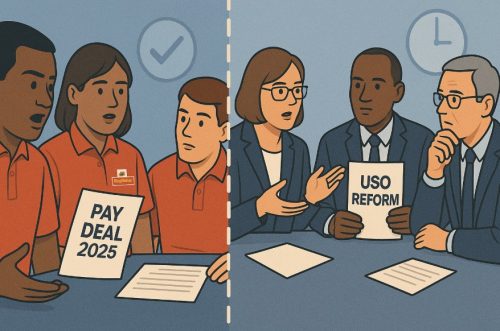
Separating pay discussions from Universal Service Obligation (USO) reforms is a defining element of the new agreement. For years, Royal Mail’s efforts to link pay with USO changes created confusion and tension, as many feared service cuts or workload increases.
By decoupling these two issues, the agreement allows for a more transparent and targeted approach to each.
Key impacts of the decoupling include:
- Clearer negotiations: Each issue can now be addressed on its own merits without one influencing the outcome of the other.
- Pilot programme transparency: All USO reform efforts will remain in pilot stage until a separate agreement is finalised.
- Employee protection: No nationwide deployment of USO reforms until lessons from the pilot sites are fully reviewed and addressed.
This move demonstrates a more thoughtful and measured approach from leadership. It signals a positive change in how decisions will be implemented moving forward, with a focus on consultation and fairness.
CWU and Royal Mail will continue separate talks on USO reform, aiming for a final agreement by 18 July, giving the workforce confidence in a well-managed transformation process.
How Does This Agreement Compare to Past Royal Mail Pay Deals?
Unlike previous agreements, which were often short-term and reactive, this deal offers a structured, forward-looking approach. The three-year settlement provides clarity and financial predictability, something rarely achieved in past negotiations.
Earlier pay deals were frequently disrupted by disputes, delays, and mistrust between Royal Mail and the CWU. Employees were left feeling uncertain, often unsure if agreements would be honoured or implemented in full.
By contrast, this agreement builds on the trust restored through the December 2024 agreement and commits to delivering tangible improvements not only in pay but also in working conditions.
The added features, like the incentive scheme, benefit trust, and new industrial relations framework, highlight how this deal goes beyond pay.
It lays a foundation for a more sustainable working relationship and employee-centric policy development. This represents a notable evolution in labour relations at Royal Mail.
Conclusion
The Royal Mail CWU pay deal is a pivotal agreement that not only delivers a real pay increase but also initiates a broader cultural reset. With improved earnings, fairer conditions, and a multi-year structure, it provides much-needed certainty for thousands of workers.
The clear inclusion of all CWU grades, a new leadership vision, and the separation of pay from USO reforms further elevate this deal above past efforts.
This moment symbolises not just recovery from past disputes but a real opportunity to build a better, fairer, and more united Royal Mail. The next steps now rest with CWU members through the ballot process.
FAQs About Royal Mail CWU Pay Deal
What Is the CWU Ballot Process and When Will It Conclude?
The CWU will issue a ballot shortly with a recommendation to accept the deal. Results and implementation are expected within weeks of member voting.
Are Voluntary Redundancy Terms Improved for All Employees?
Yes, the maximum entitlement has increased to 52 weeks, giving employees more options and flexibility for exit planning.
Will the Employee Collective Benefit Trust Provide Financial Rewards Soon?
Employees will receive 10% of any dividends once Royal Mail returns to profit, offering long-term financial benefits.
How Has the Royal Mail Pay Deal Affected Company Reputation?
The deal has improved Royal Mail’s reputation by showing a renewed commitment to fair pay and industrial relations.
What Is the Expected Timeline for Finalising Sick Pay Improvements?
A new sick pay agreement is set to be concluded by September 2025 as per the Rebuilding Royal Mail initiative.
Will New Entrants See Immediate Benefits Under the New Agreement?
Initial changes begin by September 2025, with full equalisation plans confirmed by December 2025.
How Has the Royal Mail Deal Influenced Other UK Union Negotiations?
The structured and inclusive approach of this deal is being seen as a model for other unions across the UK.