


Applying for a mortgage is a major financial step, and lenders want reassurance that borrowers are financially responsible. One of the ways they assess this is by reviewing recent bank statements. But how far back do mortgage lenders look at bank statements?
Typically, the window is 3 to 6 months, though this can vary depending on the lender, type of mortgage, and borrower profile.
Understanding why this timeframe matters and what lenders are looking for can help applicants prepare thoroughly and increase their chances of approval.
Why Do Mortgage Lenders Ask for Bank Statements?

Mortgage lenders request bank statements to evaluate your financial behaviour and verify your income. These documents provide insight into how you handle money and whether you can manage a mortgage.
- Income Confirmation: Lenders check for consistent salary payments, usually from the same employer and at the same intervals.
- Spending Overview: This includes evaluating your day-to-day expenses, from groceries and travel to entertainment and subscriptions.
- Outstanding Debt: All monthly obligations like loans, credit cards, and finance repayments are reviewed.
- Deposit Legitimacy: Your deposit must be “seasoned,” meaning it has been in your account for some time, and it must come from traceable sources.
- Financial Red Flags: Gambling, payday loans, unpaid bills, or frequent overdrafts can negatively impact your application.
Bank statements offer a detailed and realistic picture of your financial health, which is crucial for risk assessment.
How Far Back Do Mortgage Lenders Look at Bank Statements?
In most cases, UK mortgage lenders will request bank statements covering the last three to six months. This period helps them determine your affordability and spending consistency.
However, the exact timeframe can differ based on the type of loan or applicant profile. For example, self-employed applicants or those with bad credit may be asked for a longer history.
The idea is to ensure that the applicant has been financially stable for an extended period before granting a mortgage. Lenders may also review additional months if they spot any inconsistencies in your finances.
What Are Lenders Looking for in Bank Statements?
Lenders assess bank statements for several specific indicators:
- Proof of income from employment, benefits or self-employment
- Regular outgoings like rent, bills and subscriptions
- Spending habits to determine if you manage your finances well
- Overdraft usage which may suggest poor money management
- Source of deposit to confirm it’s from a legal and traceable source
These checks ensure you are a low-risk borrower who can meet future mortgage payments reliably.
Can Irregular Spending Affect a Mortgage Application?

Yes, irregular spending can negatively affect your mortgage application. Lenders want to see financial consistency and responsible behaviour. If your bank statements show frequent large cash withdrawals, gambling transactions, or impulse purchases, it may signal to lenders that you are a higher risk.
These types of patterns raise concerns about whether you can reliably afford monthly repayments. Even if your income is sufficient, erratic or impulsive spending can reduce your chances of approval.
Regular overdrafts or payday loans are particularly concerning as they suggest financial instability. Applicants should aim to show stable, predictable spending in the months before applying.
How Do Affordability Checks Work with Bank Statements?
Affordability checks determine whether your income is enough to cover the mortgage repayments alongside your current financial obligations. Lenders compare your income with monthly outgoings, including bills, debts, and other financial commitments.
Bank statements provide a transparent view of your actual expenses and cash flow. This helps lenders ensure that your financial situation supports the loan you’re applying for.
If you’re stretching your finances too thin each month, your application could be declined. These checks are stricter for higher-value loans or if your income varies from month to month.
What Qualifies as Reliable Income in a Mortgage Review?
Reliable income sources that support a successful mortgage application include:
- Salary from full-time employment
- Pension or retirement income
- Government benefits or tax credits
- Child maintenance (if consistent)
- Rental or investment income
Lenders look for income that is regular, documented, and likely to continue in the future.
Are Self-Employed Applicants Assessed Differently?
Yes, self-employed individuals face more detailed assessments. Instead of standard payslips, they must provide tax returns, profit and loss statements, or accountant-verified income records.
Lenders typically ask for at least two years’ worth of financial documents to ensure stability. Bank statements must align with declared income to show consistency. Irregular income streams or seasonal fluctuations might require additional explanation.
If bank statements do not match declared income, it could result in delays or rejections. Therefore, it’s important for self-employed applicants to maintain clean, well-documented records.
What Happens If There’s a Red Flag on Your Statement?
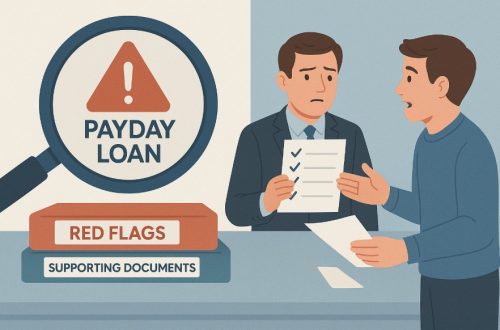
Lenders carefully review your bank statements when assessing applications. Even a small red flag can raise concerns about your financial stability, spending habits, and overall trustworthiness.
Unusual or Large Transactions
Unexpected large deposits or withdrawals, especially without context or explanation, can suggest undeclared income or financial support from others. Lenders may worry about the origin, frequency, and reliability of your funds, potentially affecting their decision.
Frequent Overdrafts or Risky Behaviour
Regular overdraft use indicates weak financial discipline or poor budgeting. Payday loans or gambling-related transactions are seen as high-risk activity, signaling instability or desperation that lenders prefer to avoid in applicants.
Unexplained or Irregular Deposits
Deposits that don’t align with your stated income, such as third-party transfers, cash gifts, or irregular payments, may require written clarification and documentation. Without context, they could be misinterpreted as suspicious or unverified income.
How to Handle Red Flags?
If any of these issues appear on your statements, be honest and proactive. Provide a clear, concise written explanation and attach relevant documents if needed. This level of transparency can help reassure lenders and improve your chances of approval.
Always review your statements in advance, being prepared helps avoid surprises and strengthens your application.
How Can Applicants Prepare Their Bank Statements for a Mortgage?

Preparation should begin at least three months before submitting a mortgage application. During this time, avoid overdrafts, reduce discretionary spending, and keep consistent income deposits.
Ensure that your rent, bills, and other financial obligations are paid on time. Clear up any bounced payments or debt issues. If possible, avoid applying for new loans or credit cards. Lenders want to see a clean and stable financial record that reflects your ability to handle a mortgage responsibly.
What Is the Ideal Timeline for Mortgage Application Preparation?
Ideally, you should start preparing at least 6 months in advance:
- Months 1-2: Analyse spending and adjust habits
- Months 3-4: Eliminate overdraft usage and settle debts
- Months 5-6: Maintain consistent income and build a savings buffer
This timeline allows you to build a credible financial profile before applying. Consistency and planning reduce the risk of issues arising during underwriting.
Can Previous Loans or Overdrafts Be Justified?
Yes, provided they’re used responsibly and well-managed. Lenders consider your repayment history, not just the presence of debt. For example, having an overdraft isn’t an automatic rejection.
However, consistent reliance on it might raise concerns. Loans that are repaid on time and within agreed terms can demonstrate financial responsibility. If questioned, be ready to explain why the loan was necessary and how it fits into your financial management strategy.
Do Different Mortgage Types Require Different Statement Periods?
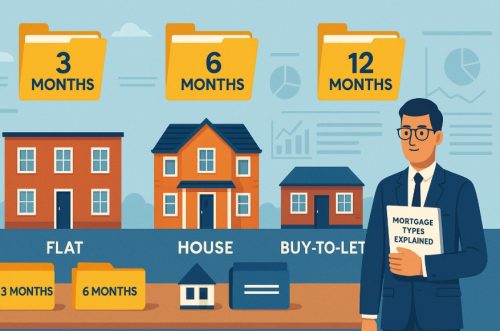
Yes, the type of mortgage you apply for can influence how far back lenders will review your bank statements. For a standard residential mortgage, most lenders typically request around three months of recent bank statements to assess your income, spending habits, and financial stability.
However, if you’re applying for a buy-to-let mortgage or have a history of bad credit, lenders often require more documentation. In these cases, it’s common to be asked for six months or more of financial records.
This extended review period allows lenders to better evaluate your financial management over time, especially if your credit history raises concerns.
Specialist mortgage providers may also request additional supporting documents, such as proof of savings or evidence of consistent rental income, to help mitigate risk.
To ensure a smooth application process, it’s always wise to confirm exact documentation requirements with your lender or mortgage broker in advance.
Conclusion
Mortgage lenders in the UK typically look back three to six months on bank statements to assess affordability, spending habits, and financial stability. However, this period may vary based on the type of mortgage and your individual circumstances.
By understanding what lenders are looking for and preparing accordingly, applicants can increase their chances of a smooth and successful mortgage process.
Clean bank records, consistent income, and controlled spending all work in your favour. Taking time to prepare your finances can make a significant difference when it comes to mortgage approval.
Frequently Asked Questions
Do All Mortgage Lenders Check Bank Statements the Same Way?
No, different lenders may have different criteria and levels of scrutiny when reviewing bank statements.
How Do Lenders Verify the Authenticity of Submitted Bank Statements?
Lenders may request digital statements directly from your bank or use verification software to detect alterations.
Can I Get a Mortgage Without Providing Bank Statements?
In most cases, no. Bank statements are a standard requirement for verifying income and spending habits.
Will My Subscription Services Affect My Mortgage Application?
Only if they significantly impact your disposable income or show poor financial management.
Are Joint Accounts Assessed Differently in Mortgage Applications?
Yes, lenders evaluate the income and expenses of both account holders when assessing joint accounts.
Can I Use Digital Bank Statements for My Application?
Yes, digital statements are accepted, especially if downloaded directly from your online banking portal.
How Long Should I Avoid Unusual Transactions Before Applying?
Aim to keep your finances steady for at least 3 to 6 months before applying for a mortgage.