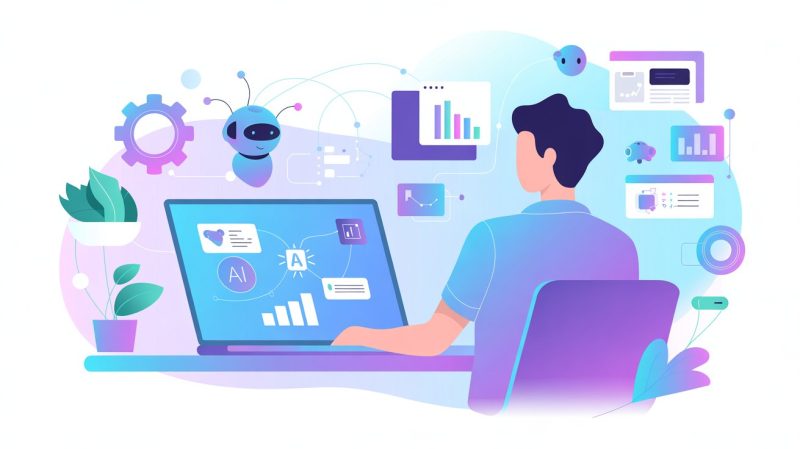
Artificial Intelligence (AI) is no longer the privilege of tech giants or large corporations. Today, small businesses across industries are harnessing AI to stay competitive, streamline operations, and drive revenue growth. From automating repetitive tasks to offering smarter customer insights, AI has become a cost-effective tool that can significantly impact a business’s bottom line.
With advancements in cloud-based tools and open-source models, small business owners now have access to AI-powered solutions that are easy to integrate and affordable to use. Whether you’re a retailer, service provider, or B2B operator, adopting AI isn’t about replacing your team, it’s about enabling them to do more, faster and smarter.
Let’s explore how your small business can leverage AI to reduce operational costs and unlock new streams of revenue.
How Can AI Help Small Businesses Reduce Operational Costs?
AI is a powerful cost-cutting tool when applied strategically. Automating process and improving decision-making allows businesses to operate more efficiently.
Automating Repetitive Tasks
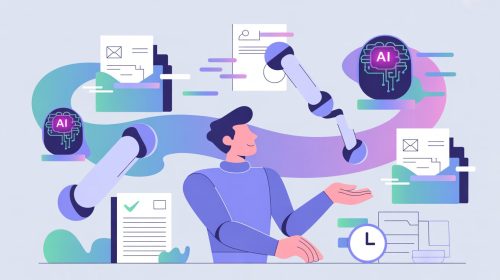
One of the most immediate benefits of AI is its ability to automate time-consuming tasks:
- Email filtering and sorting
- Invoice generation and payment reminders
- Inventory reordering alerts
- Data entry and report generation
By automating such workflows, businesses reduce human error and save on labour hours.
Enhancing Customer Service Through AI Chatbots
AI-powered chatbots can respond to customer inquiries 24/7 without requiring a live representative. These chatbots handle FAQs, guide users through your website, and even initiate support tickets when needed. The cost savings on customer service alone can be significant for businesses with growing customer bases.
What Are the Best AI Tools for Managing Business Finances?
Small business owners often struggle with cash flow management and forecasting. AI-based financial tools can help with everything from budgeting to predictive analytics.
AI Applications in Financial Planning
| AI Tool | Functionality |
| QuickBooks with AI | Automates expense categorisation, predicts cash flow |
| Xero with machine learning | Provides real-time financial insights and trends |
| Forecast | Uses historical data to generate financial projections |
These platforms learn from your past financial data and help you prepare for lean months, ensuring better cash management.
Detecting Fraud and Irregular Transactions
AI algorithms can also flag suspicious transactions or anomalies, helping businesses reduce the risk of fraud or human error in accounting processes.
How Can AI Boost Marketing ROI for Small Businesses?
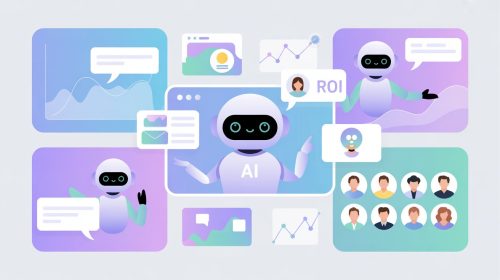
Marketing is often a budget-heavy area for small businesses, but AI can optimise it to bring better returns.
Personalised Marketing at Scale
AI tools can analyse customer data to tailor email campaigns, product recommendations, and promotions. For example, platforms like Mailchimp and HubSpot use AI to determine the best time to send emails or suggest content based on user behaviour.
AI Tools for Content Creation and SEO
AI can now assist in generating marketing copy, product descriptions, blog posts, and social media content. Tools like Jasper AI or Writesonic allow small teams to produce high-quality content without hiring large marketing teams.
Marketing Tools with AI Functionality
| Platform | AI Feature |
| Jasper AI | Writes marketing content based on brief prompts |
| Surfer SEO | Analyses top-ranking pages to improve SEO |
| Canva AI | Design graphics using user inputs |
This data-driven approach leads to better engagement, reduced content production costs, and improved conversions.
What AI Tools Are Helping Small Businesses Improve Customer Experience?
Happy customers are loyal customers. AI can enhance user experience in multiple ways, leading to repeat business and referrals.
Smart CRM Systems
AI-powered CRMs such as Salesforce and Zoho CRM automatically prioritise leads, predict customer needs, and suggest upselling or cross-selling opportunities. These insights are based on past interactions and purchase history, making your sales process more strategic.
Additional benefits include:
- Personalised follow-ups based on behavioural data
- Automated segmentation of customer lists
- Predictive scoring to highlight high-value leads
Voice and Visual Recognition Tools
Retailers and e-commerce platforms are also leveraging AI-driven voice assistants and visual recognition software to improve search and shopping experiences.
How Can Small Businesses Use AI in Day-to-Day Operations?
AI is becoming part of the daily workflow in ways that subtly but powerfully improve productivity.
AI for Scheduling and Task Management
Smart assistants like Google Assistant or Microsoft’s Cortana can schedule meetings, set reminders, or even help draft emails. Apps like Motion or Clockwise optimise team calendars and task lists using AI, ensuring that deadlines are met efficiently.
Inventory and Supply Chain Optimisation
For product-based businesses, AI predicts inventory needs, identifies supply chain bottlenecks, and recommends reorder quantities. Tools like Llamasoft or Oracle NetSuite adapt to seasonal changes and demand fluctuations, minimising overstock or stock-outs.
Which Industries Can Benefit Most from AI?
While nearly all sectors can benefit from AI, certain industries stand out due to the nature of their operations:
- Retail – AI-driven recommendation engines and personalised promotions
- Hospitality – Dynamic pricing models and automated booking systems
- Healthcare – Virtual assistants for patient management and diagnostics
- Real Estate – Predictive analysis of property values and customer leads
- Legal and Accounting – Document analysis, compliance tracking, and fraud detection
The versatility of AI means small businesses in both B2B and B2C sectors can deploy it for maximum effect.
What Are the Challenges of Implementing AI for Small Businesses?
Despite its benefits, AI adoption does come with hurdles:
- Upfront costs: Some tools may have high subscription or setup costs.
- Training requirements: Employees may need time to adapt to new systems.
- Data privacy concerns: Ensuring customer data is used ethically and securely is crucial.
To mitigate these risks, small business owners should start small, trialling free or low-cost tools and gradually scale as needed.
You can also stay updated with how other UK-based businesses are embracing innovation by visiting UK Business Times, which regularly covers tech adoption stories, case studies, and expert insights tailored for SMEs.
How Can AI Help Small Businesses Make Better Decisions?
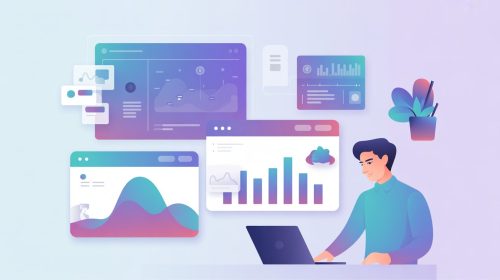
AI isn’t just about automating tasks; it’s about making smarter business decisions.
Data-Driven Forecasting
AI collects and processes large volumes of internal and external data to provide trend forecasts. This can apply to:
- Customer behaviour patterns
- Product demand projections
- Marketing campaign performance
Competitor and Market Analysis
AI tools such as Crayon or SimilarWeb allow small businesses to monitor competitors’ digital activity, pricing models, or ad strategies. This real-time insight helps you stay one step ahead in your niche.
How Can AI Enable Scalability Without Hiring More Staff?
For small teams looking to grow, AI offers a way to scale operations without proportionately increasing headcount.
AI-Driven Workflows
By automating HR, payroll, onboarding, and support systems, a small business can handle larger customer volumes and internal processes. For instance, AI-powered applicant tracking systems (ATS) like BreezyHR can filter and recommend ideal candidates, saving recruitment time.
Smart Analytics Dashboards
Using tools like Tableau with AI enhancements or Power BI with Copilot AI, managers can get instant insights without needing a data analyst. These dashboards highlight trends, anomalies, and actionable opportunities.
What Are Some Tips for Getting Started with AI?
If you’re new to AI, here’s how you can begin:
- Start with free AI tools (like ChatGPT, Canva AI, or Google Analytics AI).
- Identify one area to automate like marketing, customer support, or finance.
- Train your staff gradually and choose intuitive platforms.
- Evaluate performance regularly and scale gradually.
Conclusion
AI is a game-changer for small businesses looking to cut costs and drive growth. From marketing automation to inventory management and smarter decision-making, the benefits of AI are both immediate and long-term. By taking a strategic and phased approach, even the smallest companies can leverage the power of artificial intelligence to remain competitive in today’s fast-evolving digital economy.