

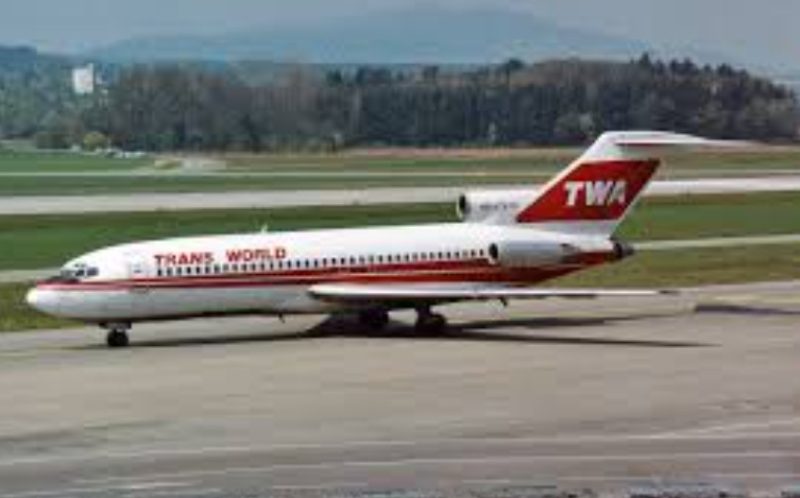
Have you ever wondered what happened to Trans World Airlines (TWA), the once-iconic airline that ruled the skies for much of the 20th century?
Known for its luxurious in-flight services and ground-breaking innovations, TWA was a pioneer in international travel and a valid symbol of the golden age of aviation.
However, despite its many achievements, TWA’s story ended in bankruptcy and closure, marking the end of an era in aviation history.
In this blog, we’ll delve into the rise and fall of TWA, explore the reasons behind its financial struggles, when did TWA go out of business, and understand the pivotal events that led to its closure in 2001.
From the airline’s luxurious beginnings to the challenges it faced in the competitive airline industry, this blog provides a detailed look at TWA’s legacy and impact.
An Overview of Trans World Airlines (TWA)
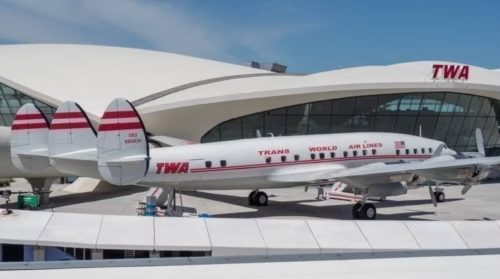
Image – Source
Trans World Airlines, commonly known as TWA, was founded on July 16, 1930, and quickly became one of the most recognisable names in the global aviation industry.
The airline emerged from a merger between Western Air Express and Transcontinental Air Transport. By offering coast-to-coast passenger flights across the United States, TWA established itself as a major player in the aviation sector.
TWA wasn’t just another airline; it was a pioneer. It was among the first airlines to introduce cabin pressurisation, making air travel more comfortable and accessible to passengers.
Additionally, the airline played a key role in expanding international travel, offering transatlantic routes that connected the United States to Europe.
During its peak, TWA operated flights to over 80 destinations worldwide, cementing its reputation as one of the most respected airlines in history.
The airline’s iconic red and white logo became synonymous with luxury and reliability. TWA was also closely associated with its innovative fleet, which included aircraft like the Lockheed Constellation and Boeing 747.
As a trailblazer in aviation, TWA set a standard for excellence, making its eventual decline all the more tragic.
Why Was Trans World Airlines (TWA) So Iconic?
TWA was more than an airline; it was a symbol of mid-20th-century glamour and sophistication. Known for innovation and exceptional customer service, it became a favourite among travellers worldwide.
Key reasons for TWA’s iconic status include:
- Revolutionizing Transatlantic Travel: TWA led the way in offering direct flights from the U.S. to Europe, transforming international travel and setting the standard for global aviation.
- Focus on Luxury: The airline redefined passenger comfort with in-flight meals, entertainment, and elegantly designed interiors, providing a first-class experience for all.
- Technological Innovation: TWA collaborated with manufacturers to develop cutting-edge aircraft like the Lockheed Constellation, capable of flying longer distances with improved fuel efficiency.
TWA’s branding also played a significant role in its legacy:
- The TWA Flight Center at JFK Airport, designed by Eero Saarinen, became an architectural icon.
- Its sleek logo and frequent appearances in films and advertisements made TWA synonymous with the golden age of air travel.
These elements combined to make TWA one of the most iconic airlines of its time.
The Rise and Fall of Trans World Airlines (TWA)

The Rise of TWA
TWA’s journey began in 1934 when William John Frye, a former stunt pilot, became its president. Frye secured Howard Hughes’ financial backing in 1938 to purchase Boeing 307 Stratoliners, propelling TWA’s growth.
During World War II, TWA supported the US military but expanded aggressively afterwards, introducing the Lockheed Constellation on transcontinental routes in 1946 and launching transatlantic service.
Rebranded as Trans World Airlines in 1950, the airline introduced nonstop New York-to-Los Angeles flights in 1953.
Throughout the 50s and 60s, TWA expanded globally, becoming the first airline to offer in-flight movies in 1961 and acquiring Hilton Hotels in 1967. By 1969, TWA surpassed Pan Am as the leading transatlantic airline and added the Boeing 747 in 1970.
The Fall of TWA
The 1978 Airline Deregulation Act increased competition and operating costs, signalling TWA’s decline. Carl Icahn’s 1985 takeover burdened TWA with debt, and selling London routes in 1991 weakened its position.
Multiple bankruptcies followed, worsened by labour disputes and a 1996 explosion that killed 230 passengers. In 2001, TWA filed for its third bankruptcy and was sold to American Airlines, marking the end of its storied legacy.
When Did TWA First Face Financial Trouble?
TWA’s financial troubles began in the late 1980s. The airline was heavily in debt due to aggressive expansion strategies and rising operational costs. Competition from low-cost carriers further eroded TWA’s market share.
Additionally, the economic downturn during this period made it difficult for the airline to attract business travellers, who were a significant source of revenue.
Another major issue was the airline’s outdated fleet. While competitors were investing in more fuel-efficient aircraft, TWA was left behind.
The high maintenance costs of its older planes added to its financial woes. The airline also struggled to adapt to the new realities of a deregulated market, which allowed smaller airlines to enter and compete.
By the late 1980s, TWA was losing millions of dollars annually. These losses set the stage for the airline’s eventual bankruptcy filings in the 1990s.
What Role Did Carl Icahn Play in TWA’s Decline?

Image – Source
Carl Icahn’s involvement with TWA is often cited as one of the key factors in the airline’s decline. Icahn acquired TWA in 1985 and implemented a series of controversial cost-cutting measures.
While some of these actions were aimed at improving the airline’s profitability, they ultimately weakened TWA’s position in the market.
One of the most damaging decisions was the implementation of the Karabu Ticket Agreement. This agreement allowed Icahn to purchase tickets at significantly discounted rates and resell them for profit.
While this was a lucrative deal for Icahn, it drained TWA’s revenue and left the airline struggling to cover its costs.
Icahn’s management style also led to strained relationships with employees and unions, resulting in frequent labour disputes. These issues, combined with the financial impact of the Karabu Ticket Agreement, contributed significantly to TWA’s decline.
How Did TWA’s Bankruptcies in 1992 and 1995 Impact the Airline?
TWA’s first bankruptcy in 1992 marked a turning point in the airline’s troubled history. Mounting debt and declining revenues forced the carrier to seek financial restructuring.
The bankruptcy proceedings led to several significant changes:
- Fleet Reductions: TWA scaled back its operations, reducing its fleet size to cut costs.
- Route Adjustments: The airline eliminated many international routes, focusing on more profitable domestic operations.
- Debt Negotiations: TWA worked with creditors to restructure its debt obligations, aiming to improve cash flow.
Despite emerging from bankruptcy in 1993, the airline’s underlying issues of rising competition, operational inefficiencies, and a weakened market position persisted, leaving it vulnerable to further challenges.
TWA’s second bankruptcy in 1995 occurred just three years after the first, demonstrating the severity of its financial problems. This filing, just three years after the first, underscored the airline’s inability to adapt to the evolving aviation industry.
TWA’s failure echoed the financial woes of other airlines, such as Eastern Air Lines, Pan American World Airways (Pan Am), and Midway, all of which faced similar struggles in the deregulated airline industry.
Key reasons for the second bankruptcy included:
- High Debt Levels: TWA was burdened with unsustainable financial obligations.
- Declining Market Share: Increased competition eroded its customer base.
- Operational Challenges: Inefficient management and labor disputes compounded its struggles.
The repeated bankruptcies highlighted TWA’s inability to achieve long-term stability, signalling the gradual decline that culminated in its eventual closure.
When Did TWA Go Out of Business?

TWA officially ceased operations on 1 December 2001, marking the end of a storied history that spanned over seven decades. The airline’s closure came after years of financial struggles and its inability to adapt to the evolving aviation industry.
In 2001, TWA was acquired by American Airlines, which absorbed most of its assets, including its aircraft, routes, and some employees.
This merger signified the end of TWA as an independent carrier but also allowed parts of its operations to continue under American Airlines’ umbrella.
The acquisition marked a significant moment in aviation history, as TWA had once been a symbol of luxury air travel and innovation.
While the TWA brand disappeared from the skies, its legacy endures, remembered for its pioneering spirit, iconic aircraft like the Lockheed Constellation, and its contributions to shaping modern air travel standards.
What Was the Impact of TWA’s Closure on the Aviation Industry?
The closure of TWA in 2001 had a significant impact on the aviation industry, marking the end of one of the most iconic legacy carriers.
TWA’s downfall highlighted the challenges traditional airlines faced in adapting to a rapidly changing market dominated by low-cost carriers and heightened competition. Key Impacts are:
Industry Adaptation
- TWA’s struggles with debt and management inefficiencies became a cautionary tale, emphasising the importance of financial stability and operational efficiency. Even renowned brands could not survive without adapting to new industry dynamics.
Market Consolidation
- The acquisition of TWA’s assets, routes, and aircraft by American Airlines allowed the latter to strengthen its position in the aviation market, further consolidating the industry.
Job Losses
- TWA’s closure led to thousands of job losses, causing significant hardship for its employees and highlighting the human cost of industry consolidation.
Ultimately, TWA’s closure underscored the need for agility and innovation in the aviation sector to remain competitive in an evolving landscape.
What Legacy Did Trans World Airlines Leave Behind?
Despite its eventual closure, Trans World Airlines left behind a legacy that continues to inspire aviation enthusiasts and industry professionals alike.
TWA was a pioneer in many aspects of air travel, from offering transatlantic flights to setting new standards for in-flight luxury and customer service. Its innovations in aviation technology and operations set the stage for the modern airline industry.
TWA’s branding and design were also iconic, with its red and white logo becoming a symbol of mid-20th-century air travel.
The airline’s terminals, such as the TWA Flight Center at JFK Airport, were architectural masterpieces that showcased its commitment to style and innovation.
Today, the TWA Hotel at JFK Airport preserves this legacy, allowing visitors to experience the glamour of TWA’s golden age.
More than anything, TWA is remembered as a symbol of the golden age of aviation. Its history serves as a reminder of the challenges and opportunities that defined the airline industry in the 20th century. TWA’s contributions to aviation remain a lasting part of its story.
Conclusion
TWA’s story reflects a journey of innovation, success, and eventual decline. From pioneering aviation advancements to struggling in a fiercely competitive market, TWA’s history highlights the challenges faced by airlines.
Despite its closure, the airline’s legacy endures through its significant contributions to the aviation industry and its lasting cultural impact.
TWA’s rise and fall serve as a reminder of the complex dynamics within the airline industry and the difficulty of maintaining success over time.
FAQs
Why did TWA become unprofitable in the 1980s?
TWA faced increasing competition, rising fuel costs, and poor management decisions, which all contributed to its financial struggles during the 1980s.
What were some of TWA’s most famous achievements?
TWA was known for pioneering transatlantic flights, introducing luxury in-flight services, and being a global leader in aviation innovation.
Can You Still Experience TWA Today?
Yes, the TWA Hotel at JFK Airport in New York preserves the airline’s legacy, offering a nostalgic experience of its iconic mid-century style.
Who was Howard Hughes, and what was his connection to TWA?
Howard Hughes was a visionary entrepreneur and one of TWA’s major shareholders. His leadership in the mid-20th century helped shape TWA into a global aviation giant.
What was the Karabu Ticket Agreement?
The Karabu Ticket Agreement, initiated by Carl Icahn, allowed discounted ticket sales that severely impacted TWA’s revenue, contributing to its financial troubles.
How did the deregulation of the airline industry affect TWA?
Deregulation in the late 1970s introduced intense competition, making it difficult for TWA to maintain its profitability and market position.
What happened to TWA’s employees after its closure?
When American Airlines acquired TWA, many employees were absorbed into American Airlines, but thousands also faced layoffs during the transition.
Featured Image – Source
Disclaimer
The images used in this blog are not owned by the UK Business Magazine, the copyrights of these images belong solely to their respective owners.