

Joint pain is a problem that directly affects the very quality of our lives. It becomes particularly worrying when you’re unsure whether that morning stiffness you might feel is a signal for something serious.
Many tend to assume that osteoarthritis (OA) affects only the elderly, dismissing the pain and assuming themselves to be too young for the condition. If you’re experiencing persistent joint pain irrespective of your age, do not ignore this warning sign.
The reality of OA is far more complex than what most age-driven assumptions would tell you. But when does this condition truly develop, and is your joint pain a symptom of early-stage osteoarthritis? Keeping these questions in mind, let us explore the truth behind osteoarthritis and age to help you make the right call at the right time.
How Are Age and Osteoarthritis Connected?
How Does Age Affect Osteoarthritis?

Osteoarthritis happens when the cartilage, the smooth tissue protecting our joints, withers away over time. The truth is that this process can begin as early as your 30s, and the likelihood only increases as we grow older.
By age 65, most X-rays tend to show evidence of OA, even in people without symptoms. This condition’s onset also differs from one joint to another.
For instance, knee osteoarthritis typically emerges between the ages of 45 and 55, affecting women more than men. On the other hand, something like hip osteoarthritis is known to develop slightly later, appearing in the 50s and 60s.
What Are the Risk Factors of Osteoarthritis Other Than Age?
Age alone does not determine if you will develop osteoarthritis. Genetics, for one, play a crucial role too. If someone in your family had OA, you may be prone to the condition too.
After that, obesity also increases the risk significantly, particularly for knee and hip joints. Each extra pound can add several more pounds worth of pressure on your joints during movement.
Previous joint injuries from sports or accidents can also trigger osteoarthritis. Lastly, occupational factors like repetitive movements or heavy lifting at work can seriously accelerate cartilage breakdown. Your biological gender’s role in the development of OA is also worth checking out.
Research says that women are more likely to develop the condition after menopause, possibly due to hormonal changes affecting the cartilage. Men, on the other hand, develop osteoarthritis earlier but at a lower rate than women.
What Are the Early Warning Signs That You Should Look Out for?
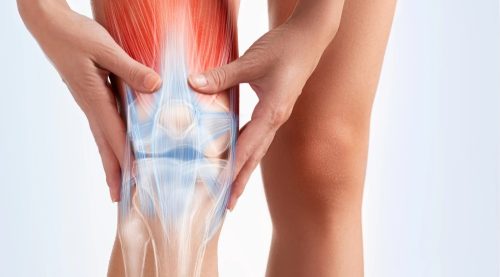
The first symptom of OA that you need to take note of is morning stiffness that lasts for nearly 30 minutes or more. Secondly, if your joint pain worsens with activity and improves with rest, you have another legitimate cause for concern.
Outside of the two significant signs, be on the lookout for any grinding or clicking sensation, lowered flexibility, and mild swelling around joints after activity. Climate, too, affects many people who develop osteoarthritis, which causes increased discomfort in humid or stormy weather.
Based on what we have established, let us take a moment to address whether joint pain leading to osteoarthritis is inevitable. Many people assume joint pain and stiffness are unavoidable parts of ageing. This is a somewhat fatalistic assumption that prevents early intervention to improve quality of life significantly.
Remember: Not everyone develops symptomatic osteoarthritis, even at an advanced age. With healthy lifestyle choices, clearance in genetics, and early attention to the matter, your joint pain will almost certainly not develop into OA.
What Are the Best Prevention Strategies for Osteoarthritis?
In the long run, your twenties and thirties are the best time to prevent osteoarthritis. Start with regular exercises that strengthen the muscles supporting your joints and maintain your cartilage health. If you struggle with joint pain already, try low-impact activities like swimming, cycling, and walking.
With exercises, try to maintain a healthy weight, as that significantly reduces the risk of OA. Even modest weight loss can substantially decrease the pressure on your joints, especially the knees.
If your job requires some repetitive movement, look up some ergonomic tools to support the work. As you enter your forties and fifties, double down on strength training and maintaining joint flexibility as natural ageing processes begin to affect the cartilage.
The common thread tying these strategies together is how early intervention often produces better outcomes over delayed treatment. So it’s also worth noting that if your joint pain refuses to go away after a few weeks, seek a professional evaluation as soon as you can. Hip pain, for instance, is a complex problem that can indicate different conditions.
To this end, a hip surgeon in London can provide special evaluation to help identify hip OA and create personalised treatment options to help you manage it.
Which Treatment Options Are the Best Across Different Age Groups?

So far, we have established the symptoms and best prevention strategies. But how does it all evolve as you grow older? For starters, physical therapy, exercise modification, and weight management often benefit younger patients more as part of a prevention strategy. These conservative approaches can significantly slow progression and reduce joint pain.
For middle-aged adults, the use of anti-inflammatory medications, if required, alongside lifestyle modifications, is the way to go. Injection therapies, too, can provide temporary relief while preserving long-term joint function during this time.
Older adults over the age of 60 also have the option to seek joint replacement if conservative measures no longer help lower the pain. It’s not a procedure to fear either, as modern surgical techniques offer excellent outcomes for most people.
Speaking of treatment options, you should also consider where to seek the treatment from. For instance, while the NHS can provide comprehensive care for OA, the waiting times for specialist appointments usually last many months.
These delays often lead to your condition worsening without any professional oversight to assist. Due to this problem, many opt for private care, which can offer faster access to specialists, diagnostic tests, and treatment options.
If you’re struggling to choose between the two paths, consider the many factors affecting OA and whether lifestyle improvements are helping with the joint pain. It’s a good place to start, and the best way to seek the right professional help for your situation.
Living Well With Osteoarthritis
If there’s one thing you definitely need to take away from this, it’s that OA or joint pain doesn’t mean accepting a diminished quality of life.
Being on top of the problem and actively managing it instead of passively accepting your fate is key here. Yes, age influences osteoarthritis development, but it doesn’t need to dictate your experience with the condition.
To that end, recognise the signs early, seek professional assistance if needed, and build an OA management routine tailored to your needs. Just take the first step, and you’ll be well on your way to regaining control over your life.