

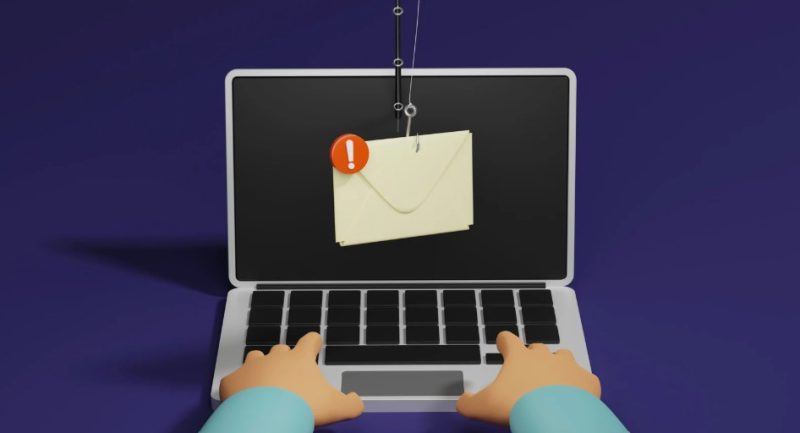
Have you ever received a text message claiming to be from Royal Mail, asking you to pay a fee for a missed delivery?
These messages can seem genuine, but they are often scams designed to steal personal information or money. In recent years, fraudulent Royal Mail texts have become increasingly common across the UK, targeting unsuspecting recipients.
These scams typically involve fake delivery notifications, payment requests, or phishing links that direct users to fraudulent websites.
With more people relying on parcel deliveries, scammers are exploiting the system to trick individuals into sharing sensitive details.
Understanding how these scams work and knowing how to protect yourself is essential to avoiding financial loss.
But how can you tell if a Royal Mail text is real or fake? What should you do if you receive a suspicious message? Let’s explore the key signs of Royal Mail text scams and how to stay safe.
What are Royal Mail Text Scams?
Royal Mail text scams are fraudulent messages sent by scammers pretending to be from Royal Mail.
These texts typically claim that a parcel is waiting for delivery, requires a small fee to be processed, or has been delayed due to unpaid charges.
The messages often include a link leading to a fake Royal Mail website designed to steal sensitive information such as bank details, passwords, or personal data.
Scammers use sophisticated techniques to make these messages appear legitimate, often mimicking the official branding of Royal Mail.
The goal is to trick recipients into believing the message is real, leading them to take action without verifying its authenticity.
These scams have increased significantly in recent years, as more people rely on online shopping and home deliveries.
Fraudsters take advantage of the high volume of parcels being shipped daily, knowing that many individuals will not question a delivery-related text. Awareness and caution are crucial in recognising and avoiding these fraudulent messages.
Why Are Royal Mail Scam Texts Becoming More Common in the UK?
Royal Mail scam texts have surged across the UK, affecting thousands of people.
Several factors contribute to their growing prevalence:
Key Reasons for the Increase
- Rise in Online Shopping: More people order goods online, making delivery scams more effective.
- Advanced Scam Techniques: Fraudsters use sophisticated methods to make their messages appear legitimate.
- Increased Data Breaches: Scammers obtain phone numbers through leaked databases.
- Lack of Awareness: Many people are still unfamiliar with how to verify scam messages.
How Scammers Target Victims?
- They send mass text messages, hoping some recipients will fall for the scam.
- Messages often contain a sense of urgency, pressuring users to act quickly.
- Fraudulent links redirect users to fake websites that steal personal details.
The rise in these scams highlights the need for stronger awareness and scam prevention measures to protect individuals from financial and personal data theft.
What Are the Common Types of Scam Messages Impersonating Royal Mail?

Scammers use a variety of deceptive tactics to trick individuals into sharing personal details or making fraudulent payments.
These messages often appear genuine, making them difficult to distinguish from real Royal Mail communications.
Below are the most common types of Royal Mail scam texts:
Fake Missed Delivery Messages
- Claim that a package could not be delivered due to unpaid fees.
- Contain a link urging users to “reschedule” the delivery.
- Use official-looking formatting and Royal Mail branding to appear credible.
Payment Request Scams
- Demand a small payment to release a parcel, often claiming it’s an unpaid customs charge.
- Use urgent language to pressure recipients into quick action.
Phishing Links for Personal Information
- Direct victims to fake Royal Mail websites asking for sensitive details.
- Often mimic official tracking pages with stolen logos and similar domain names.
Fake Refund or Compensation Offers
- Promise a refund for alleged overpaid delivery charges.
- Trick users into providing banking details under the guise of issuing a refund.
Understanding these scams can help prevent financial fraud and identity theft.
How to Recognise Royal Mail Scams?
Scam texts impersonating Royal Mail can be highly convincing, but certain warning signs can help identify fraudulent messages.
Scammers often use urgent language, suspicious links, and misleading information to pressure recipients into taking action.
Below are the key indicators of a Royal Mail scam text:
Red Flags in Scam Texts
- Unexpected Messages: Be cautious if you receive a delivery notification for a parcel you weren’t expecting.
- Urgency or Threats: Scammers often create a sense of urgency, claiming that immediate action is required.
- Suspicious Links: Check if the link differs from Royal Mail’s official website (www.royalmail.com).
- Spelling or Grammar Mistakes: Genuine Royal Mail messages are professionally written with proper grammar and spelling.
How to Verify a Royal Mail Text?
- Visit the official website: Always check Royal Mail’s site instead of clicking links in messages.
- Contact customer service: Confirm the message’s authenticity with Royal Mail before taking action.
- Use spam filters: Enable phone settings to block scam messages and protect against SMS fraud.
Being able to spot these red flags can prevent financial loss and data theft.
What Are the Risks of Falling for a Fake Royal Mail Scam?

Falling victim to a Royal Mail scam text can have severe consequences, ranging from financial loss to identity theft.
Scammers design these messages to steal money, personal details, or login credentials.
Here are the primary risks associated with these scams:
Potential Risks
- Financial Loss: Many victims unknowingly enter their banking details into fraudulent websites, leading to unauthorised transactions.
- Identity Theft: Scammers can use stolen personal information to open bank accounts or apply for credit in the victim’s name.
- Malware Installation: Clicking on a scam link may install malicious software on a device, compromising security and personal data.
- Increased Targeting: Once an individual falls for a scam, fraudsters may sell their details to other criminals, leading to further scam attempts.
To mitigate these risks, individuals should always verify messages before taking action, report scams to Action Fraud, and stay informed about the latest scam tactics. Remaining cautious can prevent severe financial and personal consequences.
How to Respond to a Suspicious Text?
If you receive a suspicious text claiming to be from Royal Mail, it is essential to act cautiously to avoid falling victim to scams.
Scammers use urgent language and misleading links to trick recipients into providing sensitive information or making payments. Recognising and handling these messages correctly can help prevent fraud.
Immediate Actions to Take
- Do Not Click on Any Links: Clicking on fraudulent links may redirect you to a fake website designed to steal personal information.
- Delete the Message: Avoid engaging with the sender, as replying can confirm that your number is active.
- Report the Scam: Forward the message to 7726, the UK’s spam reporting service, to help authorities track down scammers.
What Not to Do?
- Do not share personal or financial details, as scammers may use them for identity theft.
- Do not reply to the message, as this may lead to further scam attempts.
- Do not make payments based on text instructions without verifying the request through official Royal Mail channels.
Taking these steps helps prevent scams, protects personal data, and assists authorities in identifying fraudsters.
How to Report a Scam to Royal Mail?
Reporting scam messages plays a crucial role in combating fraud, as it enables authorities to investigate and shut down scam operations.
If you receive a fraudulent Royal Mail text, reporting it helps prevent others from becoming victims.
Royal Mail, alongside organisations like Action Fraud and Ofcom, actively monitors scam reports to identify new fraud patterns and take action against cybercriminals.
What are the Ways to Report a Scam?
- Forward the text to 7726: This is the UK’s spam reporting service, which collects scam messages and works with network providers to block fraudulent numbers.
- Email reportascam@royalmail.com: Attach screenshots of the scam text so that Royal Mail can investigate the fraudulent activity and warn other customers.
- Notify Action Fraud: The UK’s cybercrime reporting centre handles scam investigations and can guide victims on the next steps.
Reporting scam texts strengthens fraud prevention measures and helps organisations improve security strategies to protect consumers.
How to Protect Yourself from Royal Mail Text Scams?

Scammers continually refine their tactics, making it important to stay proactive in preventing fraud.
While authorities work to block scam operations, individuals can also take measures to reduce their risk of falling victim to Royal Mail text scams.
Recognising fraudulent messages and implementing safety practices can significantly enhance protection.
Effective Scam Prevention Measures
- Use SMS Spam Filters: Most smartphones allow users to block unknown and suspicious numbers, reducing scam messages.
- Verify Deliveries: Always track parcels using Royal Mail’s official website instead of clicking on links in unsolicited messages.
- Avoid Clicking Unknown Links: If a text contains a suspicious link, verify its authenticity by manually visiting www.royalmail.com.
- Stay Informed: Regularly check Royal Mail’s official scam alerts page and government fraud warnings to stay updated on new scam tactics.
Remaining cautious, verifying messages before taking action, and spreading awareness among friends and family can help reduce the success of these scams.
Can Royal Mail Refund Money Lost to Scammers?
Royal Mail does not issue refunds for money lost to scammers because these fraudulent activities are carried out by third-party cybercriminals.
Since the scams do not originate from Royal Mail itself, they are not responsible for financial losses incurred by victims. However, there are steps individuals can take to attempt recovery of lost funds.
Victims should immediately contact their bank to report the fraud and request a chargeback if a payment has been made.
Many UK banks have fraud protection policies and may be able to reverse the transaction if reported quickly. Additionally, filing a report with Action Fraud can help authorities track down cybercriminals and potentially prevent further scams.
Taking preventive measures, such as verifying messages and using two-factor authentication for online payments, can reduce the risk of financial loss.
While refunds are not guaranteed, timely action increases the chances of recovering lost funds.
How Are Authorities and Companies Fighting These Scams?

Authorities and companies in the UK are actively working to combat Royal Mail text scams. Government agencies, cybersecurity firms, and telecom providers are collaborating to prevent fraudulent messages from reaching the public.
Steps Taken by Authorities
- Action Fraud Investigations: The UK’s national fraud reporting centre tracks scam reports and works with law enforcement to identify scammers.
- New Legislation: Laws against digital fraud are being strengthened to hold cybercriminals accountable.
- Public Awareness Campaigns: The government and Royal Mail regularly educate consumers about scam prevention.
Efforts by Companies and Service Providers
- Royal Mail Scam Alerts: Royal Mail publishes real-time updates on known scams and how to avoid them.
- Network Provider Protections: Telecom companies are implementing SMS filtering technology to block fraudulent messages.
- AI-Based Scam Detection: Advanced machine learning tools help identify and block suspicious messages before they reach users.
Despite these efforts, scams continue to evolve. Staying informed and reporting scams remain the most effective ways to fight back.
Future of Text Scams: Will They Ever Be Stopped?
As technology advances, fraud prevention measures are improving, but scammers are also adapting their tactics.
With the rise of AI-powered scams and more sophisticated phishing techniques, completely eliminating text scams remains a challenge.
Authorities are developing stricter regulations, and companies are using AI-driven security tools to detect and block fraudulent messages.
Increased public awareness and improved scam-reporting mechanisms are also making it harder for fraudsters to succeed.
While text scams may never be fully eradicated, ongoing efforts from both individuals and organisations will help reduce their impact.
By staying alert, verifying messages, and reporting suspicious texts, consumers can contribute to making these scams less effective.
Conclusion
Royal Mail text scams continue to pose a significant threat to UK consumers. Scammers are constantly refining their tactics, making it crucial for individuals to stay informed and cautious.
By recognising scam messages, avoiding suspicious links, and reporting fraudulent texts, people can protect themselves from financial loss and identity theft.
As authorities and technology companies improve fraud detection measures, awareness remains the best tool in preventing scams.
Staying vigilant and spreading awareness can help reduce the success of these scams and safeguard individuals from falling victim to fraudsters.
FAQs About Royal Mail Text Scams
Can scammers send fake tracking links that look real?
Yes, scammers can create fake tracking links that closely resemble Royal Mail’s official website. Always visit www.royalmail.com directly to verify tracking details.
How do fraudsters get phone numbers for these scams?
Fraudsters obtain phone numbers from leaked databases, data breaches, or by randomly generating numbers. They often buy contact lists from the dark web or illegal sources.
What happens if I accidentally enter my details on a phishing site?
Immediately contact your bank, change any affected passwords, and monitor your accounts for suspicious activity. Report the scam to Action Fraud to help authorities track the fraudsters.
Are there any official sources where I can verify a real delivery message?
Yes, you can verify all Royal Mail communications by visiting their official website or checking their scam alerts page. Avoid clicking on links from unknown senders.
Can blocking unknown numbers help prevent scam texts?
Blocking unknown numbers can reduce spam, but scammers frequently change numbers. Enabling spam filters and reporting scam texts to 7726 is a more effective approach.
What legal actions are being taken against SMS fraud in the UK?
UK authorities are introducing stricter anti-fraud laws, shutting down scam networks, and working with telecom providers to block suspicious messages at the source.
Are Royal Mail scams more common during busy shopping seasons?
Yes, scam texts increase during peak shopping periods like Christmas and Black Friday when more people expect deliveries. Always verify messages before taking action.