
Pubs across the UK are facing an existential threat, not from dwindling customers or post-Covid fatigue, but from sharp increases in tax obligations.
New fiscal policies introduced by the government, spearheaded by Chancellor Rachel Reeves, have left many landlords making the heartbreaking decision to cut hours, lay off staff, or shut down completely.
With National Insurance hikes, reduced business rate relief, and increased minimum wages, the traditional British pub is under siege.
This blog explores the many dimensions of pub closures due to tax increases and the implications for businesses, workers, and communities.
Why Are Pubs Closing Earlier Than Before?
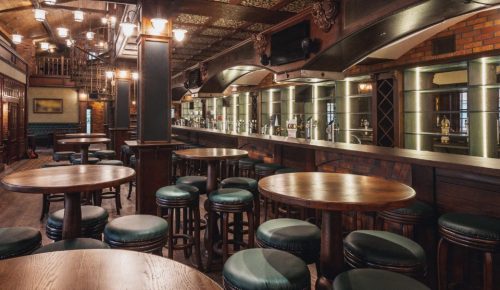
In recent months, many pubs have reduced operating hours, calling last orders as early as 9pm. The move comes as an urgent cost-cutting measure in response to surging operational expenses.
Several landlords report that staying open late no longer makes financial sense. Higher wages and Employer National Insurance contributions mean every extra hour open comes with higher costs.
By closing earlier, owners reduce the need for additional staffing and lower their energy consumption, both critical in the face of increased outgoings. Weekday kitchen hours have also shortened, with some now closing by 8pm.
The shift isn’t just financial, it’s also cultural, redefining what a typical night at the pub looks like.
How Are Employers’ National Insurance Changes Affecting Pubs?
The most impactful change has been the reduction of the Employer National Insurance threshold from £9,100 to £5,000.
This means businesses must now pay contributions for more of their employees, including part-timers, commonly employed in the hospitality sector.
Impacts Include
- Employers now pay NI on lower-income staff
- Increased wage costs for younger, less experienced workers
- Redundancies due to unaffordable payrolls
For example, one pub group in Kent is facing £400,000 in extra NI contributions annually. Another, operating in the South East, reported an increase of £190,000. These figures have forced even long-established publicans to reassess staffing models and viability.
Is Business Rates Relief Still Helping the Hospitality Sector?

The government’s decision to slash business rates relief from 75% to 40% in England has amplified the financial pressure.
Previously, many small and medium-sized pubs could rely on this relief to offset fixed property-related costs.
| Year | Business Rate Relief | Effective Burden on Pubs |
| 2023 | 75% | Low |
| 2024 | 40% | Significantly Higher |
With fixed lease agreements and rising rents, business rate increases are eating into already-thin margins.
In Scotland and Wales, similar changes are occurring, although at slightly different rates. CAMRA has highlighted that over 1,000 pubs shut down in 2024 alone. The fear is that this number will grow rapidly in 2025 under the new tax regime.
How Are Minimum Wage Increases Contributing to the Crisis?
- Minimum wage has risen by 6.7%
- Overall increase since 2019 now totals 49%
- Employers must pay more without seeing higher productivity
Business owners report a squeeze between wanting to pay fair wages and being unable to sustain operations under the new costs.
Previously, hiring younger or part-time staff offered a cost-effective solution, even if those workers required training. Now, the wage differential has narrowed, but the cost of onboarding and training remains.
Consequently, more pubs are now opting for older, more experienced staff despite the shift in employment dynamics, further isolating younger jobseekers and first-time workers.
What Measures Are Landlords Taking to Stay Afloat?

Landlords have responded to tax hikes with a mix of short-term measures aimed at survival. While these steps may help balance the books, they also erode the social value that pubs provide.
Key Actions Include
- Closing early on weekdays to reduce staff and utility costs
- Reducing kitchen hours and streamlining menus
- Increasing prices by 10–30p per pint
- Making staff redundant to cut payroll obligations
Mark Powell of The Mermaid highlighted how these decisions impact community life. For instance, older patrons who rely on lunchtime visits for social interaction are now left out, as the pub only opens from 3pm. That shift has hurt loyal customer bases and reduced the essence of community pubs.
What Impact Is the Tax Increase Having on Community and Culture?
Pubs have historically served as the social glue of British towns and cities. More than just places for a drink, they offer communal spaces for live music, meetups, charity events, and grassroots culture.
But the recent tax burdens are stripping away these layers. Venues like The Horn, a grassroots music pub, now face £40,000 in additional annual costs.
As fewer bands tour smaller venues due to rising costs, communities lose exposure to local music, which in turn affects artists trying to break through.
This cultural loss isn’t just emotional, it’s economic. Fewer events mean fewer customers, which leads to further revenue loss and eventually closure. Without strategic intervention, the very character of high streets is at risk.
Could Al-Fresco Dining and Later Openings Help?
There’s a growing push for councils to support pubs with flexible options like al-fresco dining and extended opening hours, especially in the summer.
Suggested Benefits
- Outdoor seating increases revenue potential
- Longer hours boost night-time economy
- Encourages tourism and urban vibrancy
London Mayor Sadiq Khan is leading calls to grant local councils authority to approve such measures. However, bureaucratic hurdles and opposition from residents make implementation difficult.
There’s also the issue of timing, many venues need help now, not after lengthy consultations or legal changes. Until such policies are fast-tracked, they remain an aspiration, not a solution.
What Long-Term Solutions Are Being Proposed?
Both business leaders and consumer groups are calling for sustainable reforms to save pubs from extinction. Their proposals include:
Key Demands
- Reconsider Employer NI contributions for hospitality
- Cut VAT and duty on draught beer and cider
- Replace business rates with a more equitable system
- Offer targeted grants or energy support
CAMRA has been vocal in its lobbying efforts, stating that without prompt action, closures will only accelerate. Many believe the government must act by the Autumn Budget at the latest to prevent irreversible damage to the pub landscape.
Conclusion
The rising wave of pub closures due to tax increases is more than a fiscal issue, it’s a cultural and community crisis.
From National Insurance hikes to reduced business relief and minimum wage pressures, every policy shift is pushing independent pubs closer to the edge.
Landlords are doing what they can, cutting hours, raising prices, laying off staff, but the strain is becoming unbearable for many. If these places disappear, they won’t be easily replaced.
Pubs are more than businesses; they are a part of the UK’s identity. Unless urgent measures are taken to ease the tax burden, the iconic British pub could become a relic of the past rather than a thriving part of its present.
FAQs About Pub Closures Due to Tax Increase
Why are pubs closing early in the UK?
Due to tax hikes, landlords are shutting earlier to save on staffing and utility costs, especially during quieter weekday evenings.
What tax changes are affecting pubs?
Employer National Insurance increases and reduced business rate relief are driving up costs across the entire hospitality sector.
How much have National Insurance costs risen?
Some landlords report up to £400,000 annually in added NI expenses, putting unsustainable pressure on business operations.
Is minimum wage impacting pub viability?
Yes, a 6.7% increase means higher payroll with no additional revenue support, impacting hiring decisions and staffing levels.
Are small pubs more affected than large chains?
Yes, smaller pubs rely more on relief schemes and part-time staff, making them more vulnerable to sudden tax changes.
What cultural losses come with pub closures?
Community interaction, grassroots music, and local events are diminished or lost entirely, weakening local ties and tradition.
What solutions are industry leaders proposing?
Lower VAT, fairer business rates, and NI relief for pubs are the top suggestions to sustain long-term pub viability.