Have you ever wondered what happens to your family’s finances when the second parent passes away? For many families in the UK, this is a question that brings confusion, anxiety, and urgent financial decisions.
Inheritance tax (IHT) can significantly affect the assets you receive, including family homes, savings, and valuables. This guide will help you understand inheritance tax rules in 2025, what exemptions are available, how to minimise liabilities, and why proactive estate planning matters.
By the end, you’ll be equipped with the knowledge to navigate this sensitive topic confidently and protect your loved ones’ inheritance.
What Is Inheritance Tax and When Does It Apply?

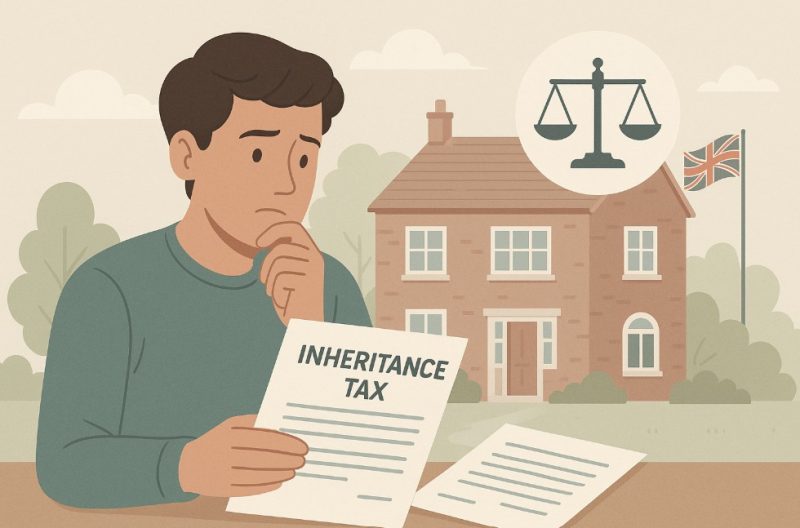
Inheritance tax is a tax levied on the estate, the money, property, and possessions of someone who has died. In the UK, this tax only applies if the total value of the estate exceeds the nil-rate band, which is currently set at £325,000.
Any amount above this threshold is typically taxed at 40%. However, there are important allowances and exemptions, such as the residence nil-rate band of £175,000 when passing on a main home to direct descendants.
You won’t usually pay inheritance tax if you leave everything to your spouse, civil partner, or charity. But if your estate includes property, investments, or savings over the threshold, your executors must calculate and pay tax before distributing assets. Understanding when IHT applies is the first step in protecting your family’s future.
What Happens to Inheritance Tax When the Second Parent Dies?
When the second parent dies, the estate’s total value is assessed, and inheritance tax is calculated based on the combined thresholds.
While the first parent’s estate often passes tax-free to the surviving spouse, the second death triggers tax on the entire estate, minus allowances.
Key things that happen:
- Combined nil-rate band: If unused, the first parent’s £325,000 allowance transfers to the second parent, doubling the tax-free threshold to £650,000.
- Residence nil-rate band: An additional £175,000 per person applies if the family home is left to children or grandchildren.
- Maximum exemption: Couples may pass on up to £1 million tax-free with both allowances.
Properly managing these allowances reduces the tax burden. If no planning is done, beneficiaries may face unnecessary costs, sometimes forcing the sale of family homes or assets.
How Does the Nil Rate Band Apply?
The nil-rate band is the amount of an estate that is exempt from inheritance tax. For individuals, it stands at £325,000.
For married couples or civil partners, any unused portion from the first spouse can transfer to the second spouse’s estate upon death, effectively doubling the allowance to £650,000. However, this transfer is not automatic; the executor must claim it when submitting the IHT paperwork.
To fully benefit, the executor must also apply the residence nil-rate band, which provides an extra £175,000 per person when passing on the main home. This can bring the total combined tax-free threshold to £1 million, shielding most family homes from tax.
How Much Can You Inherit Without Paying Taxes in the UK?

In 2025, you can inherit up to £325,000 tax-free as an individual under the nil-rate band. Married couples can pass on up to £650,000 when combining allowances, and with the residence nil-rate band, the threshold rises to £1 million if the estate includes a main residence left to direct descendants.
Here’s a table summarising:
| Scenario | Tax-Free Threshold |
| Single individual | £325,000 |
| Married couple (combined nil-rate band) | £650,000 |
| Married couple with residence nil-rate band | £1,000,000 |
Any amount over these thresholds is taxed at 40%. For example, if the estate is valued at £1.2 million, £200,000 would be subject to tax, leading to a £80,000 tax bill. Knowing these figures helps beneficiaries plan ahead and understand their liabilities.
Who Pays the Tax – Estate or Beneficiary?
Inheritance tax is typically paid out of the estate before assets are distributed. The executor, or administrator if there’s no will, handles this responsibility.
They calculate the total estate value, apply allowances, and submit the necessary forms to HMRC. Beneficiaries usually do not pay inheritance tax on what they receive.
However, they may face taxes on income generated from inherited assets, like rental income from a property or dividends from investments. Proper estate administration ensures tax obligations are met before the inheritance reaches you, reducing personal liabilities later.
Do Beneficiaries Have to Pay Inheritance Tax Directly?
Generally, no, beneficiaries do not pay inheritance tax directly. The estate pays IHT before distributing assets.
However, if you receive gifts made within seven years of the deceased’s death that exceed the £325,000 threshold, you might face tax under the seven-year rule.
Additionally, if you inherit income-generating assets, you may be liable for income or capital gains tax. Always check with a tax advisor if you’re unsure.
How and When Do You Pay Inheritance Tax?

Paying inheritance tax can feel overwhelming, but understanding the timeline helps. Here’s what you need to know:
Payment Deadline
Inheritance tax is usually due within six months of the date of death. Failing to pay on time can result in interest charges and penalties from HMRC.
Payment Methods
- Lump sum: Pay the full tax bill using the estate’s liquid assets, such as bank accounts or investment funds.
- Instalments: For illiquid assets, like property or businesses, HMRC allows payment in ten equal yearly instalments.
- Inheritance tax loan: Beneficiaries may take a probate loan if there’s not enough cash available upfront.
Required Forms
- IHT205: For simpler estates under the nil-rate band.
- IHT400: For estates over the threshold or involving trusts or gifts.
Timely, accurate paperwork is critical to avoid probate delays and to secure smooth transfer of assets.
How to Avoid Inheritance Tax When the Second Parent Dies?
There are several smart ways to reduce or avoid inheritance tax when the second parent passes:
- Lifetime gifts: Gifts made more than seven years before death are usually tax-free.
- Trusts: Place assets into a trust to reduce the size of the taxable estate.
- Annual gift allowances: Use the £3,000 per year exemption or small gifts up to £250 per recipient.
- Charitable donations: Leaving at least 10% of the estate to charity reduces the overall IHT rate to 36%.
- Life insurance in trust: Provides a tax-free payout to cover inheritance tax bills.
Proper planning, ideally with professional help, ensures you use all available reliefs to protect family wealth and avoid unnecessary tax burdens.
What Is the Probate Process in the UK for Inherited Estates?

Probate is the legal process of managing and distributing a deceased person’s estate. When the second parent dies, probate is often required, especially if assets were jointly owned or exceed £5,000 in value.
The executor must:
- Value all assets, including property, savings, and possessions.
- Report the value of assets and any debts to HMRC.
- Pay inheritance tax and settle any outstanding bills.
- Apply for a grant of probate to gain legal authority.
- Distribute assets according to the will or, if no will exists, intestacy laws.
Accurate valuations, such as using a RICS surveyor for property, ensure correct tax calculation and smooth probate completion.
Why Is Estate Planning Crucial Before the Second Parent Passes?
Estate planning ensures your family maximises tax benefits and avoids unnecessary hardship. Here’s why it matters:
- Preserve allowances: Make sure the first parent’s unused nil-rate band is properly documented.
- Avoid intestacy: Without a will, assets may be distributed inefficiently.
- Plan lifetime gifts: Reduce estate size ahead of time.
- Set up trusts: Protect specific assets for children or grandchildren.
- Organise paperwork: Keep wills, property deeds, and financial records in order.
A solid estate plan saves thousands in tax and shields families from stress at an already difficult time.
Conclusion
Dealing with inheritance tax when the second parent dies can feel overwhelming, but it doesn’t have to be. By understanding the thresholds, allowances, and planning strategies, you can protect your family’s future and minimise tax liabilities.
Proactive steps like making a will, exploring lifetime gifts, or seeking expert advice can make all the difference.
Remember, the sooner you prepare, the more options you have to safeguard your loved ones’ inheritance. Take the time now to plan wisely, your family will thank you later.
FAQs About Inheritance Tax When Second Parent Dies
Are charitable donations fully exempt from inheritance tax?
Yes, gifts to UK-registered charities are exempt from inheritance tax and can also reduce the estate’s overall tax rate.
How does taper relief reduce inheritance tax on gifts?
Taper relief reduces the tax on gifts made three to seven years before death, lowering the tax rate the longer the giver survives.
What is the difference between inheritance tax and capital gains tax?
Inheritance tax applies to the estate after death, while capital gains tax applies to profits from selling assets during a person’s lifetime.
Can you avoid inheritance tax by giving away your home?
Yes, but only if you move out or pay market-rate rent; otherwise, it’s considered a gift with reservation and taxed.
Do overseas assets count towards UK inheritance tax?
Yes, if you are UK-domiciled, your worldwide assets are included in the estate for inheritance tax purposes.
How long does the HMRC inheritance tax process take?
It typically takes six to twelve months, depending on the estate’s complexity and whether all documents are in order.
Can life insurance be used to cover inheritance tax bills?
Yes, if the policy is written in trust, it can provide a tax-free payout specifically to cover inheritance tax costs.