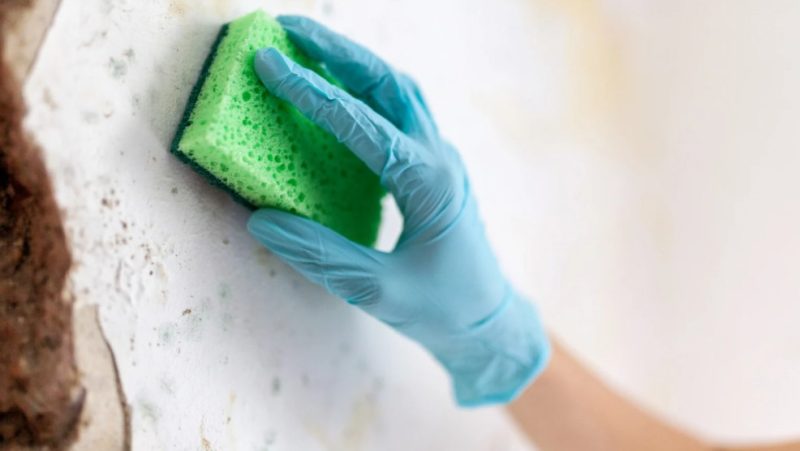
Mould is a major problem for buildings, and commercial spaces are no exception. It can cause health risks by negatively affecting indoor air quality, which can trigger allergic reactions and cause respiratory issues, while also causing long term damage to the structure of a commercial building.
You need to ensure that you are providing a safe and healthy working environment for relevant tenants and employees. A mouldy building can strike a blow to your reputation, particularly if it’s one in the healthcare or hospitality sector.
Fortunately, we have some methods you can implement to prevent mould forming in your commercial building.
How to Prevent Mould in Commercial Buildings Effectively?
Control Moisture
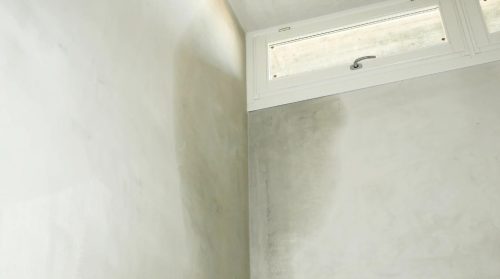
Mould needs moisture to grow, so keeping a lid on the latter will certainly help you prevent mould forming and spreading around your building.
Make sure that any leaks are fixed as soon as possible. For example, repair any plumbing, roofing, or HVAC leaks to stop moisture entering the commercial building.
In areas prone to damp, such as kitchen or bathroom spaces and basements, apply waterproof membranes or coatings which prevent water from penetrating building surfaces.
You can use professional commercial sealants to apply mould-resistant sealants such as silicone around windows, sinks, joints, and gaps, blocking moisture entering through small openings.
Frequent Cleaning and Inspections
Regular cleaning and inspections help you to identify mould quickly, therefore mitigating its impact. Wear protective gear and use mild detergent to clean damp areas of your commercial building once a week.
Remove and replace porous materials like carpets, ceiling tiles and drywall if you can see mould, as it can grow further inside them.
After cleaning, make sure to thoroughly dry the area using dehumidifiers to stop mould from returning.
Complete detailed inspections every three months and check any high-risk spots on a monthly basis. Check for mould, water stains, peeling paints, and musty odours.
Check for any leaks and make sure they’re fixed promptly. Inspect HVAC filters every month or so.
Use Effective Ventilation
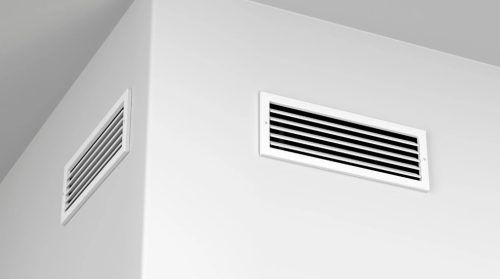
Effective ventilation in commercial buildings prevents mould by controlling humidity, reducing condensation, and improving overall air quality.
What to do:
- Install and maintain systems that provide fresh outdoor air.
- Follow ASHRAE standards for required ventilation rates based on building use and occupancy.
- Install exhaust fans in bathrooms, kitchens, and basements and ensure they vent outside and not into ceiling cavities.
- Make sure that the HVAC system maintains even air distribution throughout the building.
Utilise Smart Sensors
Smart sensors are connected devices that effectively monitor environmental conditions, such as humidity and temperature, in real time. They help you spot invisible signs of mould risk in your commercial building very early.
They provide 24/7 monitoring to track any environmental changes even when the building is empty.
Remember to:
- Install the smart sensors in areas that are prone to damp or poorly ventilated.
- Set thresholds and get alerts when humidity consistently exceeds a safe level, such as 60%.
- Use the data to identify trends, support maintenance decisions, and follow rules and standards.
Conclusion
While mould is an issue for commercial buildings, it can be prevented and kept at bay through the utilisation of these methods.
This will help keep tenants and employees happy, while also ensuring you’re meeting any regulatory building health standards.