

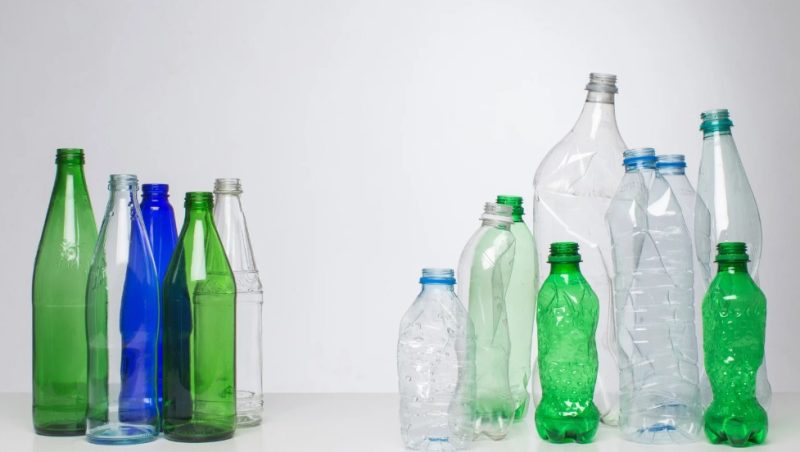
Packaging plays a vital role in protecting products, maintaining their quality, and influencing consumer choices. Among the many materials available, glass and plastic are two of the most commonly used packaging options. But how do they differ? And what should you consider when choosing between them?
Let’s break down the differences between glass packaging and plastic packaging, helping you understand their properties, uses, advantages, and drawbacks.
Material Composition
- Glass: Glass is made by melting sand with soda ash and limestone at high temperatures. The result is a rigid, transparent, non-porous material that has been used in packaging for centuries.
- Plastic: Plastic is derived from polymers, which are typically made from petroleum-based compounds. It’s more versatile than glass, offering a range of flexibility, durability, and transparency depending on the type of plastic (e.g., PET, HDPE, LDPE).
Glass vs Plastic Packaging : Key Differences
1. Environmental Impact

Glass:
Glass is environmentally friendly in many ways. It is 100% recyclable, meaning it can be melted down and reused indefinitely without losing quality or purity. Additionally, it’s free from harmful toxins that might leach into products.
However, the production process is energy-intensive and generates a higher carbon footprint due to the heavy weight during transportation.
Plastic:
Plastic is lightweight and requires less energy to produce, making its carbon footprint lower in some cases. However, it does pose environmental challenges. Single-use plastic has contributed to global waste problems, with millions of tons ending up in oceans and landfills each year.
Recycling options vary depending on the type of plastic, and even when recycled, plastics degrade over time and cannot be reused indefinitely.
2. Durability and Strength
Glass:
Glass is strong and non-reactive, maintaining product purity. However, it’s also brittle and prone to shattering under impact, which can limit its use in certain environments, like high-traffic retail spaces or when shipping over long distances.
Plastic:
Plastic is highly durable and resistant to impact, making it ideal for scenarios that require flexibility, such as transport or outdoor use. That said, over time, plastics can degrade when exposed to UV light or extreme temperatures, leading to reduced performance.
3. Product Safety

Glass:
Glass is inert, meaning it doesn’t interact with the contents stored inside it. This makes it an excellent choice for food, beverages, and cosmetics, ensuring there’s no risk of chemical contamination.
Plastic:
Some plastics may leach chemicals like BPA (Bisphenol A) into products, particularly when exposed to heat. However, many manufacturers now offer BPA-free options designed specifically to avoid these issues, making plastic safer for food and drink packaging.
4. Aesthetic and Consumer Appeal
Glass:
Glass exudes a premium and timeless appeal, often associated with quality and luxury. Products packaged in glass are perceived as more environmentally responsible, which can strengthen consumer trust and loyalty.
Plastic:
Plastic, while more functional and practical, does not have the same high-end feel as glass. It is, however, a more versatile material that allows creative shapes, colours, and designs for packaging, catering to wide-ranging consumer preferences.
5. Cost and Efficiency

Glass:
Producing and transporting glass can be more expensive due to its weight and manufacturing complexity. Industries that rely on cost efficiency may find glass less practical.
Plastic:
Plastic is generally cheaper to manufacture and transport due to its lightweight nature. This affordability is a major reason why plastic dominates mass-production industries.
When to Use Glass vs. Plastic Packaging?
Glass;
- Ideal for food and beverages prone to contamination (e.g., jams, sauces, wine).
- Preferred for high-end products where aesthetics and brand image matter.
- Better suited for businesses aiming to promote sustainable practices.
Plastic:
- Best for lightweight, portable items (e.g., bottled water).
- Essential for industries focused on cost-effective production.
- Suitable for flexible or squeezable packaging needs, such as lotion bottles or ketchup containers.
Final Thoughts
The choice between glass and plastic packaging depends on your product requirements, audience preferences, and sustainability goals. While glass delivers durability, aesthetics, and eco-friendliness, plastic offers practicality, cost efficiency, and versatility.
Looking to make the switch or find an eco-conscious solution? Understanding these differences can ensure your packaging aligns with your brand values and operational needs.